Health Information: Easy Guides on Drugs, Diseases & Supplements
Welcome to the hub where you can get straight‑forward answers about the meds you take, the illnesses you face, and the supplements you consider. No jargon, no fluff – just the facts you need to feel confident about your health choices.
Why Reliable Health Info Matters
Ever Googled a symptom and ended up more confused than before? That happens when sources mix opinion with fact. Getting the right info can mean the difference between a safe recovery and an avoidable side‑effect. We pull together data from trusted medical bodies, clinical guidelines and real‑world experience so you can focus on what matters: staying healthy.
When you know how a drug works, its common side effects, and the best way to take it, you’re less likely to miss a dose or run into trouble. The same goes for diseases – early detection and proper treatment plans save time, money, and stress.
What You’ll Find on Our Site
Our articles break down complex topics into bite‑size pieces. Want to know if buying a generic antibiotic online is safe? We show you the steps to verify a pharmacy, what to look for on the label, and cheaper alternatives if price is a concern. Curious about how Crohn’s disease affects fertility? We list the risks, safe medications during pregnancy, and practical checklists to help you plan.
For supplement lovers, we dive into plants like rue (Ruta graveolens) or strophanthus, explaining real benefits, dosage limits, and possible interactions with prescription meds. Each guide ends with a quick “what to watch out for” list so you can act with confidence.
We also cover everyday questions: how to taper prednisolone without gaining weight, why certain drugs affect driving, or which online pharmacies meet UK safety standards. If a topic isn’t listed, just use the search bar – chances are we have a page that matches your query.
All content is written by health‑savvy writers and reviewed by qualified professionals. That means you’re reading vetted information, not a random forum post. We keep each article up to date, so if guidelines change in 2025, you’ll see the latest numbers and recommendations.
In short, think of this page as your personal health cheat‑sheet. When you need a quick fact, a deeper dive, or a safe buying guide, just click through. Your body, your meds, your supplements – all backed by clear, reliable info.
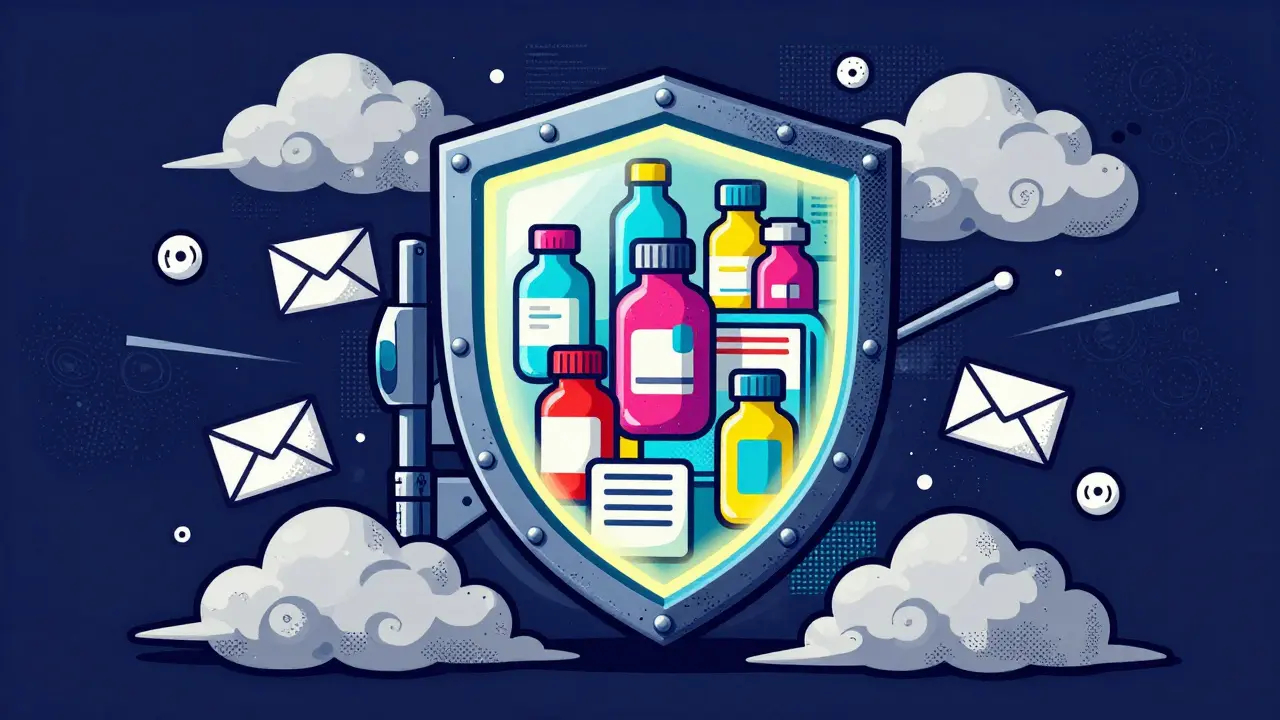
Learn safe ways to discuss medications through encrypted channels designed for patient-provider communication. Covers setup steps, message crafting tips, and platform comparisons.
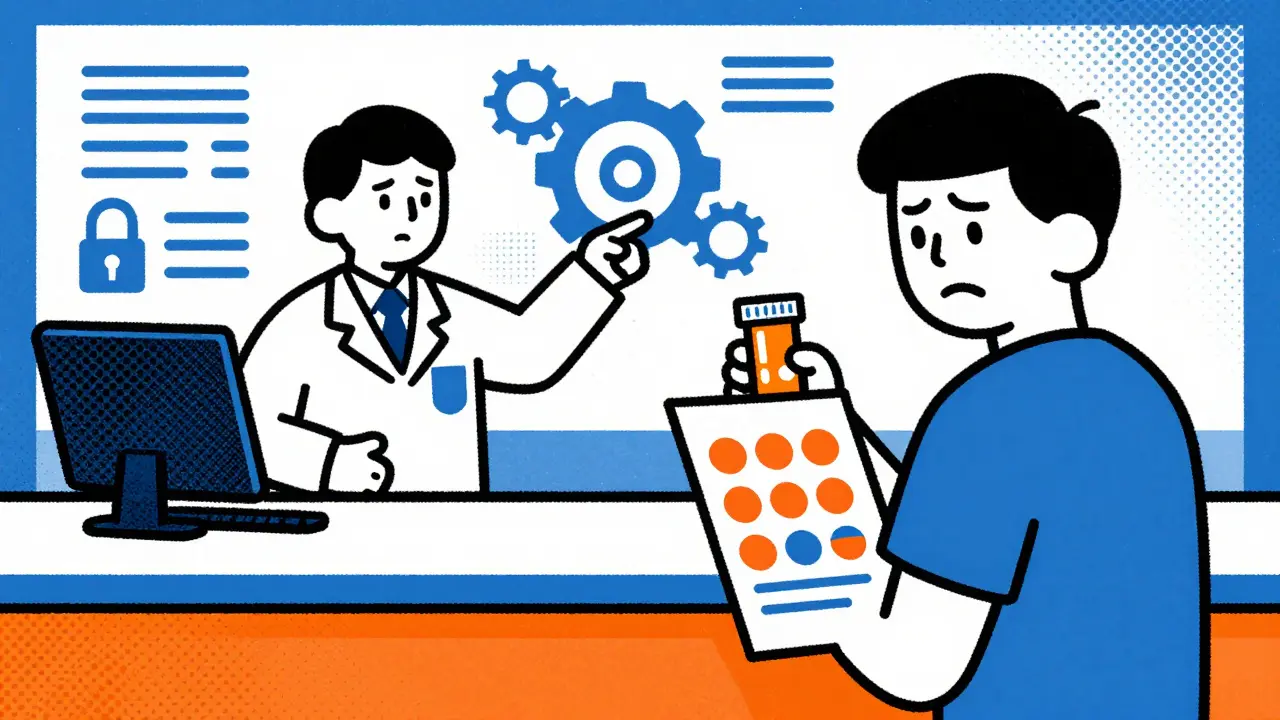
Discover why insurance companies increasingly require approval for generic drugs. Learn how the process impacts your treatment delays, costs, and what recent 2026 reforms mean for patients.

Explore the side effects of tricyclic antidepressants like amitriptyline and nortriptyline. Learn about common risks, management tips, and comparisons to modern treatments.
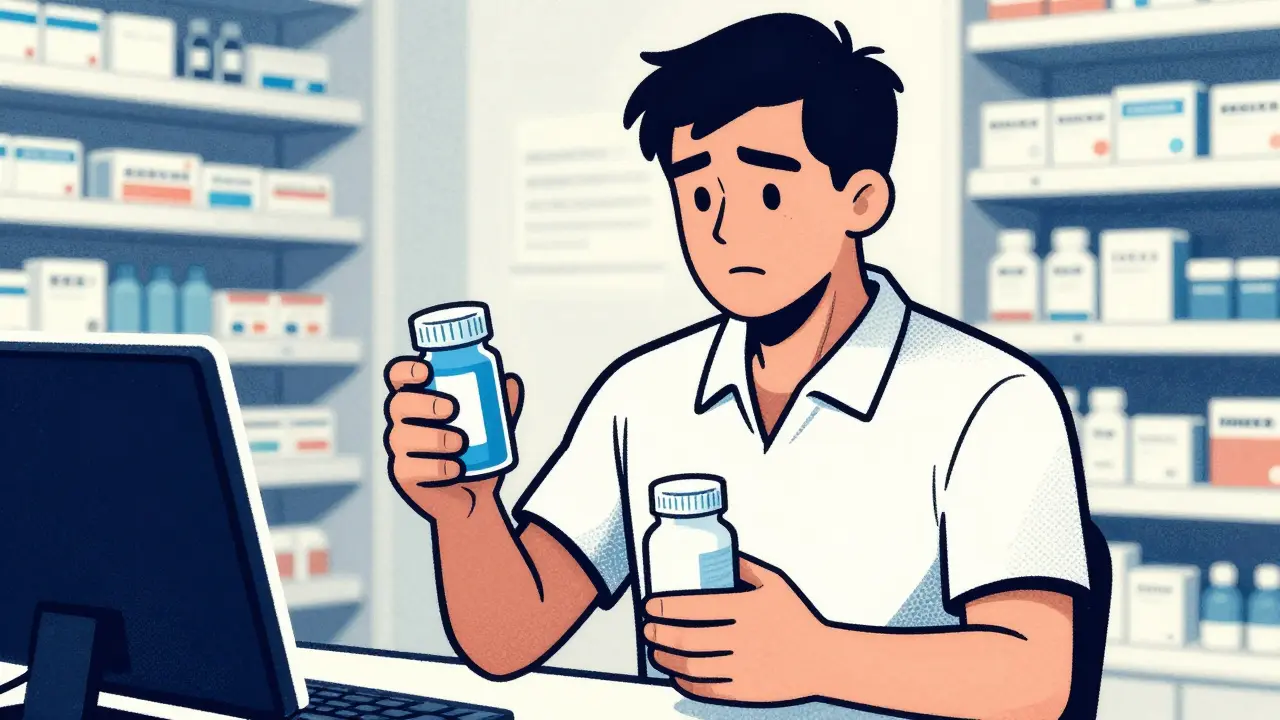
Explore what bioequivalent medications mean for your health. Learn how generic drugs are tested, the FDA standards involved, and when you should be cautious about switching brands.
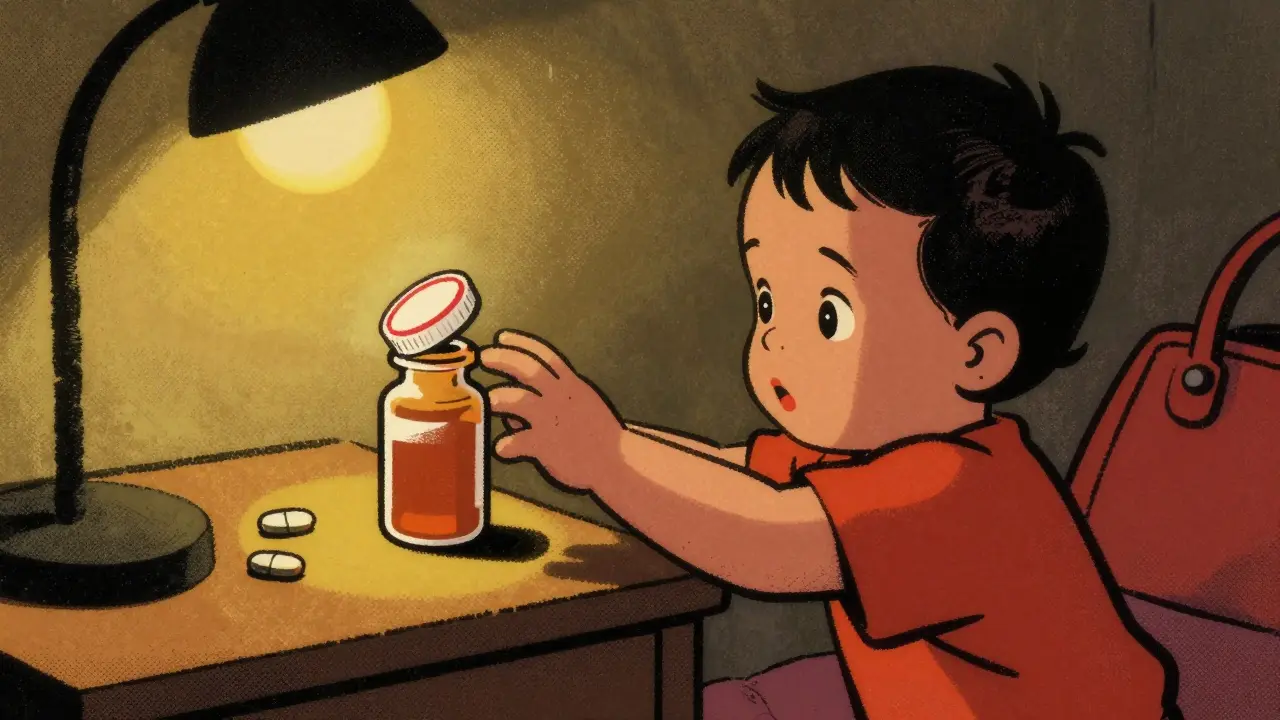
Child-resistant containers and medication safety caps are designed to prevent young children from opening medicine bottles. Learn how they work, why they sometimes fail, and what you can do to keep kids safe - even when the cap seems secure.

Learn where to find the FDA's official list of authorized generics, how to use it, and why it's not always reliable for finding low-cost drug alternatives. Understand the difference between authorized and traditional generics.
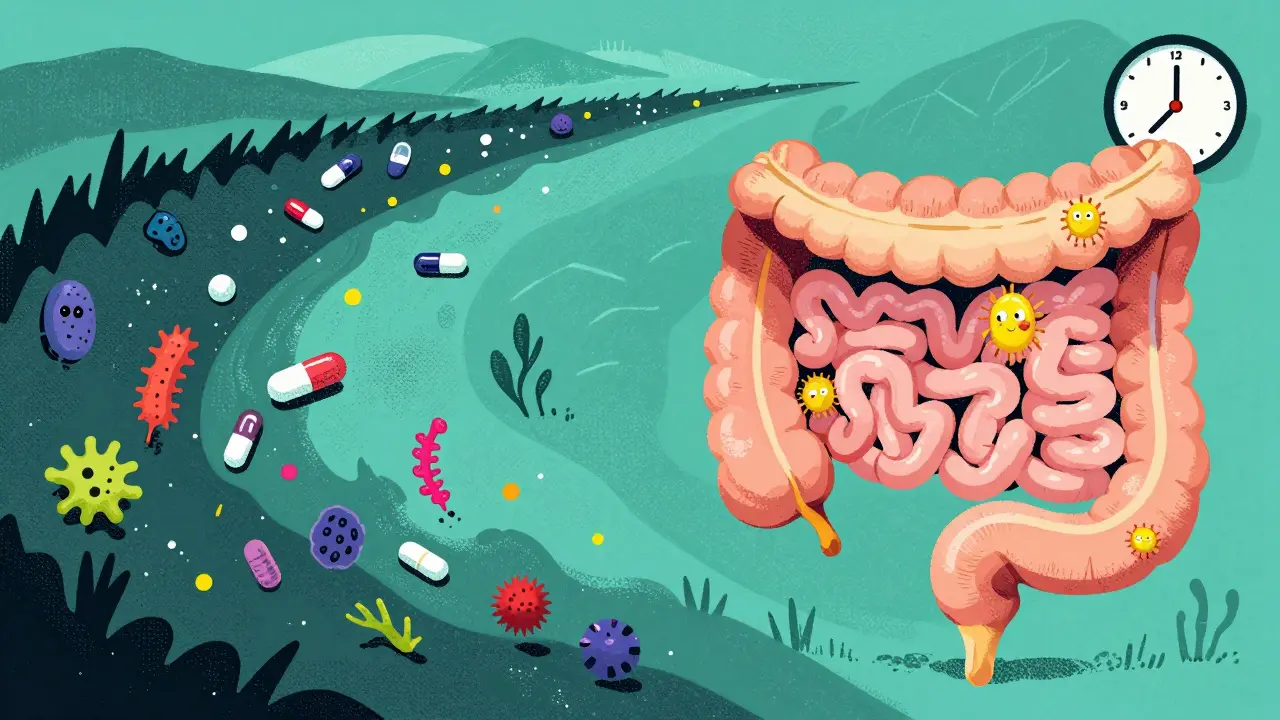
Spacing probiotics and antibiotics by at least two hours dramatically improves effectiveness and reduces antibiotic-associated diarrhea. Learn which strains work best, how much to take, and how long to keep using them.
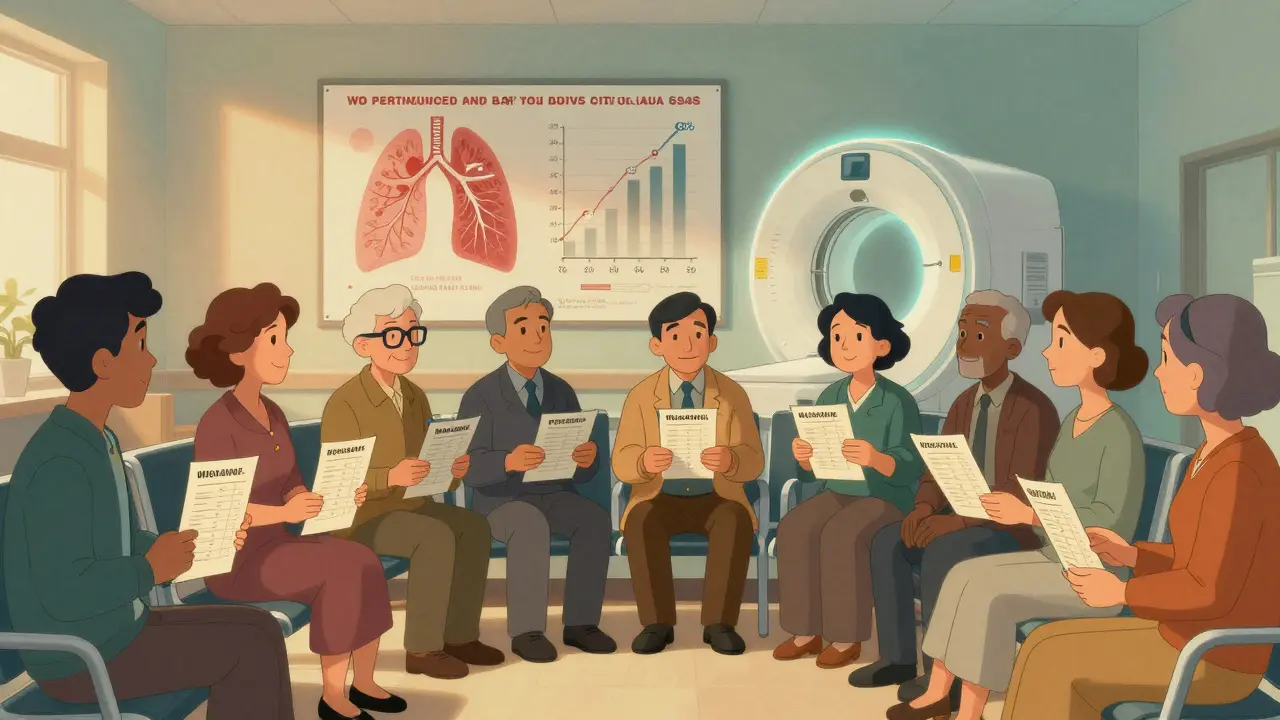
Lung cancer screening saves lives - but only if you know you're eligible. Learn who qualifies, how LDCT works, why so few people get screened, and how targeted therapies like osimertinib are changing survival rates for early-stage patients.
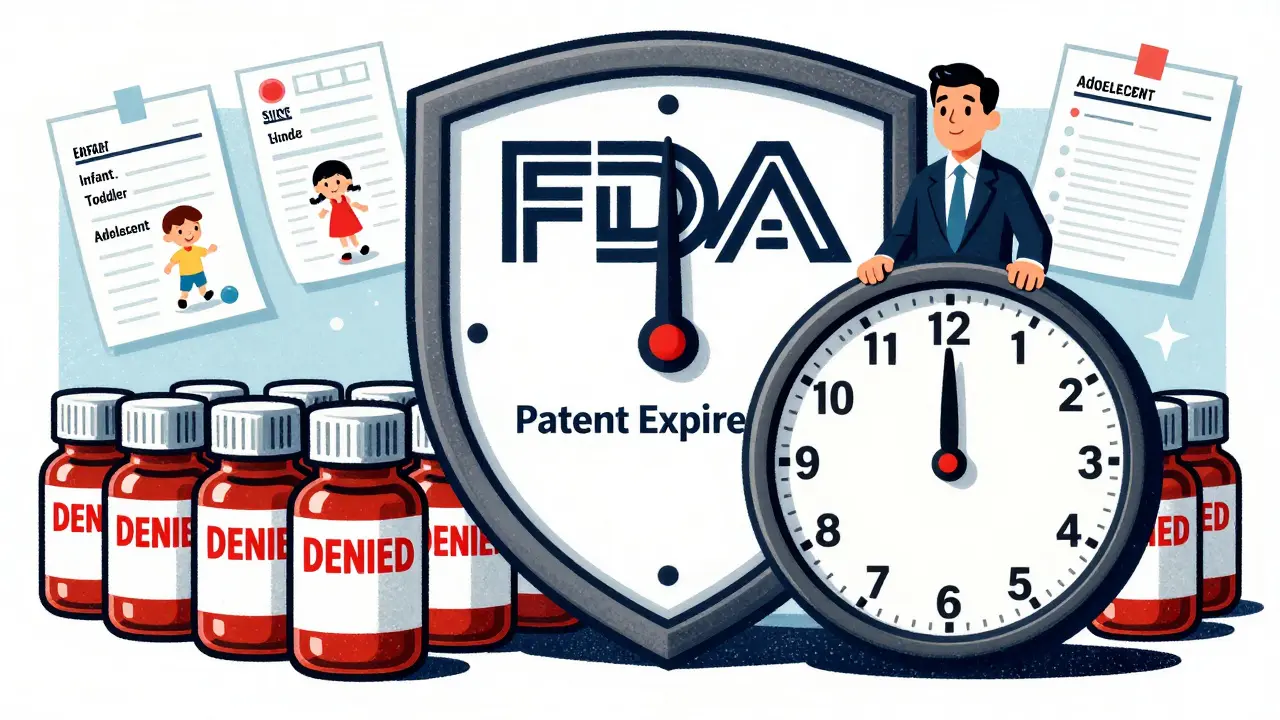
Pediatric exclusivity gives drug makers six months of extra market protection by blocking generic approvals - not by extending patents, but by law. It's a powerful tool that benefits children's health and drug companies alike.
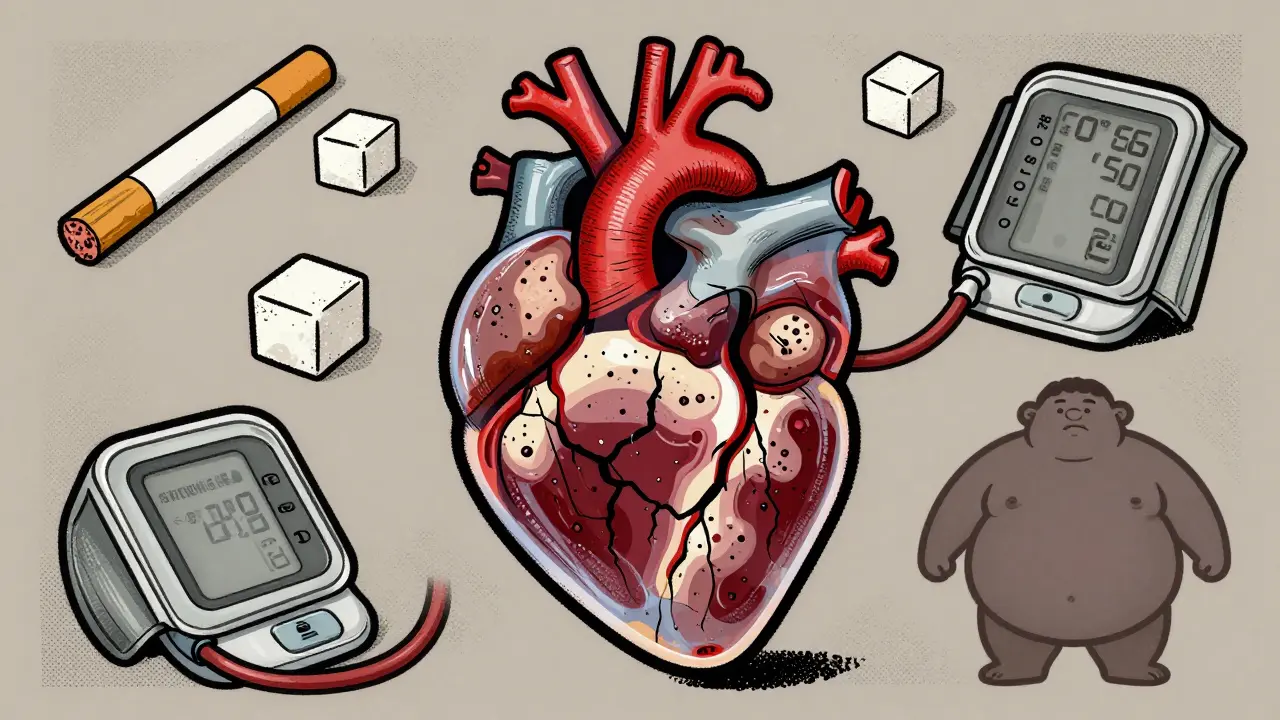
Coronary artery disease is the world's top killer, caused by plaque buildup in heart arteries. Learn how atherosclerosis develops, who's at risk, and what actually works to treat it-based on the latest 2023 guidelines.
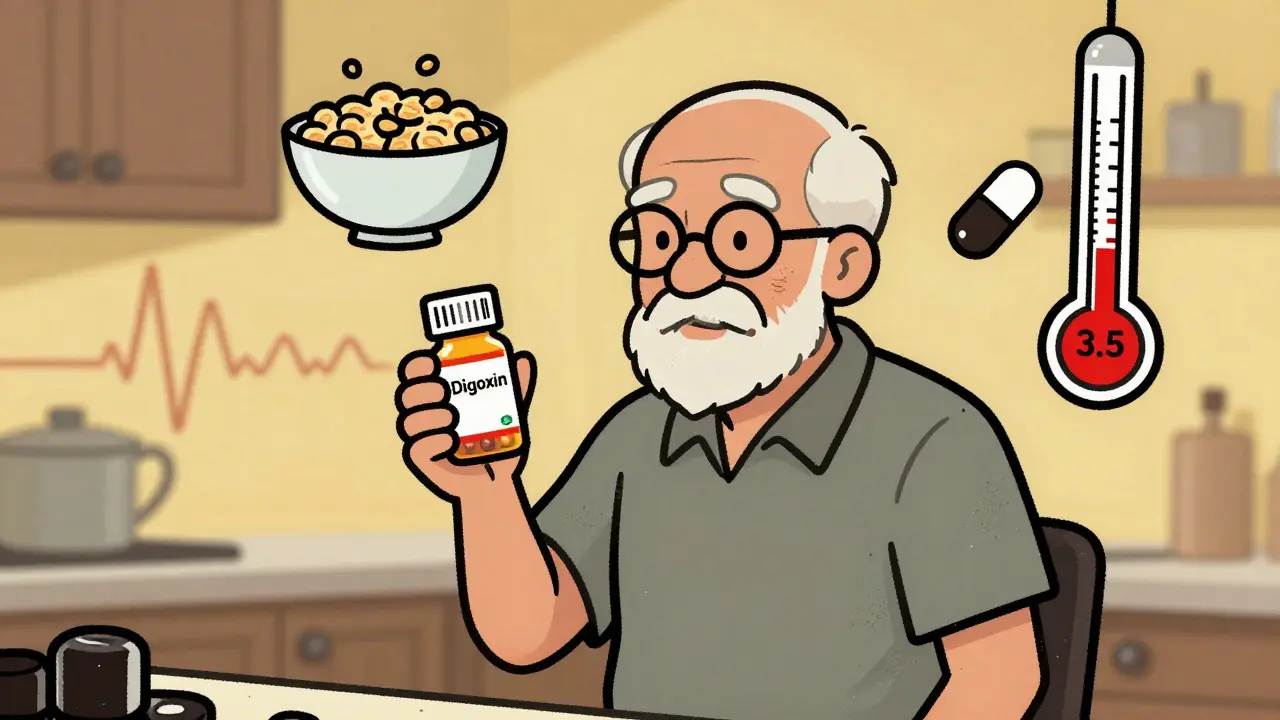
Digoxin helps manage heart failure and atrial fibrillation, but its narrow safety window makes interactions deadly. Learn the top 8 drug and food interactions, who’s at risk, and how to stay safe with simple, practical steps.
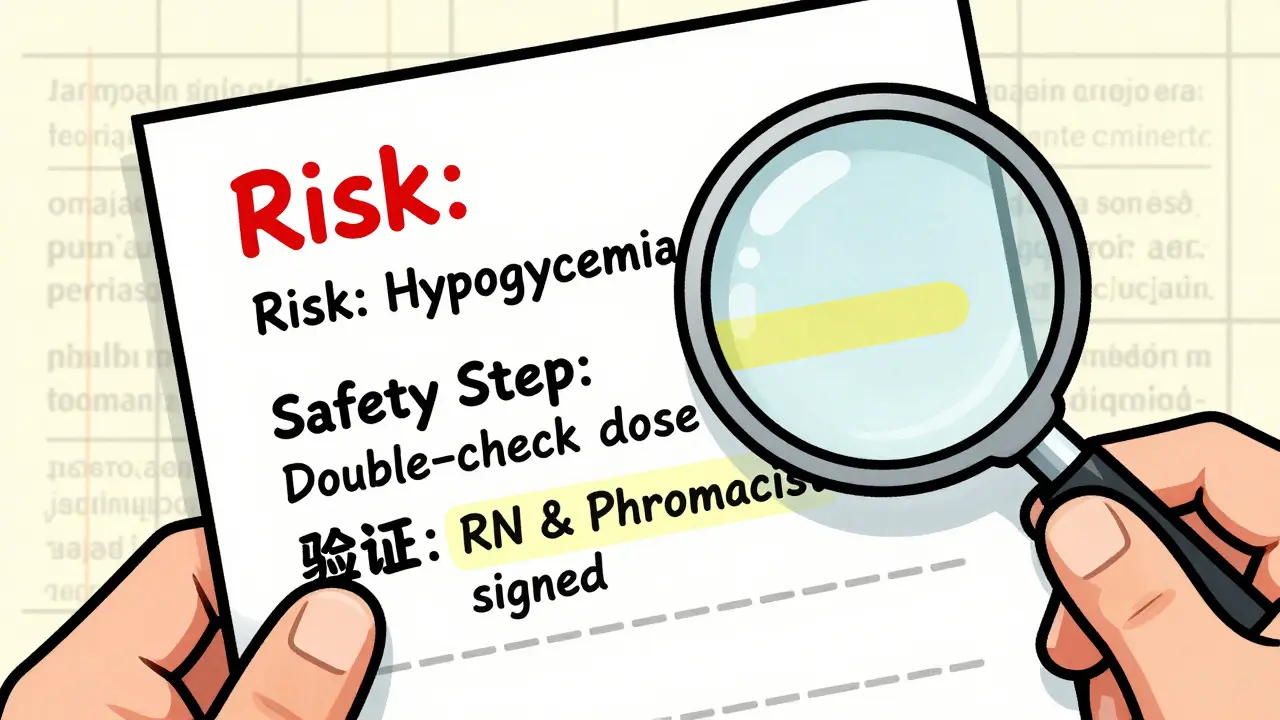
Documenting safety alerts on your medication list reduces medication errors by up to 50%. Learn how to track high-alert drugs like insulin and anticoagulants using simple, proven steps backed by ISMP and WHO guidelines.