
Antidepressant Tapering Calculator
Tapering Calculator
How This Works
This calculator provides personalized tapering guidance based on clinical evidence. It factors in the medication's half-life, your current dose, and your preferred tapering speed to create a safe, gradual reduction plan.
Why This Matters
Research shows that 32% of people who stop abruptly experience depression relapse within 6 months, compared to 19% who taper slowly. The right taper can dramatically reduce withdrawal symptoms like dizziness, brain zaps, and nausea.
Tapering Schedule
Total taper duration:
| Phase | Dose (mg) | Reduction Step | Timeframe |
|---|
Important Safety Note
Always work with your healthcare provider when tapering off antidepressants. This calculator provides general guidance only. Do not make any changes to your medication without medical supervision.
Symptoms to Watch For
- Dizziness or lightheadedness
- Electric shock sensations in the head ("brain zaps")
- Nausea, vomiting, or diarrhea
- Flu-like symptoms: fatigue, muscle aches, chills
- Insomnia or vivid dreams
- Anxiety or irritability
- Sensory changes: sensitivity to light, sound, or touch
Remember: Withdrawal symptoms are physical, not emotional. If you experience persistent sadness or hopelessness, this may be depression relapse rather than withdrawal. Consult your doctor.
Stopping antidepressants isn’t as simple as skipping a pill. For many people, the body has adapted to the medication, and suddenly stopping can trigger a wave of uncomfortable, sometimes scary, symptoms. Dizziness. Brain zaps. Nausea. Insomnia. These aren’t signs your depression is coming back-they’re signs your nervous system is adjusting. This is called antidepressant discontinuation syndrome, and it affects between 27% and 86% of people who quit cold turkey. The good news? You don’t have to go through it alone-or painfully.
Why Tapering Matters
Antidepressants work by changing the levels of chemicals in your brain, especially serotonin and norepinephrine. When you take them regularly, your brain adjusts its own production and response to these chemicals. When you stop suddenly, your brain is left scrambling. It doesn’t know how to function without the medication, and that’s when symptoms kick in.Research shows that people who stop abruptly have a 32% chance of relapsing into depression within six months. Those who taper slowly? That number drops to 19%. Tapering isn’t just about avoiding discomfort-it’s about protecting your mental health long-term.
But not all antidepressants are the same. Some leave your system quickly. Others hang around for days. That’s why a one-size-fits-all taper won’t work. Paroxetine and venlafaxine, for example, have short half-lives. That means they clear out fast-and withdrawal hits harder and sooner. Fluoxetine, on the other hand, sticks around for up to four days after the last dose. That’s why some people can stop fluoxetine with fewer issues.
How Slow Should You Go?
There’s no universal rule, but most experts agree on a starting point: reduce your dose by 10% to 25% every 1 to 4 weeks. That’s the sweet spot for most people. But here’s the catch: the last part of the taper is often the hardest.Dr. David Healy, a leading psychiatrist, puts it bluntly: “The last 10% of the dose causes 50% of the symptoms.” Why? Because as your dose gets lower, each tiny reduction has a bigger impact on your brain’s receptors. A drop from 20mg to 15mg might feel fine. But going from 5mg to 2.5mg? That’s when brain zaps and dizziness show up.
For most SSRIs like sertraline, citalopram, or escitalopram, a common plan looks like this:
- Start at your current dose (e.g., 20mg sertraline).
- Reduce by 5mg every 2 weeks (e.g., 15mg → 10mg → 5mg).
- Once you hit 5mg, switch to a liquid formulation or split tablets to reduce by 1mg every 2-4 weeks.
- Stop when you’re at 0mg.
That’s about 10-12 weeks total. Sounds slow? It is. But it works.
Medication-Specific Tapering Guidelines
Different drugs need different approaches. Here’s what the evidence says:| Antidepressant | Half-Life | Recommended Taper Duration | Reduction Strategy |
|---|---|---|---|
| Fluoxetine (Prozac) | 2-4 days (active metabolite) | 2-4 weeks | Reduce by 10mg every 1-2 weeks; can stop abruptly after 10mg |
| Sertraline (Zoloft) | 26 hours | 8-12 weeks | Reduce by 25mg every 2-4 weeks, then 1mg increments at low doses |
| Paroxetine (Paxil) | 21 hours | 10-16 weeks | Reduce by 5mg every 2-3 weeks; liquid formulations strongly recommended |
| Venlafaxine (Effexor) | 13 hours | 12-20 weeks | Reduce by 37.5mg every 3-7 days; avoid immediate switch to SSRIs |
| Citalopram (Celexa) | 35 hours | 6-10 weeks | Reduce by 5mg every 2 weeks, then 1mg final steps |
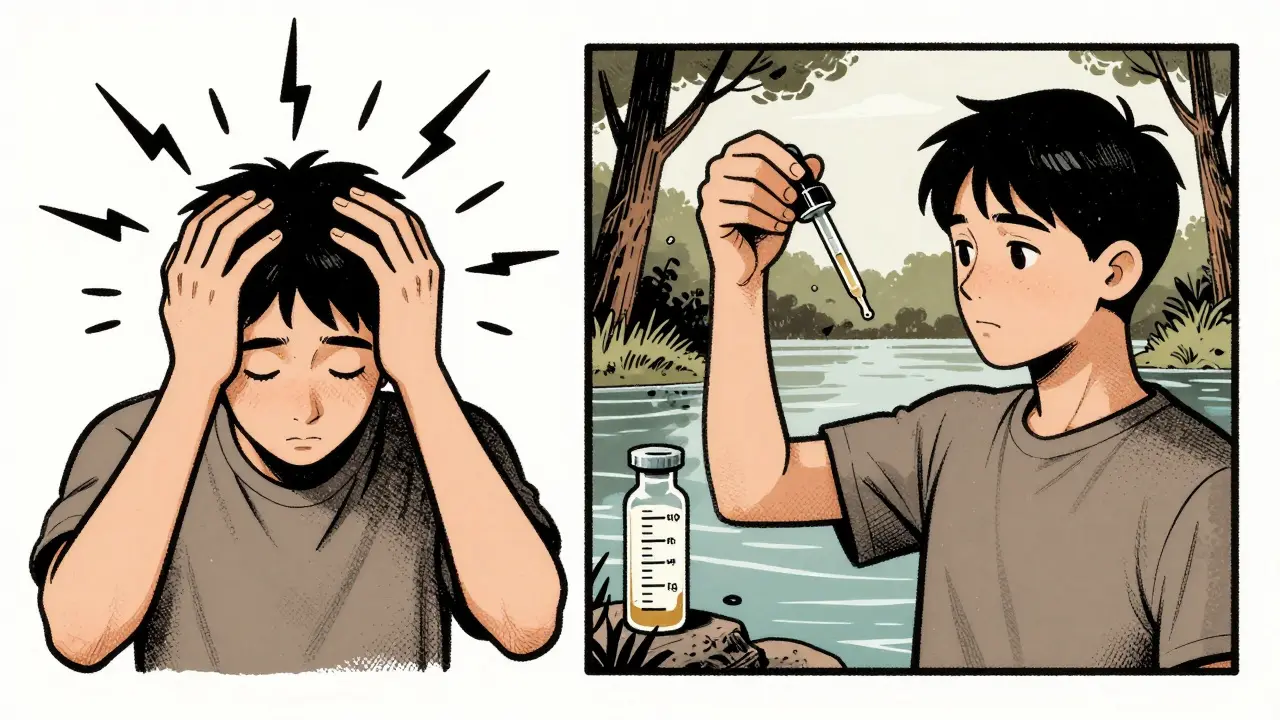
For venlafaxine, the drops are bigger because it comes in extended-release capsules. Cutting those isn’t safe. Instead, switch to the immediate-release version or use liquid formulations if available. For paroxetine, even a 2.5mg drop can trigger symptoms. That’s why many doctors now recommend liquid sertraline or citalopram for the final stages.
What About Switching Medications?
Sometimes, you’re not stopping-you’re switching. Maybe your current drug isn’t working, or side effects are too much. In that case, you’ve got a few options:- Taper and switch immediately: Slowly reduce your old drug while slowly increasing the new one. Works well for switching between SSRIs.
- Taper and wait: Stop the old drug completely, wait 1-3 weeks, then start the new one. Needed for MAOIs (like phenelzine) to avoid dangerous serotonin buildup.
- Cross-taper: Reduce old drug and increase new one at the same time. Best for switching from venlafaxine to sertraline. Example: drop venlafaxine by 37.5mg every 3-7 days while raising sertraline by 25mg every 3-7 days.
Never switch without medical supervision. Mixing antidepressants incorrectly can cause serotonin syndrome-a rare but serious condition with symptoms like high fever, confusion, rapid heartbeat, and muscle rigidity.
Ultra-Slow Tapering: The New Gold Standard?
For people who’ve been on antidepressants for years-or who’ve had bad withdrawal before-standard tapering often isn’t enough. That’s where ultra-slow tapering comes in.Research from King’s College London in 2023 found that using liquid formulations to reduce doses by just 1mg at a time cut severe withdrawal symptoms by 62%. Patients who did this reported fewer brain zaps, less anxiety, and better sleep.
The TRED guideline (Tapering Regimens for Eliminating Dependence) recommends reducing by only 5-10% of your current dose every 1-2 weeks during the final 25% of the taper. That means if you’re at 10mg, you might go 9mg → 8.5mg → 8mg → 7.5mg, each step taking two weeks. It’s tedious. But for some, it’s the only way to make it through without crashing.
What to Watch For
Withdrawal symptoms usually start within a few days of a dose reduction and last 1-3 weeks. Common ones include:- Dizziness or lightheadedness (63% of cases)
- Electric shock sensations in the head (“brain zaps”)
- Nausea, vomiting, or diarrhea (45%)
- Flu-like symptoms: fatigue, muscle aches, chills
- Insomnia or vivid dreams
- Anxiety or irritability
- Sensory changes: sensitivity to light, sound, or touch
Here’s the big mistake most people make: they think these symptoms mean their depression is returning. That’s not true. Withdrawal symptoms are physical, not emotional. If you’re feeling sad or hopeless, that’s relapse. If you’re dizzy, zapping, or nauseous? That’s your nervous system adjusting.
Keep a journal. Note your dose, your symptoms, and how you’re feeling each day. That way, you and your doctor can tell the difference between withdrawal and relapse-and adjust your plan accordingly.

When to Pause or Slow Down
If symptoms get worse after a reduction, don’t push through. Pause your taper. Stay at your current dose for another 1-2 weeks. Let your body catch up. Then try a smaller reduction.Some people need to go even slower than 1mg per week. That’s okay. There’s no prize for finishing fast. The goal isn’t to stop as soon as possible-it’s to stop without suffering.
Also, avoid alcohol, caffeine, and intense stress during tapering. These can make symptoms worse. Stick to sleep, hydration, and gentle movement like walking or yoga.
What If You Can’t Find a Doctor Who Knows How to Help?
Many GPs still think antidepressants are “just pills you take until you feel better.” They don’t know how to taper safely. If your doctor says, “Just cut it in half,” walk out.Look for a psychiatrist, psychopharmacologist, or a GP with experience in psychiatric medication withdrawal. The Maudsley Prescribing Guidelines (2022) are the most detailed resource out there-they list exact milligram reductions for 17 different antidepressants. Print them out. Bring them to your appointment.
Online communities like the Withdrawal Project and Mad in America have thousands of people who’ve been through this. They can’t replace medical advice-but they can help you feel less alone.
Final Thoughts
Tapering off antidepressants isn’t a race. It’s a careful, personal journey. There’s no perfect schedule. What works for one person might crash another. The key is listening to your body, moving slowly, and not letting fear push you into rushing.Most people who taper properly don’t just avoid withdrawal-they end up feeling better than they did on the medication. Their brain relearns how to regulate itself. Their sleep improves. Their energy returns. Their mood stabilizes-not because of a pill, but because their own system came back online.
It takes time. It takes patience. But it’s possible.
Can I stop antidepressants cold turkey?
Stopping abruptly can cause severe withdrawal symptoms like dizziness, brain zaps, nausea, and anxiety. It also increases your risk of depression relapse by nearly 40%. For most people, especially those on short-half-life drugs like paroxetine or venlafaxine, cold turkey is not safe or recommended.
How long does antidepressant withdrawal last?
Symptoms usually start within 1-3 days of a dose reduction and last 1-3 weeks. For most people, they fade after a few weeks. But for those who taper too fast or have been on meds for years, symptoms can linger for months. This is called protracted withdrawal. Slowing the taper reduces this risk significantly.
Are liquid formulations better for tapering?
Yes. Liquid forms of sertraline, citalopram, and fluoxetine allow for precise 1mg reductions, which is critical in the final stages of tapering. A 2023 study from King’s College London found that using liquids cut severe withdrawal symptoms by 62% compared to tablet splitting. If your doctor won’t prescribe liquid, ask for a compounding pharmacy.
Can I taper on my own without a doctor?
It’s not advisable. While some people do it successfully, antidepressants affect brain chemistry in complex ways. Without medical supervision, you risk misinterpreting symptoms, relapsing, or triggering serotonin syndrome if switching medications. Always work with a provider who understands tapering protocols.
What if my symptoms come back after I stop?
First, determine if it’s withdrawal or relapse. Withdrawal symptoms are physical: dizziness, zaps, nausea, sensitivity to light. Relapse is emotional: persistent sadness, loss of interest, hopelessness. If it’s withdrawal, pause your taper and hold your dose. If it’s relapse, talk to your doctor about restarting or adjusting your plan. Don’t assume it’s the same as before.
Does tapering work for long-term users (5+ years)?
Yes-but it takes longer. People on antidepressants for five years or more often experience more intense and prolonged withdrawal. Experts recommend ultra-slow tapering: reducing by 5-10% every 2-4 weeks, especially in the final stages. Liquid formulations and micro-dosing are essential. Patience is critical.
Can I use supplements to help with withdrawal?
Some people find relief with omega-3s, magnesium, or B vitamins, but there’s no strong evidence they prevent withdrawal. Avoid St. John’s Wort-it interacts dangerously with antidepressants. Focus on sleep, hydration, and stress reduction. Supplements should never replace a slow, medical-supervised taper.
7 Comments
Dee HumpreyJanuary 3, 2026 AT 11:49
I tapered off sertraline using liquid form and it made all the difference. Went from 50mg down to 0 over 14 weeks. Last 5mg took 6 weeks. Brain zaps were brutal at first but faded. No relapse. Just patience and tiny drops.Stick with it.
John WilmerdingJanuary 4, 2026 AT 13:15
The empirical data presented here is both comprehensive and clinically sound. It is imperative to recognize that abrupt discontinuation of serotonergic agents precipitates a neurochemical imbalance of significant magnitude, particularly with agents possessing short half-lives such as paroxetine and venlafaxine. The 32% to 19% reduction in relapse rates underscores the necessity of structured tapering protocols as a standard of care.Vikram SujayJanuary 6, 2026 AT 04:42
There is a quiet dignity in slowing down when your body asks for it. We live in a world that glorifies speed - finish fast, get better quick, move on. But healing the nervous system? That doesn't follow a timeline. It follows breath. It follows stillness. It follows listening. This post doesn't just give steps - it gives permission to be gentle.Jay TejadaJanuary 6, 2026 AT 21:07
Man I tried to quit citalopram cold turkey once. Thought I was tough. Woke up feeling like my skull was filled with static and my eyes were on fire. Took me 3 months to feel normal again. Don't be me.Allen YeJanuary 7, 2026 AT 08:25
Let’s be real - this isn’t just about tapering. It’s about how Western medicine treats mental health like a light switch: on, off, done. But the brain isn’t a circuit board. It’s a living, evolving ecosystem shaped by years of chemistry, trauma, sleep, diet, and culture. We don’t just ‘stop’ a drug and expect the mind to reset like a phone. We need to honor the complexity. That’s why ultra-slow tapers work - they respect the biology, not just the dosage chart. And yes, liquid formulations aren’t a luxury - they’re a necessity for precision. If your doctor doesn’t get that, find someone who does. Your nervous system deserves better than a one-size-fits-all pill schedule.Brendan F. CochranJanuary 7, 2026 AT 13:31
Why do people make this so hard? Just stop taking the pills. You're weak if you can't handle a few days of dizziness. America's gone soft. Back in my day we just pushed through. Now we need liquid formulations and journals and 'microdosing'? Get real. You're not sick, you're lazy.jigisha PatelJanuary 9, 2026 AT 12:14
Actually, the King's College study cited has methodological flaws. The sample size was small, self-reported symptoms are unreliable, and no control group accounted for placebo effects or concurrent lifestyle changes. Also, the TRED guideline is not peer-reviewed. This post reads like an anecdotal blog disguised as evidence-based medicine. Don't trust random Reddit advice with your neurochemistry.