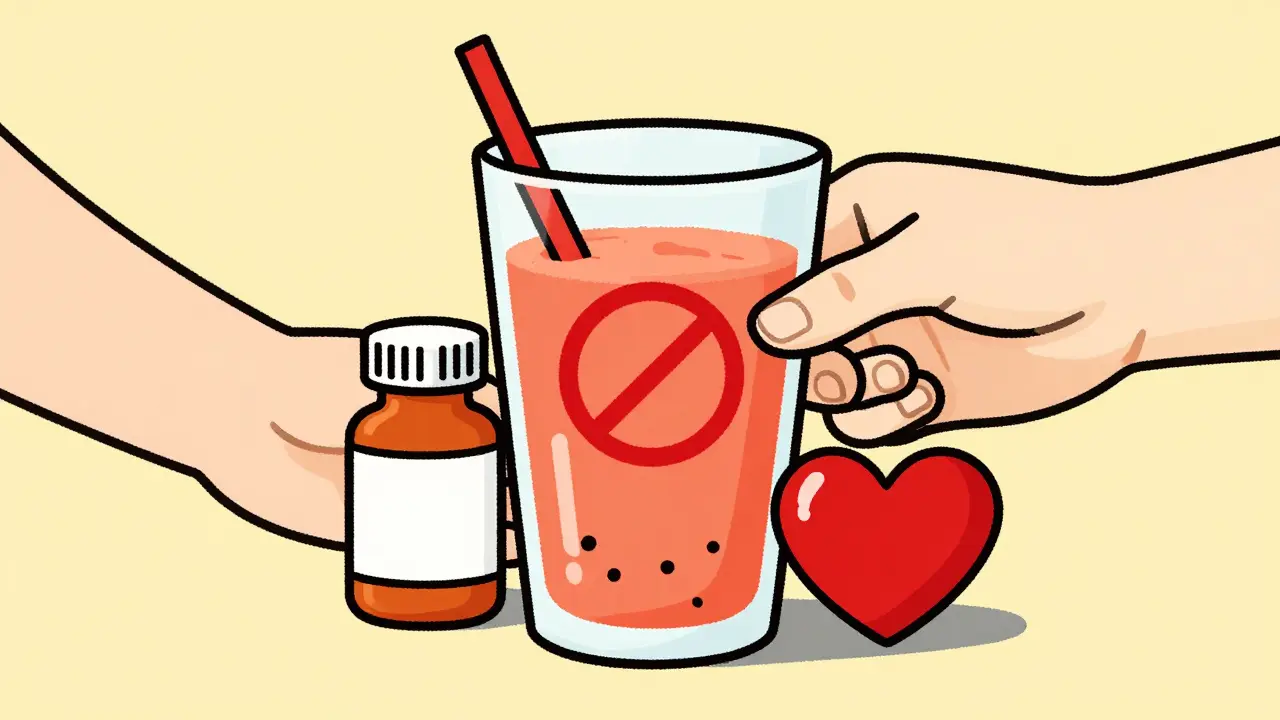
Imagine your morning grapefruit smoothie turning your heart medication into a dangerous overdose. It sounds scary, but this is exactly what happens with certain food and drug combinations. Every year, drug interactions send thousands of people to the hospital-not because they're taking the wrong medicine, but because they didn't know their orange juice or herbal supplement could mess with their prescription. drug interactions happen when something you eat, drink, or take as a supplement changes how your medication works. This could make it too strong, too weak, or cause dangerous side effects. Let’s break down what really happens and how to stay safe.
What Are Drug Interactions?
Drug interactions fall into three clear types. First, drug-drug interactions happen when one prescription medicine affects another. Second, drug-food interactions occur when what you eat or drink changes how your medication behaves. Third, drug-supplement interactions happen when vitamins, minerals, or herbal products interfere with your medicine. The Cleveland Clinic explains that these aren’t rare. In fact, about 40% of Americans take dietary supplements, and 3-5% of hospital admissions are linked to these interactions. That’s a huge number of preventable health crises.
How do they work? Two main mechanisms cause problems. Pharmacodynamic interactions happen when substances have similar or opposite effects on your body. For example, taking yohimbine bark (a supplement) with guanabenz (a blood pressure drug) makes the blood pressure medication less effective because they work in opposite ways. Pharmacokinetic interactions affect how your body processes the drug. This often involves the cytochrome P450 enzyme system a liver enzyme system responsible for metabolizing many medications, which breaks down drugs in your body. If something blocks or speeds up this system, your medication levels can go haywire.
Common Dangerous Combinations
Some interactions are so dangerous they make headlines. Let’s look at real examples:
- Grapefruit a common fruit that can dangerously amplify certain medications blocks the enzyme that breaks down statins (cholesterol drugs). A 2004 study in the Canadian Medical Association Journal found it increases simvastatin levels by up to 15 times. This raises the risk of rhabdomyolysis-a muscle breakdown that can cause kidney failure-from 0.15 to 1.57 cases per 100,000 people yearly. Just one grapefruit smoothie can do this.
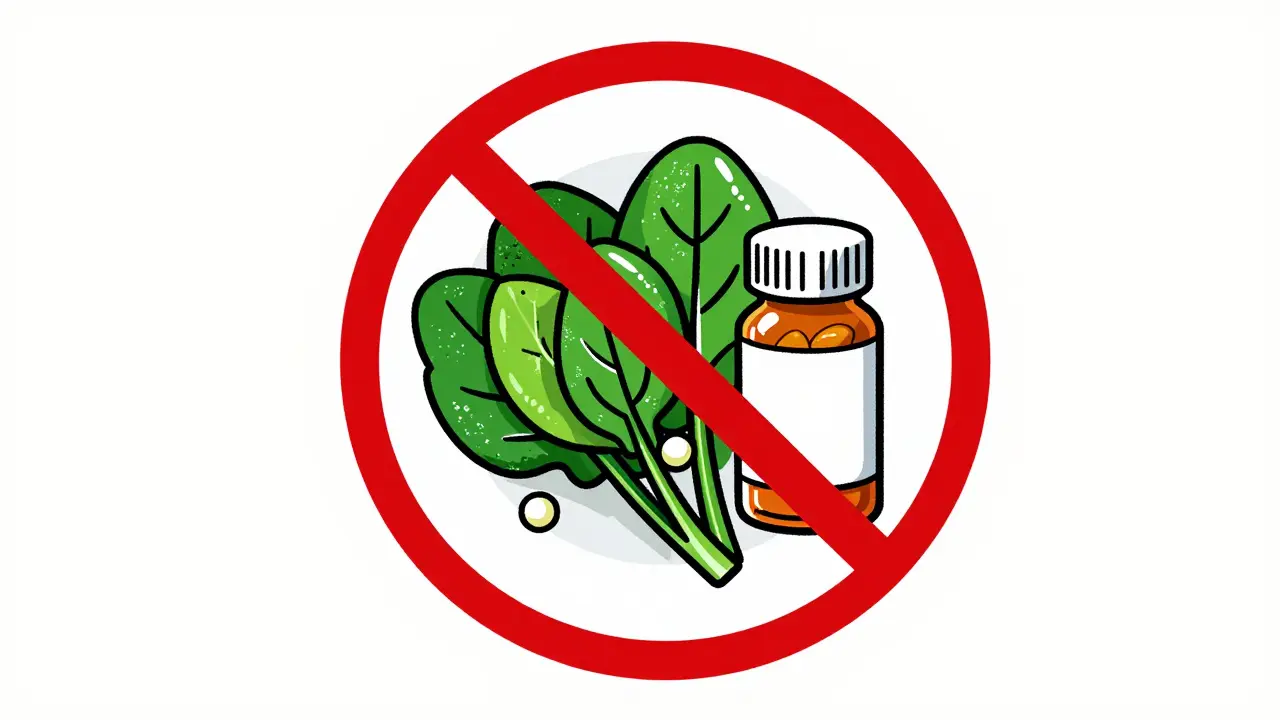
- Warfarin a blood thinner that’s highly sensitive to dietary changes is affected by vitamin K a nutrient found in leafy greens that counteracts warfarin. Eating 150g of cooked spinach (which has 830mcg of vitamin K) can reduce warfarin’s effectiveness by 30-40% in 24 hours. This increases clotting risk. Even cranberry juice has caused at least 28 documented cases of dangerous bleeding in warfarin users between 2003 and 2015.
- St. John’s wort a popular herbal supplement for mood support is a notorious troublemaker. It speeds up the cytochrome P450 system, which breaks down 50% of prescription drugs. A 2000 study in Clinical Pharmacology & Therapeutics showed it cuts cyclosporine (used after organ transplants) levels by 50-70% within two weeks. It also makes birth control pills 50-70% less effective and can trigger serotonin syndrome with antidepressants-a life-threatening condition with symptoms like fever, muscle rigidity, and confusion.
Other risky combinations include ginkgo biloba with blood thinners (increasing bleeding time by 30-50%), garlic supplements with warfarin (32 case reports of bleeding between 1990-2001), and red yeast rice with statins (doubling myopathy risk). The FDA warns that 23% of serious supplement-related adverse events involve dangerous interactions.
How These Interactions Happen
Understanding the science behind interactions helps avoid them. The cytochrome P450 system is the main player here. It’s like a factory that processes drugs in your liver. Some substances slow this factory down (inhibitors), causing drug buildup. Others speed it up (inducers), making drugs break down too fast. St. John’s wort is a powerful inducer-it’s why it messes with so many medications. Grapefruit is an inhibitor-it blocks the factory, causing drugs to pile up.
Pharmacodynamic interactions are simpler. They happen when two substances have opposite effects. For example, taking a blood pressure medication with a supplement that raises blood pressure (like ephedra) cancels out the treatment. Or combining multiple sedatives (like alcohol and sleep aids) can slow your breathing to dangerous levels. These interactions might seem obvious, but people often don’t realize supplements can have strong physiological effects.
How to Protect Yourself
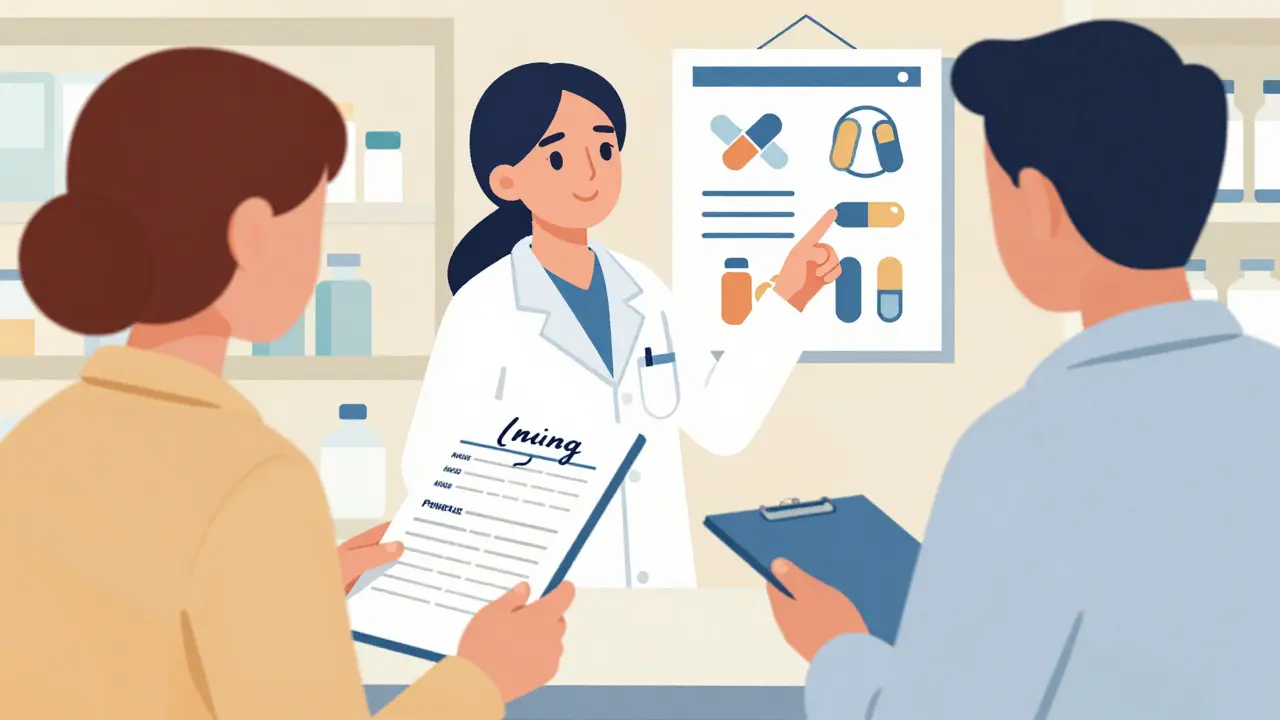
Preventing interactions is simple once you know what to do. First, always tell your doctor and pharmacist about everything you take. This includes prescription drugs, over-the-counter medicines, vitamins, and herbal supplements. A 2022 JAMA Internal Medicine editorial noted that 70% of patients don’t mention supplements to their doctors. That’s a huge gap. Dr. Adriane Fugh-Berman, a Georgetown University expert, says this creates "dangerous information gaps" that lead to preventable harm.
Second, check labels. The FDA requires prescription drugs to list interaction warnings, but only 29% of supplement labels do. That means you have to be proactive. Third, use free resources. The LiverTox database a free NIH resource documenting over 1,200 drug-supplement interactions provides evidence-based details. MedlinePlus offers a drug interaction checker a free tool for checking 3,500+ medications and supplements that’s easy to use. Many pharmacies also have apps that scan your medications for risks.
For warfarin users, consistency matters more than elimination. The National Academy of Medicine recommends keeping vitamin K intake steady-90mcg daily for women and 120mcg for men. This means eating similar amounts of leafy greens every day rather than avoiding them completely. A 2023 study in the Journal of Thrombosis and Haemostasis showed patients who followed this advice maintained therapeutic blood levels 68% of the time versus 42% for those who didn’t get education.
Expert Advice and Resources
Healthcare professionals agree: communication is key. The American Pharmacists Association found that pharmacist-led medication reviews reduce adverse drug events by 22% and save $1,123 per patient annually. Dr. Michael Cohen, president of the Institute for Safe Medication Practices, testified that drug-supplement interactions cost $177 billion yearly in preventable healthcare costs. He’s pushing for mandatory interaction warnings on supplements, just like prescription drugs.
Technology is helping too. A 2021 study in the Journal of the American Medical Informatics Association showed Epic’s interaction checker reduced high-severity prescribing errors by 37% in 12 hospitals. AI tools like IBM Watson Health can predict new interactions with 87% accuracy by analyzing clinical notes. The FDA’s Sentinel Initiative aims to monitor real-world interactions using data from 190 million Americans by 2025.
For now, the simplest step is to carry a medication list. Write down every pill, supplement, and natural remedy you take. Update it at every doctor’s visit. This takes two minutes but could save your life.
Can I take supplements with my blood pressure medication?
Sometimes, but you must check carefully. For example, St. John’s wort reduces blood pressure medications like guanabenz by opposing their effects. Ginkgo biloba can increase bleeding risk when taken with blood thinners. Always consult your pharmacist before adding any supplement to a blood pressure regimen. They can check for interactions using tools like LiverTox.
Why does grapefruit affect some medications?
Grapefruit contains furanocoumarins that block the cytochrome P450 enzyme in your gut. This enzyme normally breaks down medications like statins. When blocked, the drug builds up in your blood. A single grapefruit can cause this effect for 24 hours. Avoid grapefruit entirely if you take simvastatin, lovastatin, or certain blood pressure drugs. Other citrus fruits like oranges are safe.
Are all herbal supplements risky?
Not all, but many are. St. John’s wort affects over 50% of prescription drugs. Ginkgo biloba increases bleeding risk with blood thinners. Echinacea might interfere with immunosuppressants. Even "natural" doesn’t mean safe. Always ask your pharmacist about supplements-especially if you take medications for heart disease, depression, or diabetes. The National Institutes of Health has ongoing studies on echinacea, black cohosh, and saw palmetto interactions.
How can I check for interactions myself?
Use free tools like MedlinePlus’ drug interaction checker or the LiverTox database from the NIH. Many pharmacy apps also scan your prescriptions for risks. For quick reference, the FDA’s "Information for Consumers on Using Dietary Supplements" guide (2023 revision) lists common interactions. If you’re unsure, call your pharmacist-they’re trained to spot these risks and can give advice in seconds.
What should I do if I experience side effects?
Stop taking the suspected supplement or medication immediately and call your doctor. For severe symptoms like chest pain, difficulty breathing, or severe bleeding, go to the emergency room. Report the incident to the FDA’s MedWatch program. Between 2013 and 2019, 23% of serious supplement adverse events involved interactions that could have been prevented with better communication.
13 Comments
Albert LuaFebruary 6, 2026 AT 05:08
As a traveler, I've seen how different cultures handle this. In Japan, they use kampo medicine which is carefully regulated alongside Western drugs. In Brazil, traditional healers work with doctors. It's all about communication and respect for all forms of medicine. We need to learn from each other instead of fear-mongering. Always talk to your healthcare provider!
Lisa ScottFebruary 7, 2026 AT 00:03
Pharma conspiracy. No evidence. Just fear. End of story. FDA corrupt. Period.
Dina SantorelliFebruary 7, 2026 AT 10:14
Ugh, this article is so dry. I mean, who cares about drug interactions? It's all overhyped. Like, I take my meds with orange juice and never had issues. Maybe it's just a myth. Or maybe I'm just lucky. Whatever.
Andre ShawFebruary 7, 2026 AT 13:36
Y'all are overcomplicating this. Drug interactions? Pfft. I've been on statins for years, drinking grapefruit juice every morning. No issues. The real problem is Big Pharma's fearmongering. They want you to think everything's dangerous so they can sell more drugs. It's all a scam!
Danielle VilaFebruary 8, 2026 AT 20:26
Oh, you think grapefruit is bad? HA! That's what they want you to think. The real danger is the government and pharmaceutical companies controlling the narrative. They're hiding the truth about how safe it is. I've been taking my meds with grapefruit for years and feel great. They don't want you to know this!
Cullen BausmanFebruary 9, 2026 AT 09:11
This article is insufficiently rigorous. The data presented lacks proper statistical validation. In my country, we have stricter regulations. Such misinformation is dangerous. We must hold the media accountable.
Katharine MeilerFebruary 9, 2026 AT 16:15
The pharmacokinetic interactions are well-documented, but the article doesn't address the clinical significance adequately. For instance, the 15x increase in simvastatin levels from grapefruit is concerning, but the absolute risk remains low. However, in high-risk populations, it's critical. More context needed.
Laissa PeixotoFebruary 11, 2026 AT 04:28
It's fascinating how society treats 'natural' as inherently safe. But the reality is that all substances interact with the body. The key is informed decision-making. However, this article does a decent job highlighting key interactions. Still, it lacks depth on the mechanisms behind pharmacodynamic interactions. Perhaps a deeper dive into cytochrome P450 would be beneficial.
Joyce cuypersFebruary 11, 2026 AT 08:28
Hey everyone! Just wanted to say thanks for sharing this info. It's super helpful. I always forget to tell my doc about my supplements. Gonna start doing that. Also, I made a typo here-'doc' should be 'doctor'-but you get the idea! 😊
Samantha BeyeFebruary 12, 2026 AT 20:06
This is really helpful information. I'm glad someone's putting this out there. Just remember to always check with your healthcare provider before making changes. Small steps can make a big difference. Stay safe!
Thorben WesterhuysFebruary 14, 2026 AT 07:17
I can't believe this article... it's so scary! I mean, I take warfarin, and I've been drinking cranberry juice for years... and now I'm terrified! What should I do? Oh no, this is terrible. I need to stop everything immediately. I'm so anxious now. This is why I can't sleep. Help!
Lana YounisFebruary 16, 2026 AT 03:39
Hey folks, just want to say this is super important info. I'm a nurse, and I see this all the time. Like, people don't realize that even 'natural' supplements can cause issues. But also, don't freak out-just talk to your doc or pharmacist. They can help. Also, I spelled 'doctor' wrong here-'doc' is fine, right? 😅
Cole StreeperFebruary 17, 2026 AT 08:56
This whole thing is a government conspiracy to control us! Grapefruit is safe, it's all about controlling the population. They don't want you to know the truth about the pharmaceutical companies. The FDA is in cahoots with Big Pharma. I've been taking my meds with grapefruit for years, no problem. They're just trying to scare us.