Medication-Induced Psychosis Symptom Checker
Check for Symptoms
This tool helps identify potential medication-induced psychosis symptoms based on your medication and symptoms.
When someone suddenly starts seeing things that aren’t there, believing they’re being watched, or speaking in ways that don’t make sense, it’s easy to assume it’s schizophrenia or another mental illness. But what if the cause isn’t their brain chemistry-it’s a pill they took yesterday? Medication-induced psychosis is real, often misunderstood, and can happen to anyone-even someone taking a prescription exactly as directed. It’s not rare. It’s not always obvious. And if you don’t recognize it, you could delay life-saving care.
What Exactly Is Medication-Induced Psychosis?
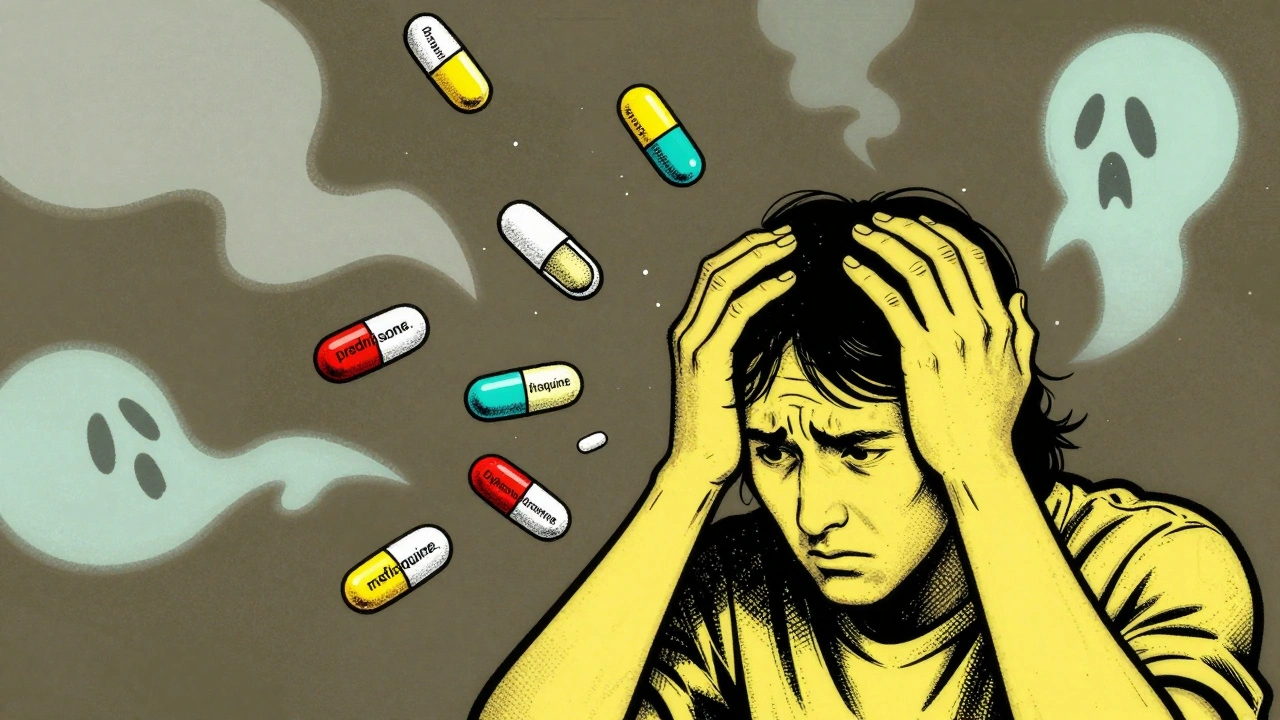
Medication-induced psychosis is when psychotic symptoms-like hallucinations, delusions, or disorganized thinking-show up because of a drug’s effect on the brain. These symptoms aren’t just side effects. They’re full-blown breaks from reality. The DSM-5 defines it clearly: the psychosis must start during or within a month after taking the substance or going through withdrawal. It’s not a personality flaw. It’s a physiological reaction.
Think of it like an allergic reaction-but to your nervous system. One person takes a steroid for a flare-up and starts hearing voices. Another takes an antimalarial before a trip and becomes convinced their family is plotting against them. A third person on an antidepressant suddenly believes their thoughts are being broadcast on TV. These aren’t coincidences. They’re documented, predictable reactions to specific drugs.
Common Symptoms to Watch For
The signs don’t always come all at once. Often, they creep in. Early warning signs might be mood swings, anxiety, or trouble sleeping. Then comes the shift:
- Delusions-false, fixed beliefs that aren’t based in reality. Persecutory delusions (thinking someone is out to hurt you) are the most common.
- Hallucinations-seeing, hearing, smelling, or feeling things that aren’t there. Auditory hallucinations (hearing voices) are the most frequent.
- Incoherent speech-jumping between unrelated topics, repeating phrases, or using made-up words.
- Disorganized behavior-acting in ways that don’t fit the situation, like stripping off clothes in public or yelling at empty corners.
- Memory lapses and poor concentration-struggling to follow conversations or remember simple tasks.
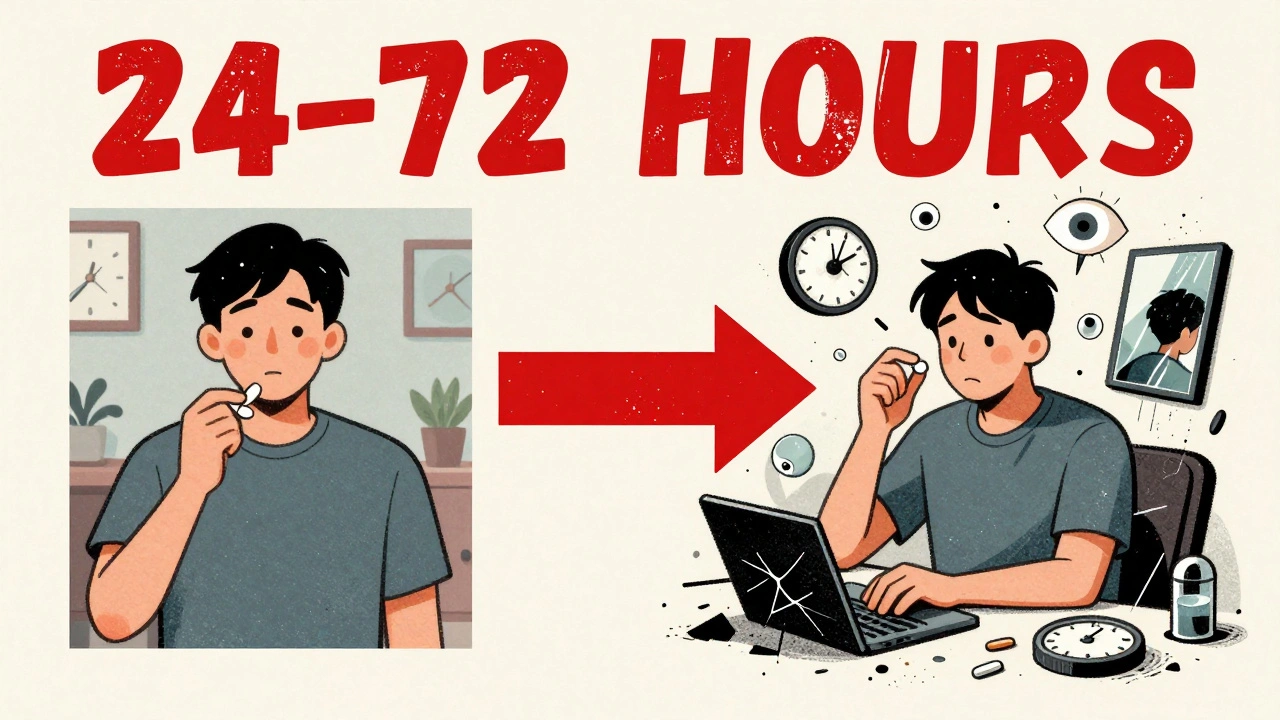
These symptoms can appear within minutes (like after snorting cocaine) or take weeks (like after long-term steroid use). The timing tells you something about the drug involved. But the symptoms themselves? They look almost identical to schizophrenia. That’s why misdiagnosis is so common.
Which Medications Can Trigger This?
It’s not just street drugs. Many legal, prescribed medications carry this risk. Here are the most common culprits:
- Corticosteroids (like prednisone)-up to 5.7% of people on high doses develop psychosis. Mood changes often come first.
- Antimalarials (especially mefloquine)-used for travel, it’s been linked to over 1,200 reported psychotic episodes since the 1980s.
- Antiretrovirals (like efavirenz for HIV)-about 2.3% of users experience hallucinations or paranoia.
- Antidepressants (SSRIs, SNRIs)-rare, but documented. Often happens early in treatment or after a dose increase.
- Stimulants (Adderall, Ritalin, methamphetamine)-up to 96% of chronic cocaine users report hallucinations. Amphetamines are similarly risky.
- Antiepileptics (vigabatrin)-around 1.1% of users develop psychosis.
- First-generation antihistamines (like diphenhydramine in sleep aids)-can cause delirium and hallucinations, especially in older adults.
- Opioids and NSAIDs (in high doses)-rare, but possible.
Even over-the-counter drugs like cold medicines containing dextromethorphan can trigger psychosis if taken in large amounts. The key isn’t the drug’s purpose-it’s how it affects dopamine, glutamate, or serotonin pathways in the brain.
Who’s Most at Risk?
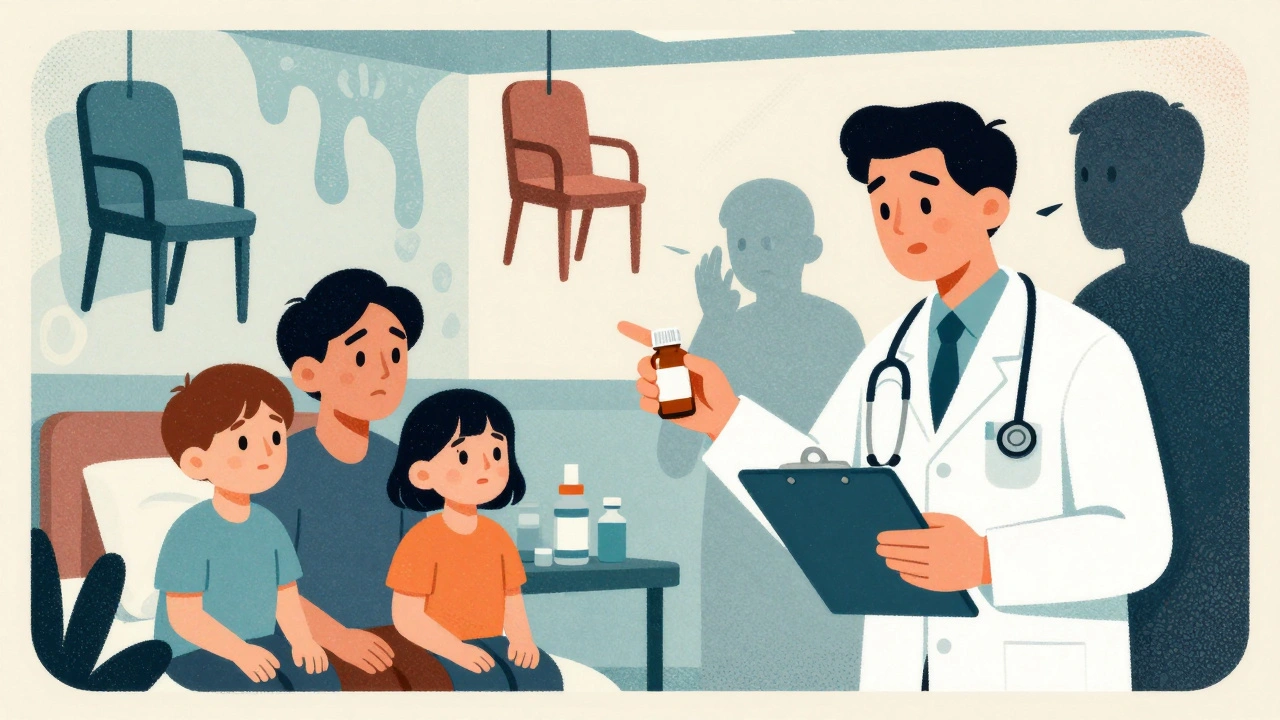
It’s not random. Certain people are far more vulnerable:
- Those with a personal or family history of psychiatric illness-especially schizophrenia or bipolar disorder.
- Women-studies show higher susceptibility across multiple drug classes.
- People with substance use disorders-74% of those hospitalized for first-episode psychosis have a history of drug or alcohol abuse.
- Older adults-slower metabolism and existing brain changes make them more sensitive.
- Those taking multiple medications-drug interactions can amplify risks.
One study found that only 38% of primary care doctors feel confident spotting medication-induced psychosis. That means many cases fly under the radar until it’s an emergency.
Emergency Management: What to Do Right Now
If someone is actively psychotic and unsafe-threatening harm, disoriented, or unable to care for themselves-call 911 or go to the ER. Don’t wait. Don’t try to reason with them. Their brain isn’t working normally.
Here’s what happens in the emergency room:
- Stop the drug. The first and most critical step. If it’s a steroid, they’ll taper it. If it’s an illicit stimulant, they’ll monitor withdrawal.
- Supportive care. IV fluids, electrolyte balance, and monitoring for complications like rhabdomyolysis (muscle breakdown from stimulants).
- Calming the episode. Atypical antipsychotics like olanzapine or quetiapine are often given to reduce hallucinations and delusions quickly. But they’re not always needed-if the drug is stopped, symptoms often fade within hours or days.
- Withdrawal management. If the psychosis came from alcohol or benzodiazepine withdrawal, they’ll use benzodiazepines to prevent delirium tremens.
- Assess safety. If the person is a danger to themselves or others, temporary involuntary hold may be required under mental health laws.
It’s not about sedating them. It’s about removing the trigger and letting the brain reset. Most people recover fully once the drug is out of their system.
How Long Does It Last?
Recovery time depends on the drug:
- Cocaine or methamphetamine: Symptoms often clear in 24 to 72 hours.
- Steroids: Take 4 to 6 weeks to fully resolve after stopping.
- Alcohol withdrawal: Psychosis can last days to weeks; may evolve into delirium tremens if not treated.
- Antidepressants or antihistamines: Usually resolve within days after discontinuation.
But here’s the catch: if symptoms last longer than a month after stopping the drug, it’s no longer classified as medication-induced. That’s when doctors start looking for an underlying psychotic disorder like schizophrenia. That’s why follow-up is non-negotiable.
Why This Gets Missed-and Why It Matters
Doctors aren’t trained to think, “Could this be a pill?” They’re trained to think, “Could this be schizophrenia?” That’s dangerous. A person with medication-induced psychosis might be wrongly prescribed lifelong antipsychotics. They might be labeled as “non-compliant” or “difficult.” They might lose custody of their kids, their job, or their freedom-all because the root cause wasn’t recognized.
And the numbers are rising. Emergency visits for drug-induced psychiatric symptoms increased 17% per year between 2015 and 2020. More people are on more meds. More people are self-medicating. More people are unaware of the risks.
The FDA requires warning labels on drugs like efavirenz and mefloquine. But patients rarely read them. Doctors don’t always ask about them. That’s why you need to be your own advocate.
What You Can Do to Prevent It
Prevention starts with awareness:
- Keep a list of every medication you take-including supplements and OTC drugs.
- Ask your doctor: “Can this cause hallucinations or paranoia?” before starting anything new.
- If you’re on steroids, antimalarials, or antiretrovirals, watch for mood changes, sleep problems, or anxiety in the first week.
- If you or a loved one starts acting strangely after starting a new drug, don’t wait. Call your doctor today.
- Never stop a medication cold turkey-especially antidepressants or benzodiazepines-without medical supervision.
There’s no magic test for medication-induced psychosis. It’s diagnosed by elimination: symptoms appeared after a drug, improved after stopping, and no other cause is found. That’s why honesty with your doctor matters.
What Happens After the Emergency?
Once the acute phase passes, you need follow-up care. A psychiatrist should evaluate you within 1 to 2 weeks. They’ll check:
- Are the symptoms truly gone?
- Is there an underlying disorder that was masked by the drug?
- What’s the safest way to restart any necessary medications?
Many people can safely resume their original treatment-just at a lower dose, or with a different drug. Others need to avoid certain classes entirely. Genetic testing for drug metabolism is still emerging, but it’s becoming more common in specialized clinics.
Recovery isn’t just about stopping the drug. It’s about rebuilding trust in your own mind. Many people feel ashamed after a psychotic episode-even if it wasn’t their fault. That’s normal. But it’s not permanent.
Medication-induced psychosis is treatable. It’s reversible. And with the right care, most people go on to live full, healthy lives-without ever needing long-term psychiatric drugs.
Can over-the-counter drugs cause psychosis?
Yes. First-generation antihistamines like diphenhydramine (Benadryl) and high doses of dextromethorphan (found in cough syrups) can cause hallucinations and delusions, especially in older adults or when taken with other medications. Even sleep aids and cold medicines carry this risk.
Is medication-induced psychosis the same as schizophrenia?
No. Schizophrenia is a chronic brain disorder with no clear trigger. Medication-induced psychosis is temporary and directly tied to a substance. Symptoms usually resolve within a month after stopping the drug. If they don’t, doctors then investigate whether an underlying psychotic disorder was triggered or revealed by the drug.
How long does it take for symptoms to go away after stopping the drug?
It varies. Stimulants like cocaine often clear in 1 to 3 days. Steroids can take 4 to 6 weeks. Antidepressants and antihistamines usually resolve in a few days. Alcohol or benzodiazepine withdrawal can take longer and may require medical supervision to prevent dangerous complications.
Can you get psychosis from antidepressants?
Yes, though it’s rare. SSRIs and SNRIs can trigger psychosis, especially early in treatment or after a dose increase. It’s more likely if you have a personal or family history of bipolar disorder or psychosis. If you experience new hallucinations or paranoia after starting an antidepressant, contact your doctor immediately.
Should I stop my medication if I think it’s causing psychosis?
Don’t stop abruptly. Some medications, like antidepressants or steroids, can cause dangerous withdrawal effects if stopped suddenly. Call your doctor right away. They’ll help you safely taper off or switch to a different drug while managing your symptoms.
11 Comments
Louis LlaineDecember 8, 2025 AT 06:01
So let me get this straight - we’re now blaming pills for everything? Next thing you know, someone’s gonna say their dog’s barking is caused by their blood pressure med. 🤦♂️Nancy CarlsenDecember 9, 2025 AT 03:21
This is so important 💗 I had a cousin who went full paranoid after a steroid shot - thought her neighbors were spying through the microwave. Doctors thought she was 'hysterical' until her mom mentioned the shot. She recovered in 3 weeks. Please, if you or someone you love starts acting weird after a new med - don't wait. Call someone. 🤍Ashley FarmerDecember 9, 2025 AT 13:54
I’m so glad someone wrote this. I’ve been a nurse for 12 years and I’ve seen too many elderly patients get labeled 'demented' when it was just Benadryl or a cold med. They’re scared, confused, and nobody asks what they’re taking. It’s heartbreaking. Always check meds first. Always.Ernie BlevinsDecember 10, 2025 AT 09:58
lol yeah sure. next they'll say your anxiety is from your protein powder. this is just another way for pharma to scare people into thinking every pill is a bomb. i mean, if you take 10 pills a day and then start hearing voices, maybe stop taking 10 pills a day. duh.Sadie NastorDecember 11, 2025 AT 20:54
i didn't even know this was a thing 😅 i thought psychosis was just 'mental illness'. but now i'm thinking about my aunt who got super weird after her flu shot last year... she kept saying the tv was talking to her. we thought it was stress. maybe it was the antihistamine in the shot? i'm gonna look into this more...Sangram LavteDecember 13, 2025 AT 07:03
In India, we don't have this awareness. People take antibiotics, steroids, even cough syrups without prescription. I saw a man in Delhi scream at a tree because he thought it was his ex-wife. He was on dextromethorphan for a cold. No one knew. He was taken to a temple, not a hospital.Olivia HandDecember 13, 2025 AT 11:46
The real scandal isn't the meds - it's that doctors are trained to diagnose psychosis like it's a personality flaw, not a physiological glitch. We're pathologizing side effects. That’s not medicine. That’s laziness with a stethoscope.Nicholas HeerDecember 15, 2025 AT 01:24
THIS IS A GOVERNMENT COVER-UP. THEY WANT YOU TO BELIEVE IT'S YOUR BRAIN - NOT THE CHIP IN THE PILLS. THEY’RE USING ANTIDEPRESSANTS TO ACTIVATE THE 5G NEURO-RESPONSE. I SAW IT ON THE DARK WEB. THEY’RE TARGETING MILLENNIALS. MY NEIGHBOR’S DOG STARTED TALKING AFTER HER ZOLOFT. I’M NOT CRAZY. YOU ARE.Oliver DamonDecember 16, 2025 AT 13:46
There’s an epistemological layer here that’s rarely addressed: if a drug alters perception so profoundly that reality becomes negotiable, then by definition, the drug is not just a chemical agent - it’s a phenomenological intervention. We treat psychosis as a defect, but what if it’s just a temporary reconfiguration of consciousness? The brain isn’t broken - it’s recalibrating. The real question is: who gets to define 'normal'?Jane QuitainDecember 17, 2025 AT 11:20
OMG THIS IS SO IMPORTANT!! I just started a new med last week and have been feeling kinda off - like my thoughts are fuzzy and I keep thinking people are whispering? I thought I was just stressed but now I’m freaking out!! I’m calling my dr tomorrow!! THANK YOU FOR WRITING THIS I FEEL LESS ALONE 💪❤️Jennifer AndersonDecember 18, 2025 AT 07:28
my mom had this happen after her knee surgery. they gave her prednisone and she started yelling at the walls saying the neighbors were stealing her socks. we thought she was losing it. turned out it was the med. she’s fine now. just don’t ignore it. call your dr. it’s not your fault.