
FDA Drug Recall Checker
Check Your Medication
Enter the name of any prescription, over-the-counter medication, or supplement to see if it has been recalled by the FDA
Enter a medication name to check for recalls...
Every year, hundreds of prescription drugs, over-the-counter medicines, and even supplements are pulled from shelves because of hidden dangers. Some contain wrong doses. Others have deadly contaminants. A few cause rare but fatal side effects that only show up after thousands of people use them. The FDA doesn’t sit back and wait for harm to spread. It runs one of the most active drug safety systems in the world - but only if you know how to use it.
How Drug Recalls Actually Happen
Drug recalls don’t start with a random inspection. They begin with reports - from doctors, pharmacists, patients, and even family members. The FDA’s MedWatch system collects over 1.3 million reports of bad reactions each year. Most come from healthcare pros, but nearly 1 in 5 come from regular people like you. A single report can be the first sign of a serious problem. In 2007, thousands of reports about heart attacks linked to the diabetes drug rosiglitazone led to a major safety warning. That drug was later restricted after affecting 600,000 Americans annually.Not every report leads to a recall. But when enough people report the same issue - like unexplained dizziness, liver damage, or allergic reactions - the FDA digs deeper. They look at hospital records, lab results, and even international data. If they find a pattern, they issue a Drug Safety Communication (DSC), which is the highest-level alert. In 2023 alone, the FDA issued 37 of these urgent alerts. One of them forced changes to all ADHD stimulants because of heart risks in young patients.
What the FDA Tells You - and What It Doesn’t
The FDA’s alerts are clear about what’s wrong: contaminated pills, mislabeled doses, dangerous interactions. But they don’t always say how to act. A DSC might warn that a blood pressure drug increases stroke risk in older adults - but won’t tell you to stop taking it. That’s your doctor’s job. The alert just says: “Be aware. Check your meds.”Here’s the catch: the FDA doesn’t regulate supplements the same way. If you take a weight-loss pill or a “natural” sleep aid, the FDA only steps in after people get hurt. In 2022, they got over 2,750 reports of bad reactions from supplements - but only issued 12 formal safety alerts. That means most risky supplements stay on shelves until someone dies or ends up in the ER.
How to Get Alerts Before It’s Too Late
You don’t have to wait for your doctor to mention a recall. You can get alerts before they hit the news. The easiest way is to sign up for the FDA’s free Drug Safety Communications email list. As of 2023, over 457,000 people are on it. You’ll get one email per alert - no spam, no ads. Just the facts: what drug, what’s wrong, what to do.There’s also the MedWatch app, available for iPhone and Android. It lets you report bad reactions in under 5 minutes. It also sends push alerts when new warnings drop. Over 187,000 people have downloaded it. If you’re on multiple medications, this is one of the smartest tools you can have.
For those who use electronic health records, ask your doctor’s office or pharmacy if they integrate FDA alerts into their system. Hospitals and large clinics often do - but most small practices don’t. If they don’t, you might be the only one watching for changes.
Why Most People Miss the Warnings
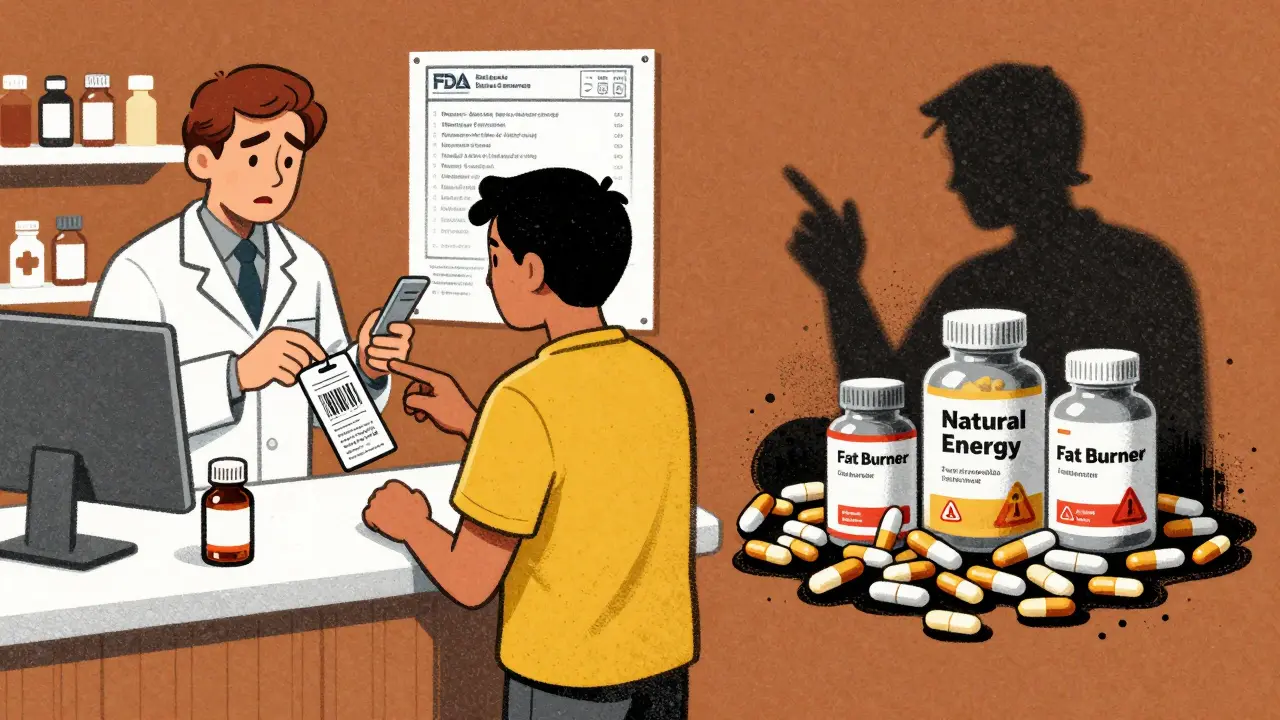
A 2023 Medscape poll found that 68% of doctors ignore drug safety alerts. Why? Too many of them. One doctor told me they get 67 alerts a week - but only 8 of them matter. Most are about minor side effects or drugs they never prescribe. That’s called alert fatigue. When the system screams too often, people stop listening.Patients aren’t much better. A Pew Research study found only 12% of U.S. adults know how to report a bad drug reaction. Most think it’s the doctor’s job. But if you don’t report it, the FDA doesn’t know. And if they don’t know, they can’t warn others.
Here’s what you can do: write down every medication you take - including vitamins and herbal pills. Keep it updated. When you get a new prescription, ask: “Has this been recalled or warned about recently?” If your pharmacist looks confused, ask them to check the FDA website. It’s not their job to remember every alert - but they can look it up in seconds.
What to Do When a Recall Hits
If you hear a drug you take has been recalled, don’t panic. Don’t stop cold turkey. Call your doctor or pharmacist first. Some recalls are about packaging errors - like a bottle labeled for 10mg but containing 50mg. Others are about contamination - like a batch of antibiotics with mold. The FDA’s recall notices tell you exactly what’s wrong and what to do.For serious recalls - like those with a Boxed Warning - you may need to switch meds. That’s not always easy. Some drugs take weeks to replace. Others have no direct alternative. Your doctor will help you navigate this. But you need to act fast. If you’re on a recalled blood thinner or heart medication, waiting even a few days can be dangerous.
Don’t throw away recalled drugs unless instructed. Some can be returned to the pharmacy for a refund. Others need special disposal. The FDA has a list of safe disposal sites on their website. Never flush pills down the toilet unless told to - it pollutes water supplies.
What’s Changing in Drug Safety
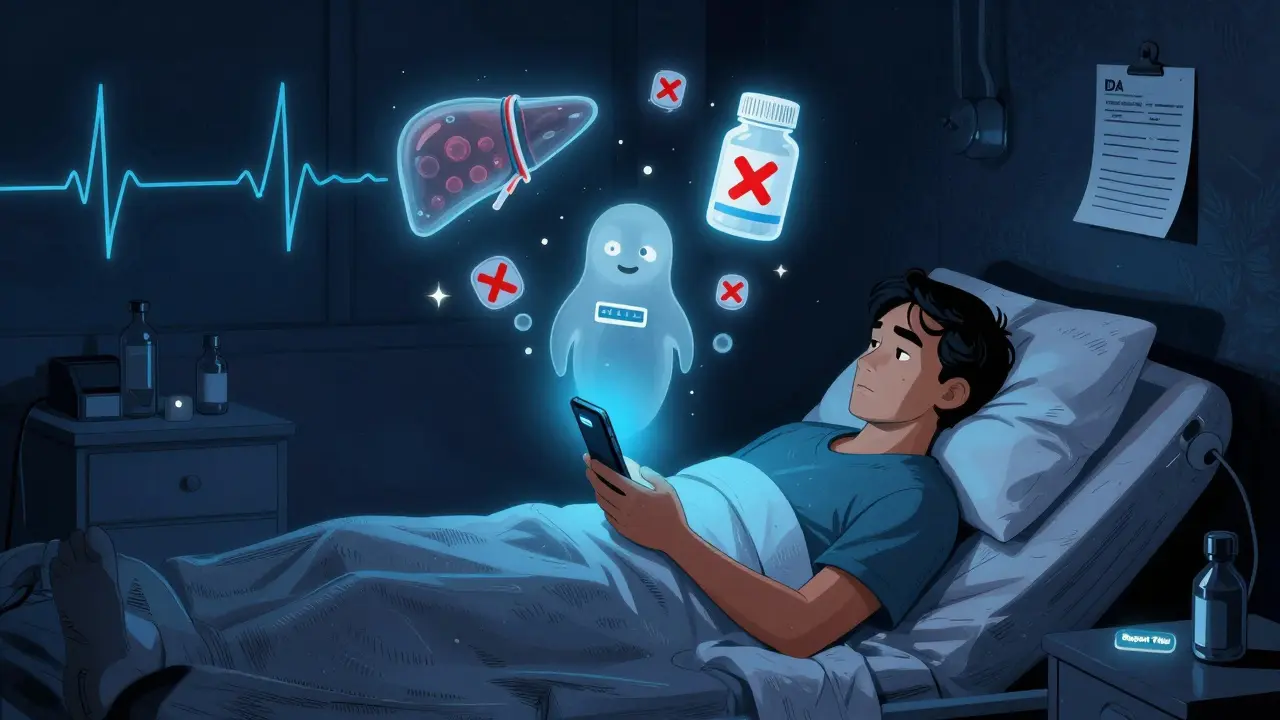
The FDA just launched an AI system in early 2023 that scans 1.2 billion patient records to spot hidden risks. It’s 40% faster than the old method. They’re also starting to monitor social media - reading 15 million posts a month for mentions of side effects. If someone says, “My blood pressure spiked after taking this new pill,” and 50 others say the same thing, the system flags it.Meanwhile, the WHO is expanding its global drug safety database to cover 155 countries. But here’s the problem: high-income countries like the U.S. report 212 adverse events per 100,000 people. In low-income countries, it’s 0.2 per 100,000. That means most global data comes from wealthy nations - even though most of the world’s population doesn’t live there.
For now, your best defense is simple: know your meds. Check for recalls every few months. Sign up for alerts. Report anything strange. You don’t need to be a doctor. You just need to care enough to pay attention.
How do I know if my medication has been recalled?
Check the FDA’s Drug Recalls page at fda.gov/drugs/drug-safety-and-availability/drug-recalls. You can search by drug name, company, or recall date. You can also sign up for free email alerts from the FDA’s Drug Safety Communications list. If you’re unsure, ask your pharmacist - they get daily recall updates and can check your prescriptions in seconds.
Can I report a bad reaction myself?
Yes. Anyone can report a bad drug reaction through the FDA’s MedWatch portal - online, by phone, or through the free MedWatch app. You don’t need a doctor’s note. Just describe what happened, what drug you took, and when. Even if you’re not sure it was the drug, report it. The FDA needs all the data to spot patterns. Over 21,000 consumer reports were submitted in 2022 - and some led to major safety changes.
Are all supplements safe until the FDA says otherwise?
No. Supplements are not tested for safety before they’re sold. The FDA only steps in after people get hurt. That means many risky supplements stay on shelves for months or years. In 2022, there were over 2,750 reports of bad reactions to supplements - but only 12 formal alerts. If a supplement claims to “boost energy,” “burn fat,” or “cure arthritis,” be extra careful. Look for third-party testing seals like USP or NSF. If it doesn’t have one, assume it’s unverified.
Why do doctors sometimes ignore safety alerts?
Because they get too many. A single doctor might receive 50-70 drug alerts per week - most of them about drugs they don’t prescribe or minor side effects. This leads to alert fatigue, where they start ignoring everything. A 2022 study found clinicians overrode 93% of electronic alerts. Hospitals that cut down alerts to only the most critical ones saw override rates drop from 92% to 41%. If your doctor says they didn’t see a recall, ask them to check the FDA site directly.
What should I do if I’m on a recalled drug?
Don’t stop taking it without talking to your doctor. Some recalls are about labeling errors or minor contamination - stopping suddenly could be more dangerous. Call your doctor or pharmacist. They’ll tell you if you need to switch meds, how to safely dispose of the old pills, and whether you need any tests. The FDA’s recall notice will say exactly what to do. If it says “stop immediately,” do it - but still call your provider right after.
Is the FDA’s system reliable?
It’s the best we have - but it’s not perfect. The system catches about 70-80% of serious drug risks within five years of launch. But because most reports come from the U.S., global risks may be missed. Also, underreporting is a huge problem - experts estimate 94% of serious side effects are never reported. That means some dangers stay hidden for years. Your reports matter. If you see something unusual, speak up.
Next Steps to Stay Safe
1. Go to fda.gov/medwatch and sign up for email alerts. It takes 2 minutes. 2. Download the MedWatch app on your phone. Set up push notifications. 3. Keep a printed or digital list of every medication you take - including doses and why you take them. 4. Ask your pharmacist to check your list against the latest FDA alerts every 6 months. 5. Report any side effect that feels wrong - even if you’re not sure. One report might save someone else’s life.You don’t need to be an expert to protect yourself. You just need to be aware. The system works - but only if you’re part of it.
15 Comments
Lori Anne FranklinDecember 25, 2025 AT 20:33
OMG I just signed up for the FDA email alerts after reading this. I’ve been taking that weird sleep supplement for months and never thought to check. Holy crap I’m glad I did.
josue robert figueroa salazarDecember 27, 2025 AT 04:17
Stop taking supplements. Done. Next.
Prasanthi KontemukkalaDecember 27, 2025 AT 21:29
This is so important, especially for people who don’t have easy access to doctors. I’m from India and we rely a lot on over-the-counter meds and herbal stuff. Knowing how to check recalls could literally save lives here. Thanks for laying it out so clearly.
david jacksonDecember 28, 2025 AT 22:04
It’s wild how the FDA’s new AI system is scanning 1.2 billion patient records and 15 million social media posts a month, yet the system still depends entirely on individual people remembering to report that weird dizziness they got after taking a pill they bought off Amazon. The tech is advanced, but the human input is still the weakest link. And honestly? Most people don’t even know what ‘adverse event’ means. They just think, ‘Hmm, my stomach hurts,’ and blame the tacos.
Also, why does every single alert feel like it’s screaming at me in Comic Sans? The design is just as much of a problem as the content. If you’re trying to get people to pay attention, stop making it look like a 2003 MySpace page.
And don’t even get me started on how doctors are drowning in alerts. I once got a notification about a drug I hadn’t prescribed since 2017. It was about a side effect that only happens if you’re allergic to glitter. I swear to god, someone programmed this system using a drunk intern’s to-do list.
But here’s the real kicker - the global data gap. We’re monitoring side effects in the U.S. like it’s a Hollywood blockbuster, while in places like Nigeria or Bangladesh, people are dying from contaminated meds and no one even knows their names. The FDA’s system is brilliant - but it’s also a luxury. And that’s not justice. That’s geography.
So yeah, sign up for the alerts. Report your weird symptoms. But also, demand that this system be expanded globally. Not because it’s nice. Because it’s necessary.
Jeanette JeffreyDecember 30, 2025 AT 13:11
Of course the FDA only acts after people die. That’s capitalism. Profit before people. You think they’d recall a drug before it kills? Nah. They wait for the lawsuits to pile up first. Then they slap a Band-Aid on it and call it ‘proactive.’
And supplements? Please. The FDA doesn’t regulate them because the supplement industry spends more on lobbying than the entire CDC budget. You think that’s a coincidence? Wake up.
christian ebongueDecember 31, 2025 AT 14:35
lol i reported my cousin’s weird rash after she took that ‘natural’ weight loss pill. got a thank you email. 3 months later it got pulled. small wins.
Ryan ChengJanuary 2, 2026 AT 12:55
I keep a printed list of everything I take - pills, gummies, turmeric shots, even that CBD oil I got from the gas station. I show it to my pharmacist every time I pick something up. They don’t always check, but when they do, they’re shocked I even have one. If you’re on more than three meds, do this. It’s not extra. It’s survival.
carissa projoJanuary 2, 2026 AT 16:00
I used to think drug recalls were for other people. Then my mom had a bad reaction to a generic blood pressure med - turned out the batch had a contaminant from a factory in China. The FDA only caught it because three other people in our town had the same issue. We reported it. They listened. That’s the power of just one voice.
Don’t wait for a headline. Don’t wait for your doctor to say something. If something feels off - even if it’s just ‘I feel weird after taking this’ - write it down. Report it. It doesn’t have to be dramatic. It just has to be real.
And if you’re reading this and you’re scared to speak up? You’re not alone. But your silence is what lets dangerous stuff keep selling.
One report might not change the world. But ten thousand? That’s how change starts.
My mom’s fine now. She’s on a different med. And she’s still alive. That’s all that matters.
Alex RagenJanuary 4, 2026 AT 02:40
One must consider the epistemological implications of pharmacovigilance: the FDA’s system, while ostensibly empirical, remains fundamentally anthropocentric - reliant on the fallible, distracted, and often apathetic human observer. One wonders whether a truly rational system would be algorithmically autonomous, yet such a notion is antithetical to the neoliberal commodification of health. Thus, we are trapped in a paradox: the very mechanism designed to protect us is undermined by the very subjects it seeks to empower. The solution? Abolish the patient-reporting paradigm. Replace it with mandatory biometric monitoring via smartwatches. Then, and only then, shall truth emerge from data.
Dan AlatepeJanuary 5, 2026 AT 12:57
Bro. I took that ‘energy booster’ from the gas station. Felt like my heart was trying to escape my chest. Didn’t report it. Thought I was just anxious. Then I saw the recall. Now I’m here. Scared. But also… kinda proud I didn’t die. 🤡
Joanne SmithJanuary 6, 2026 AT 17:21
Fun fact: the FDA doesn’t test supplements. But they *do* test how many people click on their recall pages. Spoiler: not enough. You think they care about your liver? They care about your clicks. Report your side effects. Not for them. For the next person who Googles ‘why do I feel like I’m dying after this pill’.
Matthew IngersollJanuary 7, 2026 AT 04:03
My dad’s on six meds. I print out every FDA alert and tape it to the fridge. He doesn’t read them. I read them for him. Someone’s gotta do it. This isn’t healthcare. It’s a full-time job.
Bryan WoodsJanuary 7, 2026 AT 14:50
Interesting read. The systemic underreporting issue is well-documented in peer-reviewed literature. The gap between actual adverse events and reported ones is staggering. A 2021 BMJ study estimated a 96% underreporting rate for non-fatal events. Structural changes are needed - not just individual vigilance.
wendy parrales fongJanuary 9, 2026 AT 11:00
I didn’t know you could report stuff yourself. I thought only doctors could. I’m gonna report that weird headache I got after taking that new vitamin. I don’t even know if it’s related. But better safe than sorry, right?
Jody KennedyJanuary 10, 2026 AT 07:17
Y’all need to download the MedWatch app. Like, right now. I got a push notification last week about a recall on my blood thinner. I called my doctor before lunch. Saved my life. No cap.