Hypoglycemia Risk Calculator
Understand Your Risk
This tool helps you assess your risk of hypoglycemia when drinking alcohol while taking diabetes medications. Based on your inputs, it will calculate your current risk level and provide personalized recommendations.
Drinking alcohol while taking diabetes medication isn’t just a bad idea-it can be dangerous, even life-threatening. If you’re on insulin, sulfonylureas, or metformin, alcohol doesn’t just add empty calories. It messes with your liver, your blood sugar, and your ability to recognize when something’s seriously wrong. And the worst part? Many people don’t realize they’re at risk until it’s too late.
Why Alcohol Causes Low Blood Sugar
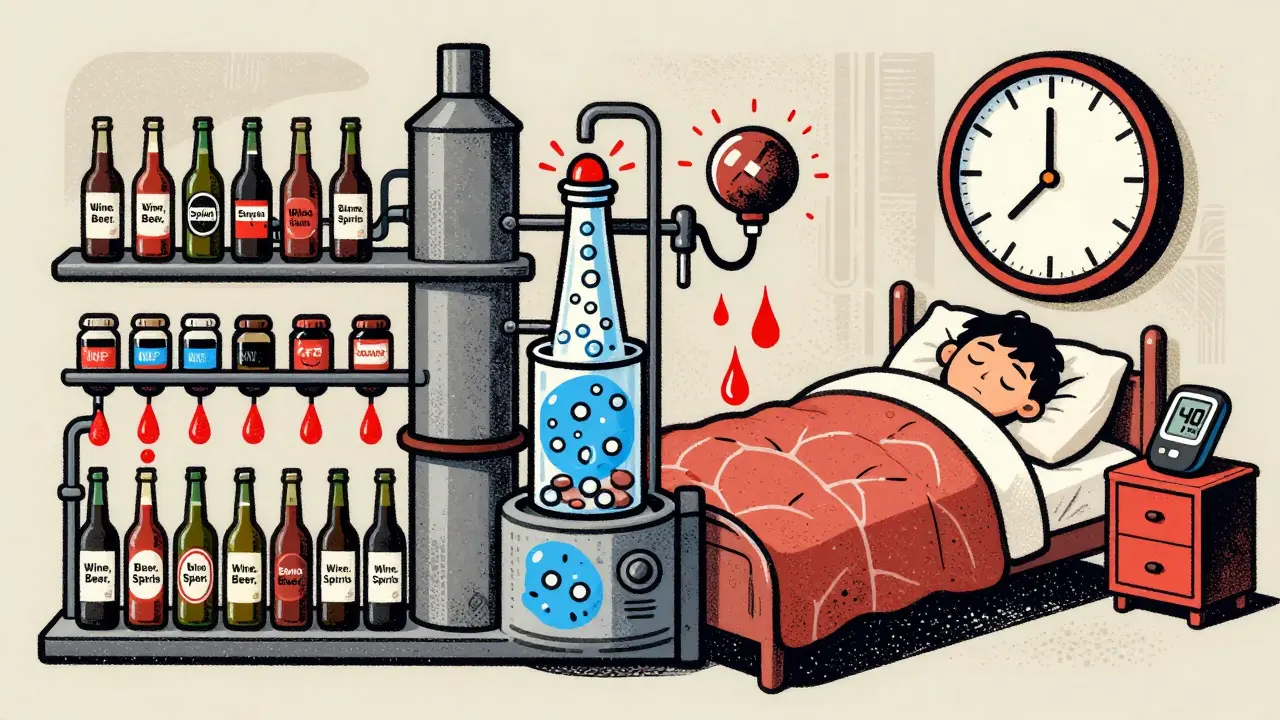
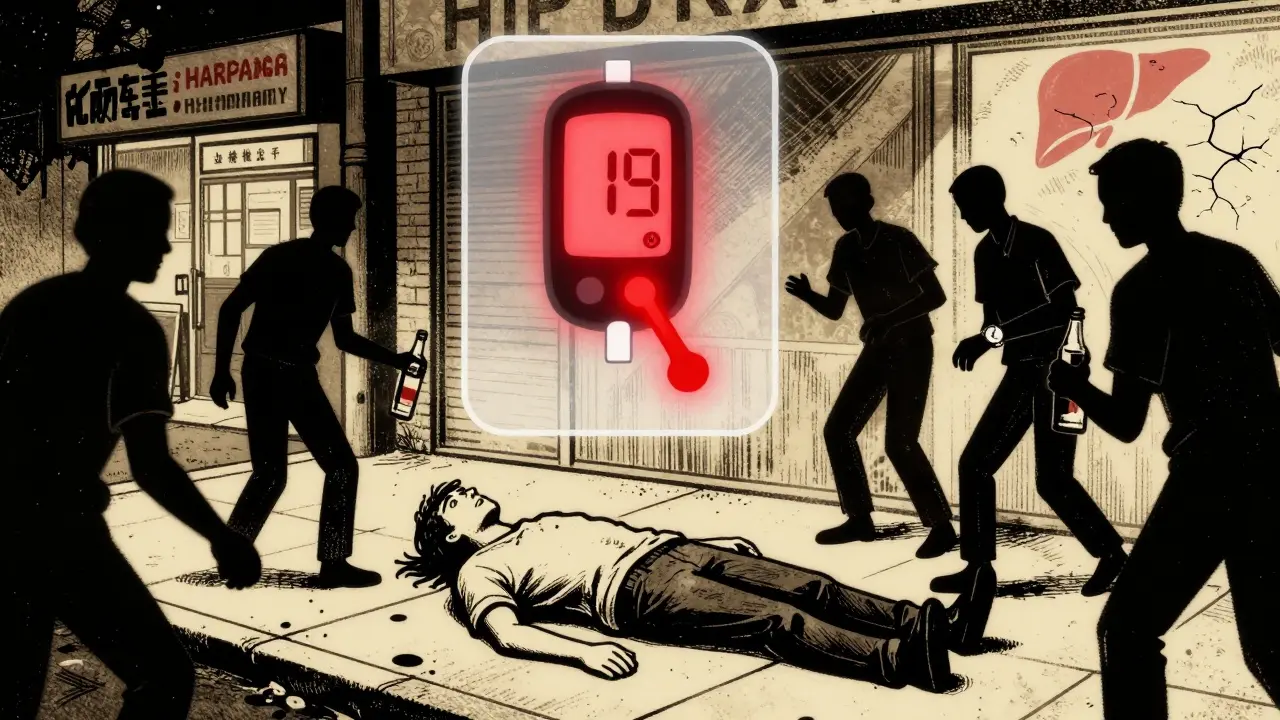
Your liver does two big jobs at once: it stores glucose to keep your blood sugar steady, and it breaks down alcohol. When you drink, your liver drops everything else to handle the alcohol. That means it stops releasing glucose into your bloodstream. If you’re taking insulin or a sulfonylurea like glipizide or glyburide, your body is already pushing to lower blood sugar. Add alcohol, and you’re stacking two forces that drive glucose down-fast.This isn’t just a problem right after drinking. Hypoglycemia can hit hours later, especially if you’ve been active, skipped a meal, or drank on an empty stomach. People have woken up in the middle of the night with blood sugar at 40 mg/dL because their liver was still busy processing alcohol. And here’s the scary part: the symptoms of low blood sugar-dizziness, confusion, slurred speech, sweating, weakness-look exactly like being drunk. If you pass out after a few drinks, no one knows if you’re intoxicated… or in a diabetic emergency.
Metformin and Alcohol: A Silent Threat
Metformin is one of the most common diabetes meds, and many assume it’s safe to drink with. But it’s not harmless. Both metformin and alcohol are processed by the liver. When you combine them, you increase the risk of lactic acidosis-a rare but serious condition where lactic acid builds up in your blood. It’s not common, but it’s deadly when it happens.Even if you don’t develop lactic acidosis, the side effects pile up. Metformin already causes stomach upset: nausea, bloating, diarrhea. Alcohol does the same. Together? You’re looking at severe cramping, vomiting, and loss of appetite. Some people think, “I’ll just drink a glass of wine,” but even one drink can make these symptoms worse, especially if you’re older, have kidney issues, or drink quickly.
And let’s not forget: some metformin extended-release tablets were pulled from the U.S. market in 2020 due to a cancer-causing contaminant. While that’s unrelated to alcohol, it shows how sensitive these medications are to quality, dosage, and how your body handles them. If your body is already under stress from alcohol, you don’t need extra risks.
How Alcohol Damages Your Liver Over Time
Your liver is your body’s chemical factory. It filters toxins, makes glucose, stores vitamins, and breaks down drugs. Alcohol doesn’t just tax it-it can break it. Chronic drinking leads to fatty liver, then inflammation (alcoholic hepatitis), and eventually cirrhosis. Once your liver is scarred, it can’t regulate blood sugar properly. That means your diabetes gets harder to control, and your meds stop working as well.Metformin is usually safe for people with mild liver disease. But if you’re drinking regularly, your liver is already damaged. The combination can speed up decline. Studies show that people with type 2 diabetes who drink heavily are twice as likely to develop advanced liver disease compared to non-drinkers with diabetes. And once cirrhosis sets in, your options for diabetes treatment shrink. Some meds become unsafe. Your doctor may have to switch you to insulin-something you might not have needed if you’d cut back on alcohol earlier.
What Drinks Are Safer? (And What to Avoid)
Not all alcohol is created equal. Sugary mixers-tonic water, juice, soda, sweet cocktails-spike your blood sugar, then crash it later. That rollercoaster is worse than just drinking alcohol alone.Here’s what to choose instead:
- Light beer (under 100 calories per 12 oz)
- Dry white or red wine (5 oz serving)
- Hard seltzer with no added sugar
- Distilled spirits (vodka, gin, whiskey) with soda water and lime
Avoid:
- Margaritas, piña coladas, daiquiris
- Beer with high carbs (lagers, stouts)
- Pre-mixed cocktails with syrup or juice
- Wine coolers and sweet dessert wines
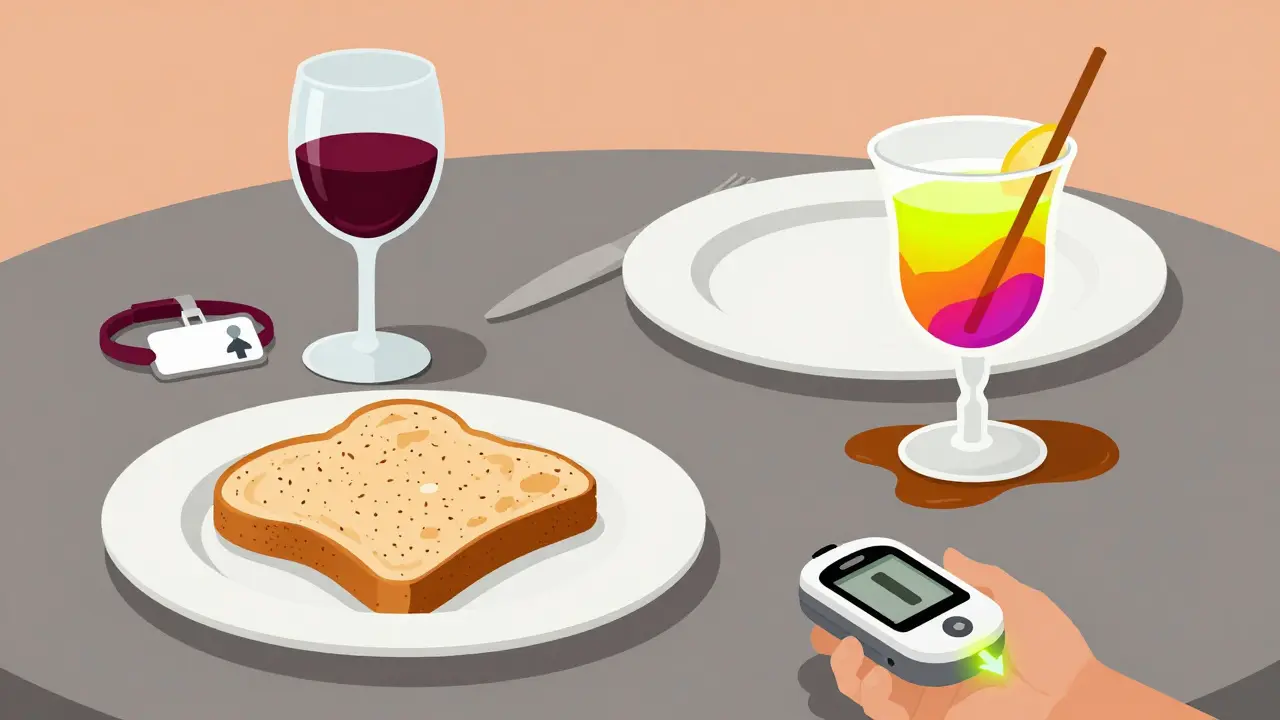
And always eat something with carbs before and while drinking. A slice of whole grain toast, a small apple, or a handful of crackers can give your liver something to work with besides alcohol. Don’t rely on your blood sugar to stay stable on an empty stomach.
How to Drink Safely-If You Choose To
The American Diabetes Association doesn’t say “never drink.” They say: know your risks. If you’re going to drink, follow these rules:- Check your blood sugar before you start. If it’s below 100 mg/dL, eat first.
- Drink slowly. Don’t chug. Space drinks out over hours.
- Always eat food with alcohol. Never drink on an empty stomach.
- Set an alarm to check your blood sugar 3-4 hours after your last drink. Nighttime lows are common.
- Wear a medical ID bracelet. If you collapse, someone needs to know you have diabetes.
- Tell a friend you have diabetes. Teach them the signs of low blood sugar-because you might not be able to speak clearly if it happens.
- Limit to one drink per day for women, two for men. That’s it.
One drink means: 12 oz beer, 5 oz wine, or 1.5 oz distilled spirits. That’s not a pint of beer. Not a large glass of wine. Not a double whiskey.
What If You Don’t Know You’re Having Low Blood Sugar?
Some people with diabetes lose the ability to feel when their blood sugar drops. This is called hypoglycemia unawareness. It’s more common in people who’ve had diabetes for years, take insulin, or have nerve damage. If you have this, drinking alcohol is extremely risky.Without warning signs, you won’t know you’re going low until you’re confused, shaking, or unconscious. That’s why continuous glucose monitors (CGMs) like Dexcom G7 or FreeStyle Libre 3 are so valuable. They don’t detect alcohol, but they show you how your blood sugar trends after drinking. If your numbers drop slowly overnight, you’ll get an alert. That’s a lifesaver.
Many people in online diabetes communities say they’ve been saved by CGM alerts after drinking. One user posted: “I had two glasses of wine, went to bed, woke up at 3 a.m. with my CGM screaming ‘LOW.’ I drank juice and lived. Without it, I’d have been in the hospital.”
Why Most Doctors Don’t Talk About This
You’d think your doctor would bring this up. But a 2021 study found only 43% of primary care doctors routinely ask diabetic patients about alcohol use. That’s a huge gap. You might be told to avoid sugar, count carbs, exercise-but no one says, “Don’t drink wine with your metformin.”That’s on you to bring it up. Bring your medication list. Say: “I’m thinking about having a drink on weekends. Is that safe with what I’m taking?”
Diabetes educators are getting better at this. 89% now include alcohol in patient education. But if your doctor doesn’t mention it, don’t assume it’s fine. Ask.
When to Say No
There are times when drinking is simply not worth the risk:- You’ve had low blood sugar in the past 24 hours
- You have liver disease, even mild
- You have nerve damage (neuropathy)-alcohol makes it worse
- You’re pregnant or trying to get pregnant
- You’re taking metformin and have kidney problems
- You’re not sure how your body reacts to alcohol
If any of these apply to you, skip it. No one’s judging. Your health isn’t a gamble.
Final Thought: It’s Not About Perfection
You don’t have to give up alcohol forever to manage your diabetes well. But you do need to treat it like a medication-with caution, timing, and awareness. A single glass of dry wine with dinner, if you’re careful, might be okay. Three beers after work, every night? That’s not a lifestyle. It’s a health hazard.Your liver doesn’t get weekends off. Your blood sugar doesn’t take a break. And if you’re on diabetes meds, your body doesn’t have the luxury of ignoring what you put in it.
Can I drink alcohol if I take metformin?
You can, but only with extreme caution. Metformin and alcohol both stress the liver and can increase the risk of lactic acidosis, a rare but serious condition. Even moderate drinking can worsen stomach side effects like nausea and cramping. If you choose to drink, limit it to one drink per day, always eat food first, and avoid binge drinking. Talk to your doctor if you have kidney or liver issues.
Why does alcohol cause low blood sugar in people with diabetes?
Your liver prioritizes breaking down alcohol over releasing stored glucose. If you’re on insulin or sulfonylureas, your body is already lowering blood sugar. Alcohol stops the liver from compensating, which can cause blood sugar to drop dangerously low-even hours after your last drink. This is especially risky if you haven’t eaten or if you’ve been active.
What are the signs of low blood sugar from alcohol?
They look just like being drunk: confusion, slurred speech, dizziness, sweating, weakness, or trouble walking. This makes it hard for others-and sometimes you-to tell if you’re intoxicated or having a diabetic emergency. If you’re unsure, check your blood sugar. If you can’t check, assume it’s low and treat it with fast-acting sugar.
Is red wine safe for people with diabetes?
Dry red wine in moderation (one 5 oz glass) is generally safer than sweet wines or cocktails because it has less sugar. But it still affects your liver and blood sugar. Always drink with food, check your levels before and after, and avoid drinking daily. Don’t assume red wine is “healthy”-it still carries risks.
Can alcohol make diabetes worse over time?
Yes. Heavy drinking can lead to fatty liver, inflammation, and cirrhosis, which makes blood sugar control harder. It can also increase insulin resistance and raise triglycerides. Over time, this can lead to more complications, higher medication doses, or even the need for insulin. Alcohol doesn’t just affect your night out-it affects your long-term health.
Should I use a continuous glucose monitor (CGM) if I drink alcohol?
If you’re at risk for low blood sugar, especially at night, a CGM is one of the best tools you can use. It won’t detect alcohol, but it will show you when your blood sugar drops hours after drinking. Many people with diabetes say CGMs have saved them from nighttime lows they didn’t feel coming. If you’re on insulin or sulfonylureas, it’s strongly recommended.
What should I do if I think I’m having alcohol-induced hypoglycemia?
Don’t wait. If you feel dizzy, confused, or weak after drinking, treat it like low blood sugar-immediately. Take 15 grams of fast-acting sugar: 4 glucose tablets, ½ cup of juice, or 1 tablespoon of honey. Wait 15 minutes, then check your blood sugar. If it’s still low, repeat. Call for help if you can’t treat yourself or if symptoms get worse.
10 Comments
Christopher KingDecember 26, 2025 AT 07:35
They don't want you to know this but Big Pharma and the ADA are in bed with the alcohol industry. They're selling you 'safe' wine like it's medicine while hiding the truth: alcohol is a neurotoxin designed to keep diabetics dependent. CGMs? Just another profit loop. They want you addicted to tech because real healing means giving up booze, sugar, AND their drugs. Wake up.
Bailey AdkisonDecember 27, 2025 AT 05:16
Metformin and alcohol do not cause lactic acidosis in healthy individuals. The risk is negligible. The real danger is misinformation. You don't need to 'avoid' wine. You need to understand your physiology. Your liver doesn't care if it's ethanol or glucose. It processes both. Stop fearmongering.
Michael DillonDecember 28, 2025 AT 21:49
Look I get the warnings but I've been drinking dry red wine with my metformin for 12 years. My A1c is 5.8. My liver enzymes are normal. I eat before I drink. I check my glucose. I don't chug. This article reads like a scare tactic from a nutrition blogger who's never had a glass of wine. Chill out.
Katherine BlumhardtDecember 30, 2025 AT 03:29
OMG I just had a glass of wine last night and my CGM went nuts 😱 I thought I was gonna die but I ate a banana and it went back up 🙏 thank you for this post I'm never drinking again unless I have a glucose monitor on me 24/7 💕
sagar patelDecember 30, 2025 AT 05:47
Alcohol is not the enemy. Poor diet and insulin resistance are. If you drink and eat carbs you will have issues. If you drink and eat protein and fat your body manages it fine. Stop blaming alcohol. Blame the American diet. The liver is not fragile. It's been processing toxins since humans started drinking.
Linda B.December 31, 2025 AT 16:54
Of course the American Diabetes Association says 'moderate drinking is acceptable.' They're funded by pharmaceutical companies who profit from complications. The real reason they don't say 'don't drink' is because insulin sales would plummet if people actually healed their insulin resistance. Alcohol is the scapegoat. The real villain is the processed food industry.
Carlos NarvaezJanuary 1, 2026 AT 15:07
Wine with dinner. One glass. Always. No drama. No fear. Just facts. Your liver handles it. Your pancreas handles it. Your brain handles it. Stop overcomplicating.
Harbans SinghJanuary 2, 2026 AT 11:25
Hey I'm from India and we've been drinking toddy and rice beer with meals for centuries. My grandfather had type 2 and drank daily. He lived to 89. Maybe it's not the alcohol but how you eat with it? I think the real issue is drinking on an empty stomach and mixing with sugary drinks. Maybe we need to look at cultural patterns too?
Zabihullah SalehJanuary 2, 2026 AT 11:37
There's a deeper truth here: we treat our bodies like machines that can be optimized with rules. But the liver isn't a factory. It's a living organ that adapts. The fear around alcohol and diabetes reflects our cultural anxiety about control. Maybe the real question isn't 'can I drink?' but 'why do I feel like I need to?'
Oluwatosin AyodeleJanuary 4, 2026 AT 02:45
You people are overreacting. I've been on metformin for 8 years. I drink beer every Friday. I don't use a CGM. I don't check my sugar. I eat jollof rice with my drinks. I'm fine. If you're weak, don't drink. But don't scare others with your anxiety. This is Africa, not Silicon Valley. Your body knows what to do if you stop treating it like a lab rat.