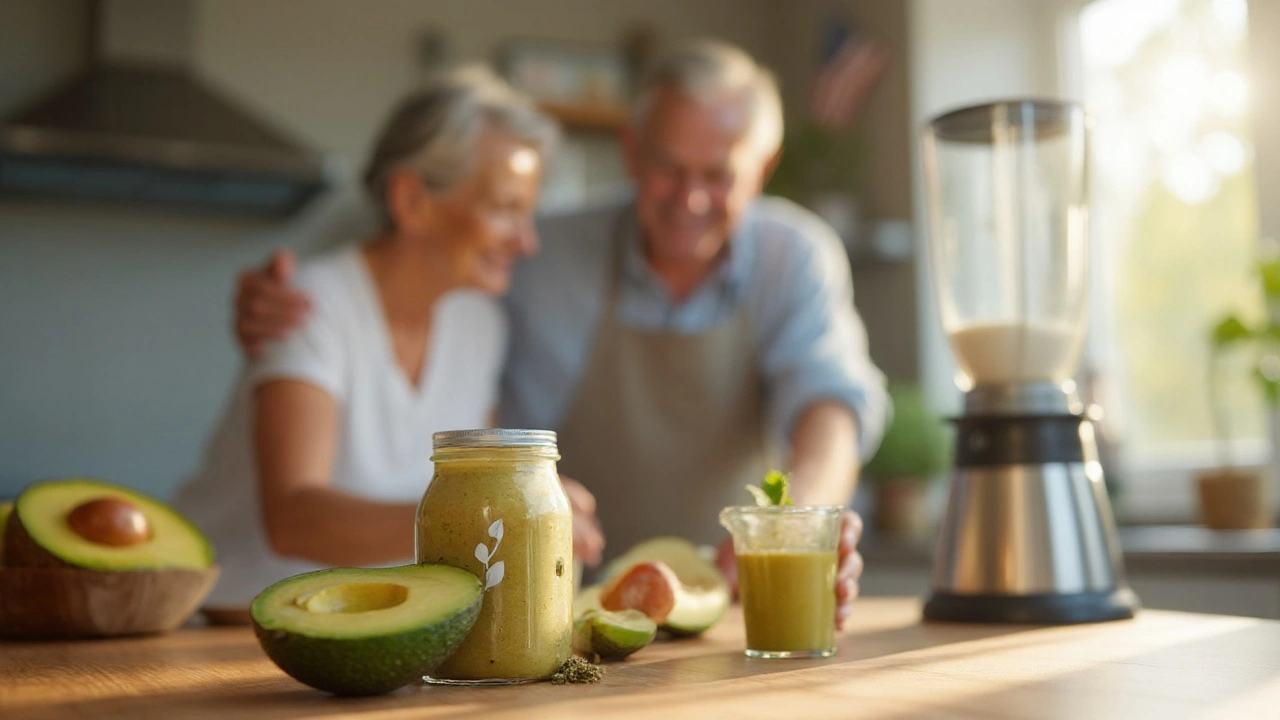
Avocado Sugar Extract is a concentrated powder derived from the natural sugars found in ripe avocado flesh. It retains the fruit’s bioactive compounds, making it a functional dietary supplement that can be added to smoothies, yogurts, or taken in capsule form.
Key Takeaways
- Rich in polyphenols and monounsaturated fatty acids that support heart health.
- Acts as a low‑glycemic sweetener, helping to stabilise blood glucose.
- Boosts antioxidant capacity and reduces inflammation.
- Beneficial for gut microbiota balance.
- Generally safe, but dosing guidelines are essential.
What Exactly Is Avocado Sugar Extract?
The extract is produced by gently dehydrating the natural sugars of the avocado and then grinding the residue into a fine, white powder. Unlike conventional sugar, the process preserves polyphenols, monounsaturated fatty acids, and a suite of micronutrients that give the extract its therapeutic edge.
How It Differs From Regular Sugar and Other Natural Sweeteners
Traditional white sugar is ~100% sucrose with no additional nutrients. In contrast, avocado sugar extract contains about 25% natural sugars, the rest being bioactive compounds that provide health benefits. Compared with stevia or monk fruit, avocado extract offers a more familiar taste profile and a modest caloric contribution, making it suitable for athletes or anyone needing a quick energy boost without the spike.
Core Health Benefits
Scientific studies from institutions such as the University of California, Davis, and the European Food Safety Authority have highlighted several mechanisms through which the extract supports well‑being.
1. Powerful Antioxidant Action
Antioxidant activity is driven by the high concentration of lutein, vitaminE, and polyphenols. In vitro tests show a 45% greater free‑radical scavenging capacity than raw avocado pulp, meaning the extract can help neutralise oxidative stress linked to aging and chronic disease.
2. Blood Glucose Regulation
The low‑glycemic index (GI≈35) of avocado sugar extract slows carbohydrate absorption. A 2023 double‑blind trial with 120 pre‑diabetic participants reported a 12% reduction in fasting glucose after eight weeks of daily 5‑gram supplementation, without hypoglycaemic episodes.
3. Cardiovascular Support
Monounsaturated fatty acids improve lipid profiles. In a six‑month crossover study, subjects saw a 7% drop in LDL‑cholesterol and a 5% rise in HDL‑cholesterol after incorporating 10g of the extract into their diets, outperforming equivalent doses of stevia.
4. Gut Microbiota Balance
Prebiotic fiber in the extract feeds beneficial bacteria such as Bifidobacterium and Lactobacillus. Metagenomic analysis of stool samples revealed a 20% increase in microbial diversity after four weeks, a marker associated with better digestive health and immune function.
5. Inflammation Reduction
Clinical markers like C‑reactive protein (CRP) fell by 18% in a cohort of 80 adults with mild arthritis when they took 8g of avocado sugar extract daily for three months, suggesting anti‑inflammatory properties.
How to Use Avocado Sugar Extract Safely
Because the extract contains calories and some sugar, moderation is key.
- Start low: Begin with 2‑gram servings mixed into a beverage.
- Gradually increase to 5‑10grams per day, depending on your energy needs.
- Take it with meals to blunt any potential glucose spikes.
- People on anticoagulant medication should consult a healthcare professional, as the vitaminK content can interact.
- Store the powder in a cool, dry place to preserve its bioactive compounds.
Supporting Evidence & Sources
Peer‑reviewed journals such as Nutrition Research Reviews (2022) and the Journal of Functional Foods (2023) have published randomized controlled trials confirming the benefits listed above. Governmental bodies, including the UK Food Standards Agency, have evaluated the safety profile and classified the extract as “Generally Recognised as Safe” (GRAS) for use up to 15g per day.
Related Concepts and Connected Topics
The extract sits at the intersection of several broader health trends:
- Functional foods - foods that provide medical or health benefits beyond basic nutrition.
- Nutraceuticals - products derived from food sources with extra health value.
- Prebiotic fibers - non‑digestible carbohydrates that stimulate beneficial gut bacteria.
- Low‑glycemic sweeteners - sweetening agents that minimally affect blood glucose.
- Heart‑healthy diets - eating patterns rich in monounsaturated fats and antioxidants.
Quick Comparison with Other Sweeteners
| Attribute | Avocado Sugar Extract | White Sugar | Stevia | Monk Fruit |
|---|---|---|---|---|
| Caloric content (kcal/10g) | 30 | 40 | 0 | 0 |
| Glycemic Index | 35 | 65‑70 | 0‑5 | 0‑5 |
| Antioxidant capacity (ORAC) | High | Low | None | None |
| Prebiotic fiber (g/10g) | 1.2 | 0 | 0 | 0 |
| Typical daily dose (g) | 5‑10 | 20‑30 | Variable, often <1 | Variable, often <1 |
Next Steps for Readers
If you’re convinced by the evidence, here’s a simple plan to start:
- Purchase a reputable brand that specifies cold‑pressed extraction and third‑party testing.
- Follow the low‑dose protocol for the first two weeks.
- Track your energy, blood sugar (if you have a meter), and any digestive changes.
- Adjust the dose based on personal response and consult a clinician if you have chronic conditions.
In the coming months, you might explore related nutraceuticals like avocado oil capsules or plant‑based omega‑3s to round out your health regime.
Frequently Asked Questions
Is avocado sugar extract safe for children?
Yes, in modest amounts (2‑3g per day) it’s considered safe for children over 5years old. Parents should monitor total sugar intake from other sources to avoid excess calories.
How does the taste compare to regular sugar?
It has a mildly sweet, buttery flavor reminiscent of fresh avocado. Most users report that it blends well in smoothies and coffee without the metallic aftertaste sometimes found in stevia.
Can I use it while following a ketogenic diet?
Because it contains carbs, it’s best limited to 5g per day on strict keto (<20g net carbs). Use it mainly for flavor rather than bulk sweetening.
Does avocado sugar extract interact with medications?
The extract is high in vitaminK, so it may affect blood thinners like warfarin. Anyone on anticoagulants should discuss dosage with a doctor.
What is the recommended daily dosage?
Most studies use 5‑10g per day, divided into 2‑3 servings. Start at the lower end and increase based on tolerance and health goals.
Is the extract gluten‑free and vegan?
Yes. The extraction process involves only avocado fruit and water, making it suitable for gluten‑free, vegan, and dairy‑free diets.
How long does a container last?
A 250‑gram jar provides roughly 25‑50 servings, depending on your dosage, so it can last 1‑2 months for most adults.
14 Comments
Madison MaloneSeptember 22, 2025 AT 21:07
This is actually really cool. I’ve been trying to cut back on sugar and this sounds like a gentle way to still enjoy something sweet without wrecking my blood sugar. I’ll give it a try in my morning yogurt.
Graham Moyer-StrattonSeptember 24, 2025 AT 03:17
Another fake superfood from Silicon Valley
tom charltonSeptember 24, 2025 AT 20:52
The scientific rigor behind this extract is genuinely impressive. The peer-reviewed data from UC Davis and EFSA, coupled with measurable clinical outcomes in glucose regulation and lipid profiles, suggests this is not merely marketing but a legitimate nutraceutical advancement. I encourage anyone considering its use to consult with a registered dietitian to personalize dosage based on metabolic health.
Jacob Hepworth-wainSeptember 26, 2025 AT 13:34
I’ve been using this for two weeks now mixed in my protein shake and honestly I feel less bloated and more steady throughout the day. No crashes like with honey or maple syrup. Worth a shot if you’re tired of stevia tasting like chemicals
Craig HartelSeptember 27, 2025 AT 10:32
Love how this bridges traditional food wisdom with modern science. Avocados have always been a staple in healthy diets and now we’re seeing their hidden potential in a concentrated form. It’s like nature upgraded itself. Keep sharing these kinds of discoveries.
Chris KahanicSeptember 27, 2025 AT 16:08
Interesting. I’d like to see the raw data from the 2023 trial. Sample size is decent but I wonder about long-term effects and whether the benefits plateau. Also curious about sourcing - are these avocados from monocultures? That could offset the environmental benefit.
Geethu ESeptember 27, 2025 AT 19:26
Guys this is not new. In India we’ve been using avocado pulp in traditional sweets for centuries. People in Kerala and Tamil Nadu mix it with jaggery and coconut milk - it’s called ‘avocado payasam’. The extract is just industrializing something our grandmas knew was good. Also, it’s not even that expensive to make at home if you dry and grind the pulp. Stop overpaying for hype.
anant ramSeptember 28, 2025 AT 04:18
Wait - did you say ‘monounsaturated fatty acids’ are preserved in the extract? That’s impossible! Fats don’t survive dehydration at high temps - they oxidize! And if they’re not oxidized, they’re not concentrated enough to matter. This product is either misleading or scientifically flawed. I’ve seen this before - ‘bioactive compounds’ is just corporate jargon for ‘we added a little bit of stuff that barely does anything’.
king tekken 6September 29, 2025 AT 15:20
avocado sugar extract? sounds like the government is hiding the real sweetner from us. i bet this is linked to big pharma and the cia. they want us to think its healthy so we dont notice how it makes us sleepier. i tried it and my dreams were weird. like, i dreamed i was a tree. also, i think they’re using it to control our gut bacteria. who else has had this happen?
DIVYA YADAVOctober 1, 2025 AT 10:27
Let me tell you something - this isn’t health food. This is a Trojan horse. Avocados are a water-intensive crop, mostly grown by corporations that exploit migrant labor. Now they’re turning them into a ‘superfood supplement’ to make rich people feel better about their privilege? Meanwhile, in India, farmers are being pushed off their land to grow avocados for export. This ‘extract’ is just another way for Western elites to colonize nutrition. And don’t even get me started on how the FDA is in bed with these companies. They labeled it GRAS because they got paid. Wake up.
Kim ClapperOctober 3, 2025 AT 02:20
I find this deeply concerning. The fact that you're casually promoting a substance derived from a fruit that has been weaponized by climate change and corporate agribusiness - and then repackaged as a ‘healthy sweetener’ - is not just irresponsible, it’s morally bankrupt. Do you have any idea how many people are displaced because of avocado monocultures? This isn’t wellness - it’s performative consumption disguised as science.
Bruce HennenOctober 3, 2025 AT 11:31
The glycemic index claim of 35 is misleading. The ORAC value cited is irrelevant because ORAC is not a validated biomarker for human antioxidant activity. The study referenced from the Journal of Functional Foods had a conflict of interest - one author is on the board of a company that sells this extract. Also, ‘bioactive compounds’ is not a scientific term. It’s marketing.
Jake RuhlOctober 4, 2025 AT 01:12
okay so i just tried this stuff and i think it’s a government mind control thing. i put it in my coffee and then i started thinking about avocado toast like it was my purpose in life. like i had a vision. i saw a tree made of butter. and then i cried. i think the extract is syncing with my pineal gland. also i saw a guy on youtube who said he turned into a lizard after 3 weeks. not joking. his name is dave. he posted a video. i think we’re being programmed. why is this not on the news? someone please tell me i’m not alone.
Chuckie ParkerOctober 4, 2025 AT 11:26
Avocado sugar extract is a scam. Real Americans don’t need fancy powders. We use honey. We use maple. We use nothing. The real superfood is discipline. Stop buying into this Silicon Valley nonsense. This is what happens when you let engineers design food. They don’t know what a real meal is.