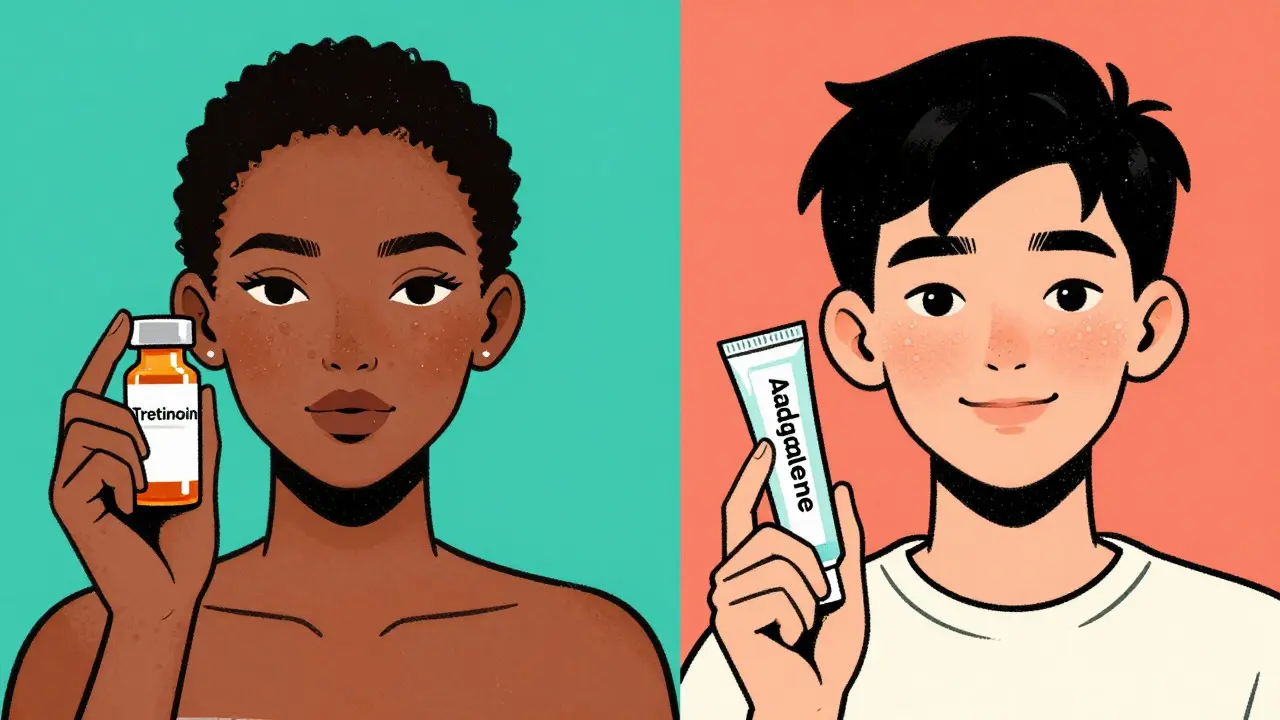
Retinoids are the gold standard in dermatology for treating acne and reversing signs of aging. Yet, choosing between tretinoin and adapalene can feel overwhelming. Both improve skin texture and clarity, but they work differently, cause different side effects, and suit different goals. Understanding these differences helps you pick the right product for your skin type and concerns.
What Are Retinoids?
Retinoids are derivatives of vitamin A that accelerate cell turnover and stimulate collagen production. They bind to specific receptors in your skin cells, triggering changes at a molecular level. This process unclogs pores, reduces inflammation, and smooths fine lines. The two most common topical retinoids are tretinoin and adapalene, each with unique properties.
Tretinoin: The First-Generation Powerhouse
Tretinoin is the original prescription retinoid, synthesized in 1954 by Dr. Albert Kligman and Dr. James Fulton. It received FDA approval in 1971 under the brand name Retin-A. Tretinoin works on both the surface and deeper layers of the skin, making it highly effective for photoaging and severe acne. It is available in concentrations ranging from 0.01% to 0.1%, typically in cream, gel, or lotion forms.
Tretinoin binds to multiple retinoic acid receptors, promoting deep dermal remodeling. However, this potency comes with a higher risk of irritation. Users often experience dryness, peeling, and redness during the initial "retinization" period. Despite these side effects, tretinoin remains the gold standard for treating fine wrinkles and hyperpigmentation. A 2018 study showed that 0.05% tretinoin cream improved fine wrinkles by 42% after 24 weeks, outperforming adapalene in this specific area.
Adapalene: The Modern, Stable Alternative
Adapalene is a third-generation synthetic retinoid developed by Galderma Laboratories. It received FDA approval in 1996 and became available over-the-counter (OTC) at 0.1% concentration in 2016. Unlike tretinoin, adapalene is more chemically stable and less prone to degradation from light and air. This stability allows it to be safely combined with benzoyl peroxide, as seen in products like Epiduo.
Adapalene primarily targets the epidermal layer of the skin, making it ideal for treating acne without causing excessive irritation. It binds selectively to retinoic acid receptors, reducing inflammation and preventing clogged pores. Clinical trials show that adapalene 0.1% reduces total acne lesions by 69-74% after 8 weeks, comparable to low-dose tretinoin but with significantly fewer side effects. Its OTC availability makes it an accessible starting point for many users.
Key Differences: Efficacy and Tolerability
The choice between tretinoin and adapalene often comes down to balancing efficacy with tolerability. Tretinoin is more potent for anti-aging, while adapalene is better tolerated for long-term acne management. Here’s a comparison of their key attributes:
| Feature | Tretinoin | Adapalene |
|---|---|---|
| Availability | Prescription only | OTC (0.1%) and Prescription (0.3%) |
| Primary Use | Photoaging, Severe Acne | Mild to Moderate Acne |
| Irritation Risk | High (92% report initial irritation) | Moderate (78% report initial irritation) |
| Stability | Degrades in light/air | Stable in light/air |
| Time to Results | 8-12 weeks | 8-12 weeks |
How to Start Retinoid Therapy Safely
Starting retinoid therapy requires patience and proper technique to minimize side effects. Follow these steps for best results:
- Start Slowly: Apply a pea-sized amount 2-3 nights a week initially. Gradually increase frequency as your skin tolerates it.
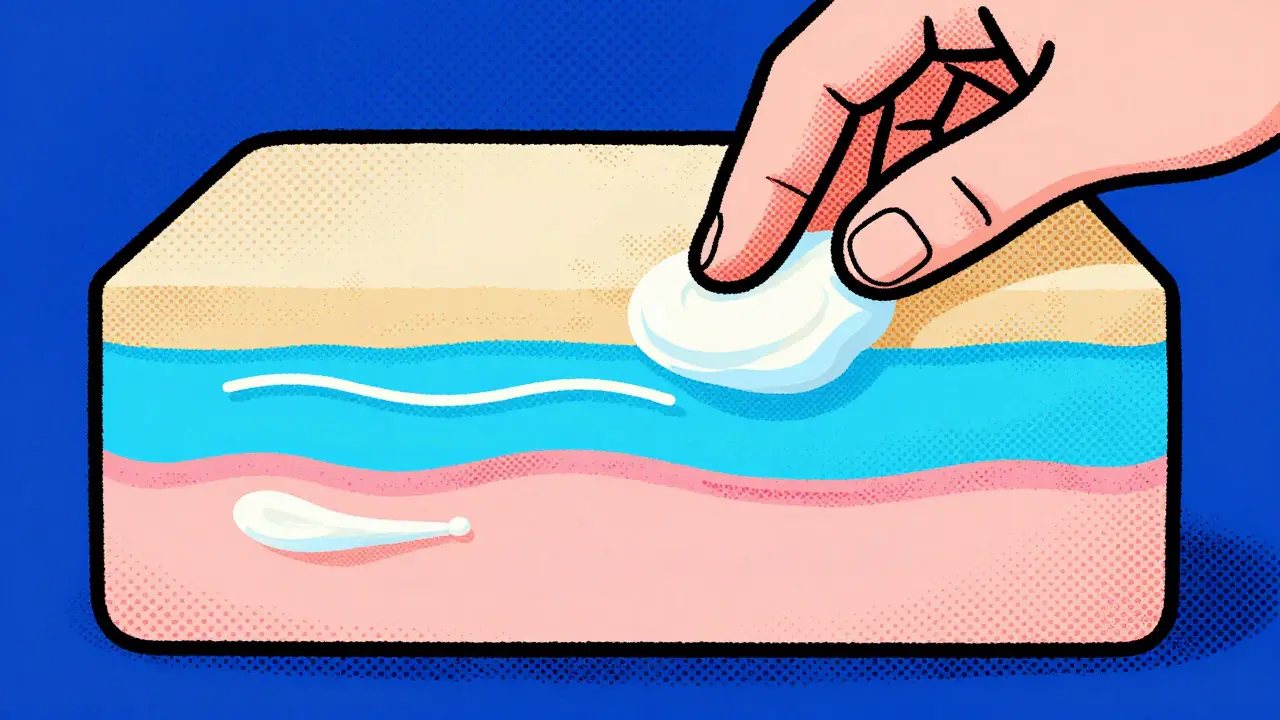
- Use the Sandwich Method: Apply moisturizer before and after the retinoid to reduce irritation. This method has been shown to decrease irritation by 47%.
- Moisturize Daily: Keep your skin hydrated to combat dryness and flaking.
- Wear Sunscreen: Retinoids increase photosensitivity. Use broad-spectrum SPF 30+ daily to prevent sun damage.
- Be Patient: Significant improvements take 8-12 weeks. Consistency is key.
Common Side Effects and How to Manage Them
Both tretinoin and adapalene can cause initial side effects, known as the "retinization" period. These include dryness, peeling, redness, and increased breakouts (purging). Purging typically lasts 3-7 days for adapalene and 10-14 days for tretinoin. To manage these effects:
- Reduce application frequency if irritation is severe.
- Use gentle, fragrance-free cleansers and moisturizers.
- Avoid other harsh exfoliants like AHAs or BHAs until your skin adjusts.
- Consult a dermatologist if side effects persist beyond 6 weeks.
Who Should Choose Tretinoin?
Tretinoin is ideal for individuals seeking significant anti-aging benefits or those with severe acne who have not responded to other treatments. It is particularly effective for reducing fine wrinkles, improving skin texture, and fading hyperpigmentation. However, due to its higher irritation potential, it may not be suitable for sensitive skin types. If you choose tretinoin, consider starting with a lower concentration (0.01% or 0.025%) or using a microsphere formulation like Retin-A Micro, which releases the medication more slowly to reduce irritation.

Who Should Choose Adapalene?
Adapalene is the preferred choice for first-time retinoid users, those with sensitive skin, or individuals focused on acne treatment. Its OTC availability makes it easily accessible, and its lower irritation profile encourages consistent use. Adapalene is also suitable for maintenance therapy after achieving clear skin with stronger treatments. If you have mild to moderate acne and want a gentler option, adapalene is likely the better fit.
Cost and Accessibility Considerations
Cost and accessibility play a significant role in choosing between tretinoin and adapalene. Prescription tretinoin averages $45.75 per tube, though insurance coverage often reduces this to $10-20. Over-the-counter adapalene, such as Differin Gel, costs around $14.99 and does not require a prescription. For budget-conscious users or those without insurance, adapalene offers a cost-effective solution without compromising efficacy for acne treatment.
Future of Retinoid Therapy
The future of retinoid therapy looks promising, with ongoing research into personalized treatments. Genetic testing may soon help predict individual responses to retinoids, optimizing the choice between tretinoin and adapalene. Combination therapies, such as adapalene plus benzoyl peroxide, continue to show high efficacy for acne clearance. While newer retinoids may emerge, tretinoin and adapalene will remain foundational due to decades of safety data and proven effectiveness.
Can I use tretinoin and adapalene together?
Generally, no. Using both simultaneously increases the risk of severe irritation and damage to the skin barrier. It is best to choose one based on your primary concern-tretinoin for anti-aging or adapalene for acne-and stick with it consistently.
Is adapalene safe during pregnancy?
Both tretinoin and adapalene are FDA Category C, meaning risks cannot be ruled out. Most dermatologists recommend avoiding all retinoids during pregnancy and breastfeeding. Consult your doctor before starting any retinoid therapy if you are pregnant or planning to become pregnant.
How long does it take to see results with adapalene?
Most users see significant improvement in acne within 8-12 weeks of consistent use. However, full benefits may take up to 6 months. Patience and consistency are crucial for optimal results.
Why does my skin purge when starting retinoids?
Purging occurs because retinoids accelerate cell turnover, bringing underlying microcomedones (tiny clogs) to the surface faster than usual. This temporary increase in breakouts is normal and typically resolves within 4-6 weeks as your skin adjusts.
Can I use retinoids if I have sensitive skin?
Yes, but start with adapalene 0.1% OTC, which is generally better tolerated. Use the sandwich method (moisturizer-retinoid-moisturizer) and apply it only 2 nights a week initially. Gradually increase frequency as your skin builds tolerance.