
Antidepressant Treatment Risk Assessment Guide
This tool helps you understand your personal risk level during the first weeks of antidepressant treatment. Based on FDA guidelines, we've created this assessment to help you monitor for potential side effects while ensuring you don't delay necessary treatment.
This assessment is based on FDA data and clinical studies. It helps you understand potential risks during the critical first 4 weeks of treatment. Remember: Untreated depression is often more dangerous than medication risks. This tool is meant to empower you with knowledge, not scare you away from treatment.
Risk Assessment Result
Emergency Alert
Call 988 or go to the nearest emergency room if you or someone you know is experiencing suicidal thoughts or self-harm behaviors.
Your risk assessment is based on the FDA's Black Box Warning guidelines. Remember: Most people do not experience suicidal thoughts on antidepressants. The highest risk occurs in the first 1-2 months of treatment, especially for younger patients. With proper monitoring, antidepressants are safe and effective for many people.
Important: This tool does not replace medical advice. Always discuss your treatment with your doctor or psychiatrist.
When you start taking an antidepressant, you expect to feel better. But for some people - especially younger ones - something unexpected happens: suicidal thoughts begin to surface. It’s not common, but it’s real enough that the U.S. Food and Drug Administration (FDA) put a Black Box Warning on every antidepressant label. This isn’t just a small note. It’s the strongest safety alert they can give - bold, red, and impossible to miss. And it’s been there since 2004.
What Is a Black Box Warning?
A Black Box Warning is the FDA’s highest-level alert for prescription drugs. It appears at the very top of the medication’s official prescribing guide, printed in bold, uppercase letters. It’s meant to stop doctors and patients from overlooking a serious risk. For antidepressants, the warning says clearly: children, adolescents, and young adults up to age 24 may have an increased risk of suicidal thoughts or behaviors when starting treatment. This isn’t about the drug causing suicide. It’s about a temporary rise in suicidal thinking - not actions - during the first few weeks of treatment. In the original FDA analysis of 24 clinical trials involving over 4,400 young patients, about 4% of those on antidepressants showed signs of suicidality. That’s compared to 2% on placebo. No one died in those trials, but the shift was clear enough to trigger a national safety alert.Who Is Affected?
The warning applies to everyone under 24. That includes teenagers, college students, and young adults just starting out in life. The risk is highest in the first 1 to 2 months after starting the medication, especially if the dose is changed. It’s less common in adults over 24 - and in fact, for people over 65, antidepressants may actually lower suicide risk. Some antidepressants have been singled out for higher risk. Paroxetine (Paxil) showed the strongest link to suicidal thinking in young people. Fluoxetine (Prozac) is the only one approved by the FDA for treating depression in children under 18 - and even then, only for major depressive disorder. Sertraline and fluvoxamine are approved for OCD in kids, but not for depression. The rest? All carry the same warning, even if their actual risk might be lower.Why Does This Happen?
It sounds confusing: how can a drug meant to lift your mood make you think about dying? The answer lies in how antidepressants work. They don’t fix your mood overnight. They slowly increase serotonin and other brain chemicals. In the first weeks, you might feel more energy before your mood improves. That’s when someone who’s been too depressed to act suddenly gains the physical ability to act on dark thoughts. Think of it like this: severe depression often leaves people too tired, numb, or hopeless to do anything - even hurt themselves. As the medication starts working, energy returns. But if the sadness hasn’t lifted yet, that energy can turn into action. It’s not the drug causing the thoughts. It’s the gap between restored energy and still-present despair.The Unintended Consequences
Here’s where things get complicated. After the warning came out, prescriptions for antidepressants in teens dropped by 22%. Psychotherapy visits fell too. And then, something unexpected happened: suicide deaths among young people went up by nearly 15% between 2003 and 2005. Emergency room visits for drug poisonings jumped 28%. Many experts believe this wasn’t a coincidence. When doctors got scared to prescribe, and families got scared to accept treatment, depression went untreated. And untreated depression is the biggest risk factor for suicide. A 2023 study in Health Affairs found that the Black Box Warning likely caused more harm than good - not because antidepressants are dangerous, but because people stopped using them when they needed them. One study followed two teenagers with severe depression who refused medication after learning about the warning. Both later attempted suicide. Their families had been told the drug could cause suicidal thoughts - so they chose no treatment at all. The risk of untreated illness was higher than the risk of the medication.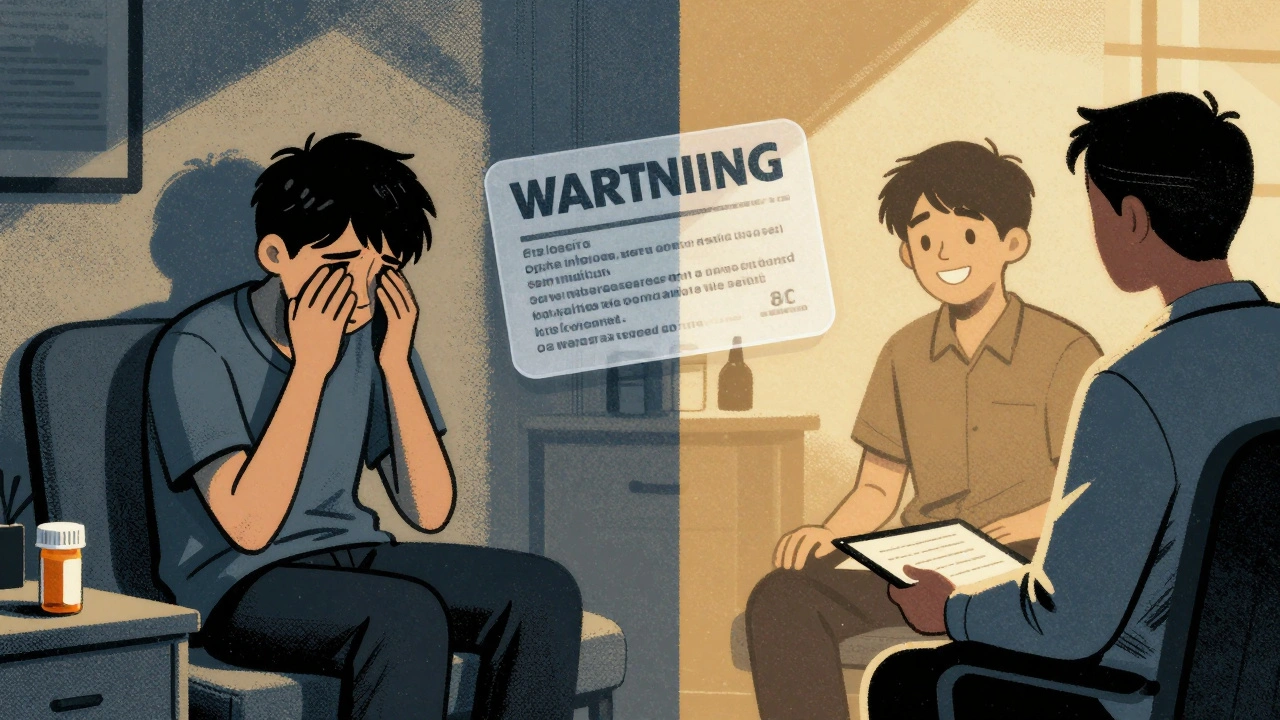
What Doctors Really Think
Psychiatrists don’t agree on the warning. Some say it’s necessary. Others say it’s misleading. The American Psychiatric Association says this clearly: the benefits of antidepressants for most young people outweigh the risks. They point out that suicide rates in the U.S. have been rising since the 1990s - and the drop in prescriptions didn’t fix it. The FDA’s own 2022 review looked at new data and decided to keep the warning - but they tweaked the language. Now, it includes a clearer note: the risk of suicide is higher in untreated depression than in treated depression. That’s important. The warning isn’t saying don’t take the drug. It’s saying: take it, but watch closely.What You Should Do If You’re Starting Antidepressants
If you or someone you love is beginning treatment, here’s what actually matters:- Know the timeline. The first 4 weeks are critical. Watch for new or worsening suicidal thoughts, agitation, panic attacks, or extreme restlessness.
- Stay in contact. Schedule a follow-up appointment within 1 to 2 weeks of starting the medication. Don’t wait for your next scheduled visit.
- Get support. Have a trusted friend or family member check in daily. Ask direct questions: “Are you having thoughts about not wanting to live?”
- Don’t stop suddenly. Stopping antidepressants can cause withdrawal and worsen mood. Always talk to your doctor first.
- Combine with therapy. Medication alone isn’t enough. Cognitive behavioral therapy (CBT) has been shown to reduce suicidal thinking in teens.
What About Other Countries?
The U.S. isn’t alone. The European Medicines Agency (EMA) also warns about suicidal risk in young people - but they don’t use a Black Box. Instead, they ask doctors to monitor patients closely and provide clear information. Their approach is less scary, but just as cautious. In the UK, the MHRA (Medicines and Healthcare products Regulatory Agency) follows a similar path: monitor, don’t avoid. The difference? The U.S. warning sounds like a red flag. Other countries treat it like a caution sign. And evidence suggests that less alarmist messaging leads to better outcomes.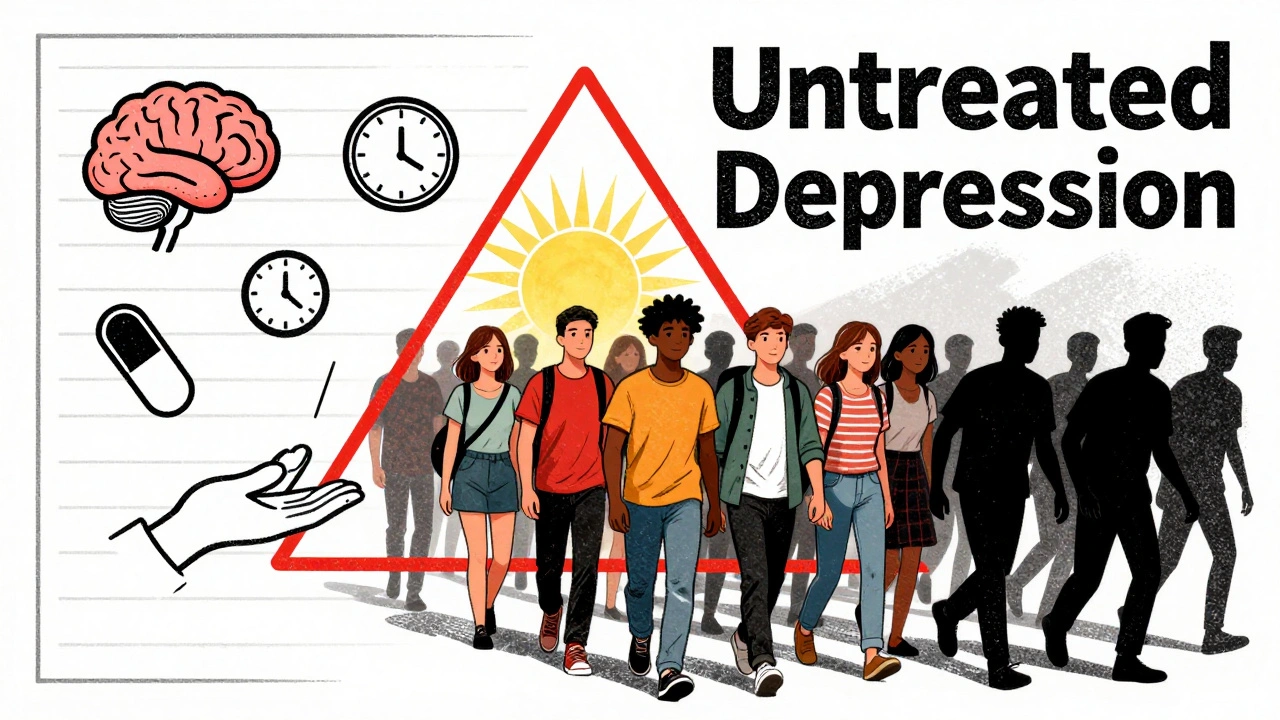
The Bigger Picture
We’ve spent 20 years focused on one warning - but we’ve ignored the real problem: depression is underdiagnosed, under-treated, and stigmatized. The Black Box Warning was meant to protect young people. But it may have made them more vulnerable by making families afraid to seek help. The future of treatment isn’t about one warning. It’s about personalized care. New research shows that risk varies by drug, by person, and by timing. Fluoxetine carries less risk than paroxetine. People with severe depression benefit more than those with mild symptoms. And the biggest risk isn’t the pill - it’s the silence.Final Thoughts
Antidepressants aren’t magic. They’re tools. And like any tool, they can be misused - or avoided when they’re needed most. The Black Box Warning isn’t a reason to refuse treatment. It’s a reason to start treatment with eyes open. If you’re scared, talk to your doctor. Ask: “What’s the risk for me specifically?” “How will we monitor this?” “What signs should I watch for?” Don’t let fear stop you from getting help. The greatest danger isn’t the medication. It’s the belief that nothing can be done.Do antidepressants cause suicide?
No, antidepressants don’t cause suicide. But in the first few weeks of treatment, some young people may experience an increase in suicidal thoughts - especially if they’re becoming more energetic before their mood improves. This doesn’t mean the drug is dangerous. It means close monitoring is essential during early treatment.
Is it safe for teens to take antidepressants?
Yes, for many teens, antidepressants are safe and effective - especially when combined with therapy. Fluoxetine (Prozac) is the only one FDA-approved for depression in children under 18. But other SSRIs like sertraline are commonly used off-label with good results. The key is careful monitoring and not delaying treatment.
Why did suicide rates go up after the Black Box Warning?
After the warning, prescriptions for antidepressants dropped by over 20%. Many teens with depression went untreated. Studies show that untreated depression carries a much higher risk of suicide than treated depression. The warning may have scared people away from help - and that likely contributed to rising suicide rates in the mid-2000s.
Should I avoid antidepressants if I’m under 24?
No. If you’re struggling with depression, avoiding medication because of the warning could be more dangerous than taking it. The risk of suicide is higher in untreated depression. Work with your doctor to choose the right medication, start at a low dose, and schedule frequent check-ins. Most people don’t experience suicidal thoughts on antidepressants - and for those who do, it’s temporary and manageable with support.
What should I do if I start having suicidal thoughts while on antidepressants?
Call your doctor immediately. Don’t wait. If you’re in crisis, go to the nearest emergency room or call 988 (the Suicide & Crisis Lifeline in the U.S.). You’re not alone. This is a medical emergency - not a failure. Many people feel this way early in treatment, and with the right support, it passes.
10 Comments
jagdish kumarDecember 5, 2025 AT 14:31
This isn't about drugs. It's about a society that outsources healing to pills while ignoring the rot underneath.
Benjamin SedlerDecember 7, 2025 AT 04:47
Let’s be real - the FDA’s black box is just corporate theater. They don’t care if you live or die, they care if the lawsuit shield works. Meanwhile, teens are dying because parents heard ‘suicidal thoughts’ and threw the script out like it was poison. The real poison? The silence after the warning.
michael boothDecember 8, 2025 AT 09:37
Thank you for laying this out so clearly. The data doesn't lie - untreated depression is far more dangerous than medication side effects. I've seen it in my practice. A young man stopped his SSRI after reading the warning. Two weeks later, he tried to end it. He's alive now because his mom pushed for therapy. The key isn't fear. It's vigilance. And support.
Carolyn FordDecember 8, 2025 AT 18:15
The FDA’s warning? A distraction. They’ve been pushing antidepressants for decades - then suddenly, they’re ‘protecting’ kids? Please. Big Pharma wrote this script. The real danger? The fact that no one’s asking why kids are this broken in the first place. No jobs. No hope. No future. And now we’re medicating the symptoms instead of fixing the system?Libby ReesDecember 9, 2025 AT 01:51
It is important to note that the increase in suicidal ideation is temporary and occurs primarily in the initial weeks of treatment. Monitoring and follow-up care are essential. Many young patients experience significant improvement after the first month. The data supports treatment when properly managed.
Augusta BarlowDecember 10, 2025 AT 14:45
Have you ever wondered why every single antidepressant has the same warning? Coincidence? Or is it because the whole system is rigged? The FDA, the pharmaceutical companies, the psychiatrists - they’re all part of the same machine. They don’t want you to heal. They want you to stay on the pills forever. That’s why they scare you with the black box - so you don’t dare question it. And when suicide rates go up? They blame the patients. Not the system. Not the profit motive. Just the broken kids. That’s the real tragedy.
Joe LamDecember 11, 2025 AT 08:44
Look, if you're under 24 and you think antidepressants are going to fix your life, you're delusional. This isn't medicine - it's emotional band-aids on a bullet wound. The real issue? Your parents divorced. Your school is a factory. Your future is debt. No pill fixes that. And the FDA knows it. They just don't want to admit the system failed.
Michael FeldsteinDecember 12, 2025 AT 20:33
Just want to say - if you're reading this and you're scared to start meds, I get it. I was there. But I didn't stop. I started low, I talked to my therapist weekly, and I had my sister check in every day. The first two weeks were rough - I felt wired and hollow. But by week 4? I cried for the first time in months - not from sadness, but because I felt something again. It wasn't magic. It was medicine. And it saved me.
zac grantDecember 14, 2025 AT 17:19
From a clinical standpoint, the risk-benefit ratio is clear: SSRIs reduce suicidal behavior over time, even if there's a transient increase in ideation. The key is early detection - using tools like PHQ-9 and weekly check-ins. Fluoxetine remains first-line for adolescents due to its favorable safety profile. Avoiding treatment based on fear is clinically indefensible. We're not just treating mood - we're preventing death.
Heidi ThomasDecember 15, 2025 AT 04:06
Everyone's so worried about the black box but no one talks about how doctors overprescribe these things like candy. My cousin got prescribed sertraline after one 10-minute visit. No therapy. No follow-up. Just a script. That’s not care. That’s negligence. And now the FDA wants us to trust them again? After they let this happen for 20 years? No thanks.