Steroid-Induced Hyperglycemia Risk Estimator
Assessment Result
Key Monitoring Suggestion:
Clinical Insight:
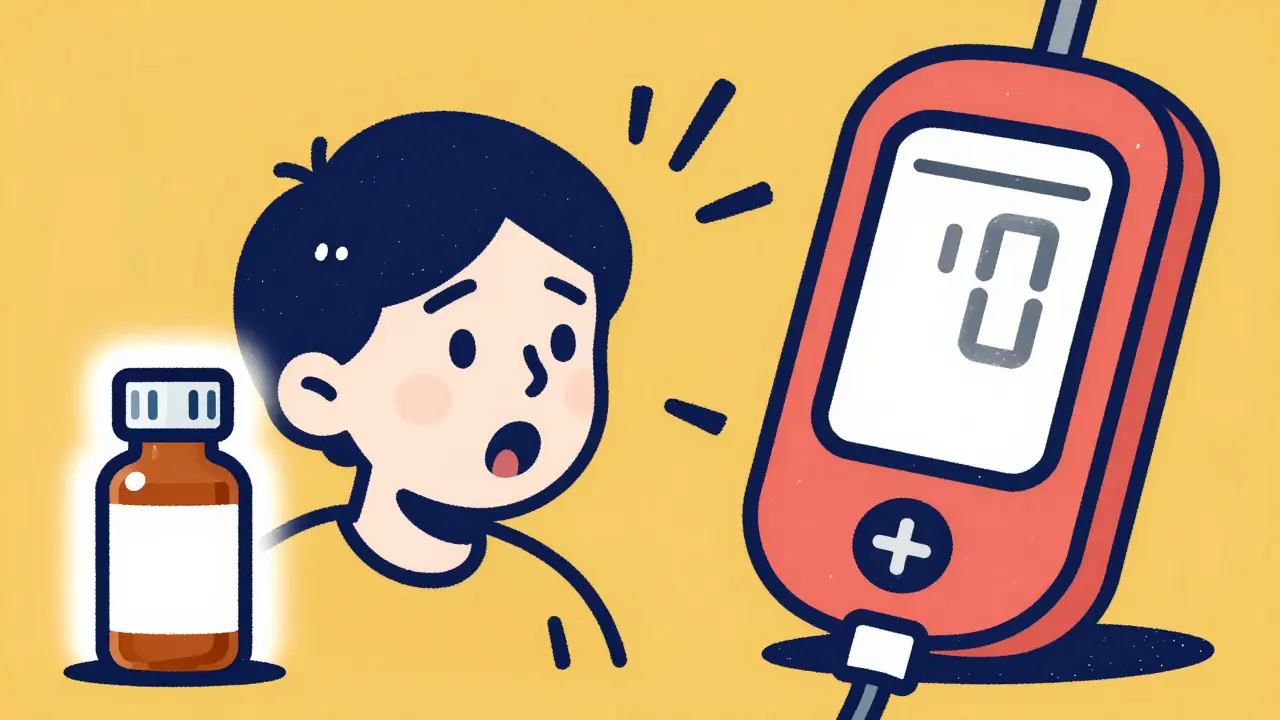
Imagine starting a necessary medication to treat a severe inflammatory condition, only to find your blood sugar levels spiking into dangerous territory despite having no history of diabetes. This is the reality for many people taking high-dose steroids. Corticosteroid-induced hyperglycemia is an abnormal elevation in blood glucose levels directly resulting from glucocorticoid therapy. It can affect anyone, whether you've managed diabetes for years or have never had a single high reading in your life. Because these medications are vital for treating everything from asthma to autoimmune diseases, the challenge is balancing the life-saving anti-inflammatory benefits with the metabolic chaos they can trigger.
Why Steroids Crash Your Blood Sugar Control
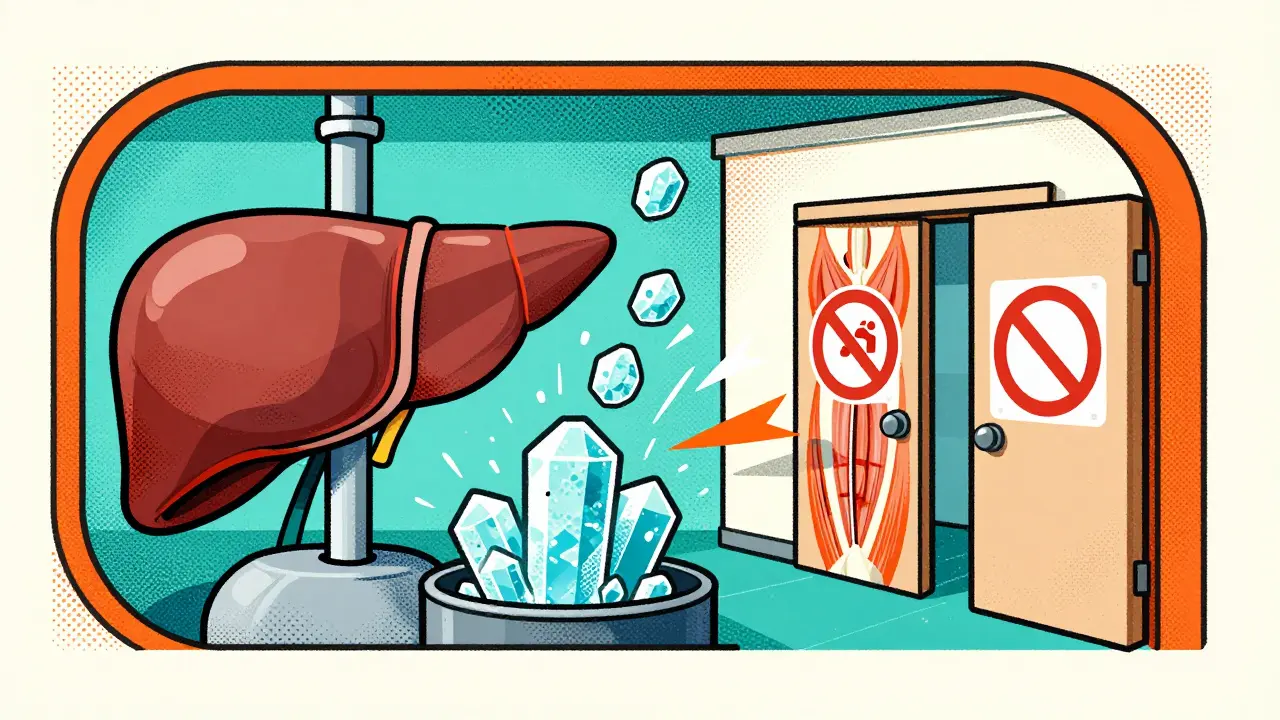
It isn't just one thing causing the spike; it's a coordinated attack on your metabolism across several organs. When you take Glucocorticoids is a class of steroid hormones that mimic cortisol, used primarily to reduce inflammation and suppress the immune system , your body essentially enters a state of artificial stress. In the liver, these drugs kick gluconeogenesis into overdrive, increasing the production of glucose by about 37.8%. Essentially, your liver starts pumping out sugar even when you don't need it.
While the liver is adding sugar to the mix, your muscles-which usually act as a sponge for glucose-stop working. Glucocorticoids interfere with GLUT4 is a glucose transporter protein that facilitates the movement of glucose into skeletal muscle and adipose tissue in response to insulin signaling, reducing glucose uptake by roughly 42.5%. This creates a double-whammy: more sugar is being produced, and less is being used. To make matters worse, the pancreatic beta cells, which produce insulin, see a 22.7% drop in the expression of receptors like GLUT2 is a glucose transporter that acts as a glucose sensor in pancreatic beta cells to trigger insulin secretion . This means your body can't produce enough insulin to fight the rising tide of sugar.
Is This the Same as Type 2 Diabetes?
Not exactly. While both involve insulin resistance, Steroid-induced diabetes mellitus (SIDM) is a distinct form of diabetes characterized by hyperglycemia specifically triggered by glucocorticoid use differs in its timing and pathophysiology. A key hallmark of SIDM is its "biphasic" nature. Because of how steroids are absorbed and processed, patients often experience severe hyperglycemia in the morning, while their levels might look almost normal by the evening.
This creates a nightmare for those used to standard diabetes care. In typical type 2 diabetes, sugar levels might rise steadily after meals. With steroid-induced spikes, the insulin resistance peaks about 4-6 hours after the dose and can persist for over 16 hours. This is why a standard "one size fits all" diabetes plan often fails; the medication is driving the glucose levels, not just the diet.
| Steroid Type | Typical Use Case | Relative Metabolic Impact |
|---|---|---|
| Hydrocortisone | Adrenal insufficiency | Moderate |
| Prednisone | Autoimmune/Allergic reactions | High |
| Dexamethasone | Severe inflammation/Edema | Very High |
Who Is Most at Risk?
Not everyone who takes a steroid pill will develop high blood sugar. However, certain factors significantly tilt the scales. If you have a BMI over 30 kg/m², you are 3.2 times more likely to develop hyperglycemia than someone with a BMI under 25. Even more critical is your baseline health; those with pre-existing impaired glucose tolerance face a 4.7-fold increase in risk.
The dose also matters. Patients receiving more than 20 mg of prednisone (or its equivalent) daily are generally classified as high-risk. According to recent data, over 50% of hospitalized patients on high-dose glucocorticoids will require some form of intervention to manage their sugar levels. This isn't just a minor inconvenience; if left unchecked, it can lead to serious crises like Diabetic Ketoacidosis (DKA) is a life-threatening complication where the body produces excess blood ketones and glucose levels rise sharply or Hyperglycemic Hyperosmolar State.
Monitoring Strategies That Actually Work
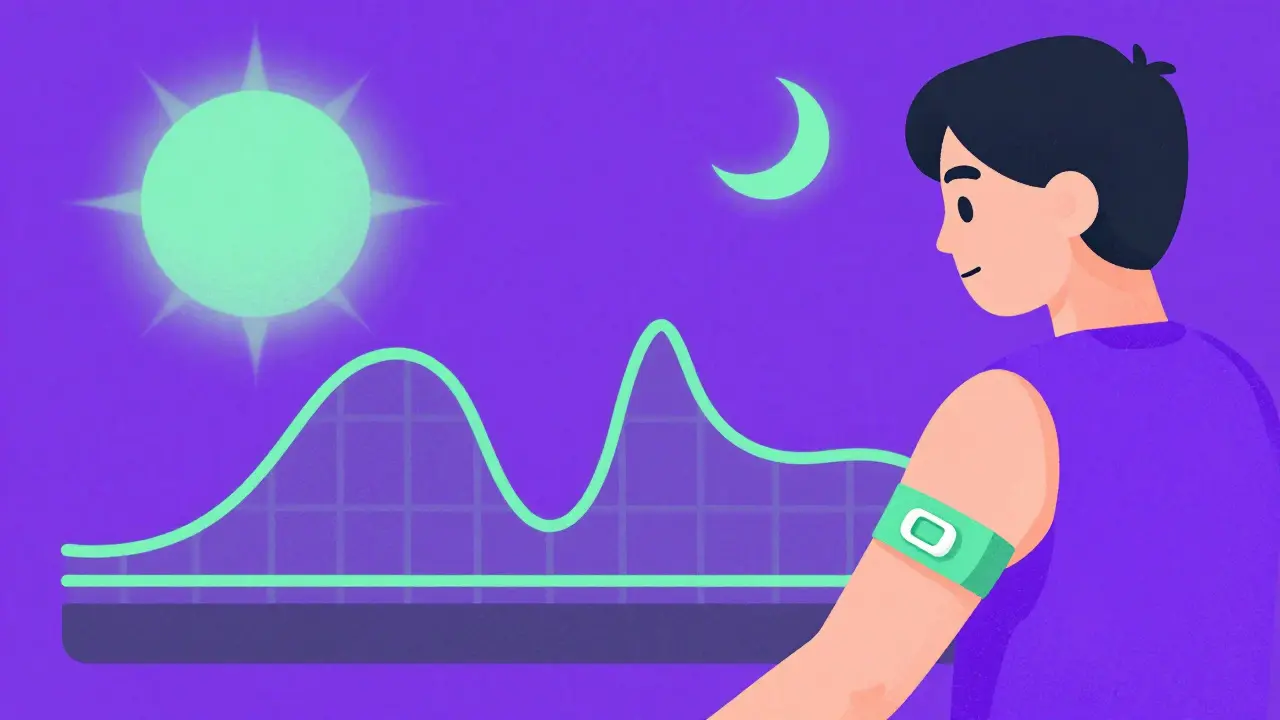
If you're starting steroids, don't wait for symptoms like extreme thirst or frequent urination. Monitoring should start within 24 hours of the first dose. For high-risk individuals, fasting and post-meal checks at least twice a day are the gold standard. But finger-prick tests only tell part of the story.
Research shows that Continuous Glucose Monitoring (CGM) is a wearable technology that tracks glucose levels in the interstitial fluid every few minutes, providing real-time data and trends catches hyperglycemic episodes in nearly 68% of patients who otherwise seem fine on standard tests. CGM is especially vital during the "tapering phase"-when your doctor slowly lowers your steroid dose. This is where the "rollercoaster effect" happens, and nearly 23% of patients experience unexpected hypoglycemia (dangerously low blood sugar) because their insulin dose is still calibrated for a higher steroid dose that is no longer there.
Care and Treatment Approaches
Managing steroid-induced spikes requires a tactical approach. For people who already have diabetes, you might need to increase your insulin doses by 20% to 50%. For those newly developing hyperglycemia, doctors are moving away from "sliding scale" insulin (which only reacts to high numbers) toward basal-bolus regimens. This approach is about 34.8% more effective at keeping glucose in the target range.
The timing of your insulin must match the timing of your steroid. If you take your steroids in the morning, you'll need higher insulin coverage during the first half of the day and a gradual taper in the afternoon. Failing to match this timing is a primary cause of treatment error, often leading to a cycle of morning spikes and evening crashes.
Can steroid-induced diabetes go away after I stop the medication?
In many cases, yes. Once the glucocorticoids are removed from the system, the insulin resistance typically resolves and pancreatic beta cell function can partially recover. However, if the steroids uncovered a latent case of type 2 diabetes, you may need permanent glucose management.
How quickly do steroids affect blood sugar?
It can happen incredibly fast. Some studies show that a single high dose of prednisolone can inhibit insulin secretion within just 2 hours. Insulin resistance typically peaks between 4 and 6 hours after the dose is administered.
What are the warning signs that my steroid dose is too high for my glucose levels?
Look for the "classic" signs of hyperglycemia: increased thirst (polydipsia), frequent urination (polyuria), and blurred vision. If you have a CGM, look for a consistent upward trend in the 4-10 hour window following your dose.
Is it possible to prevent this hyperglycemia?
While you can't always prevent the physiological reaction to the drug, you can mitigate the impact. Managing diet (reducing simple carbohydrates), increasing physical activity if possible, and using "steroid-sparing" agents as recommended by your doctor can help reduce the severity of the spikes.
Why does my blood sugar drop when my doctor lowers the steroid dose?
This is the "tapering effect." Your body's sensitivity to insulin increases as the steroid levels drop. If your insulin dose remains high while the steroid dose decreases, you can experience hypoglycemia. This is why close monitoring is critical during the weaning-off period.
Next Steps for Patients and Caregivers
If you are prescribed a systemic corticosteroid, your first step should be to ask your provider for a glucose monitoring plan. If you are high-risk (BMI >30 or pre-diabetic), insist on a baseline HbA1c test before starting therapy. For those already on the medication, keep a detailed log of when you take your dose and when your sugar peaks; this data is gold for your doctor when adjusting your insulin timing.
If you notice a pattern of morning spikes, don't just eat fewer carbs at breakfast-talk to your doctor about adjusting the timing of your medication or adding a basal insulin component. If you are in the process of tapering off steroids and feel shaky, sweaty, or confused, check your blood sugar immediately; you may be experiencing the common hypoglycemia associated with dose reduction.
13 Comments
Danielle KelleyApril 11, 2026 AT 21:39
Typical big pharma nonsense! They tell you the drug is necessary but then it just breaks your metabolism so you have to buy more drugs for the diabetes they gave you! It's a cycle designed to keep us sick and paying!
Vivek HattangadiApril 13, 2026 AT 03:49
This is such a helpful breakdown for anyone dealing with a chronic illness and needing steroids. I've seen so many people struggle with these spikes and feel totally lost because their usual diet doesn't work anymore. We should really encourage everyone to track their levels and share their logs with their doctors as mentioned here. It's all about that collaborative effort between patient and provider to get the timing right! Let's all support each other in managing these tough side effects.
Rauf RonaldApril 13, 2026 AT 08:49
Spot on! The biphasic nature of steroid-induced hyperglycemia is the real killer here. If you're using a CGM, pay close attention to that 4-6 hour window after your dose because that's when the GLUT4 interference really hits the fan. I always tell my patients that timing is everything-don't just dose insulin based on the number you see now, but predict where you'll be in a few hours. You've got this, just stay proactive and keep those logs detailed!
Del BourneApril 13, 2026 AT 14:10
It is quite interesting that the liver's glucose production increases by nearly 38%. For those wondering, this explains why you might feel an inexplicable surge of energy or restlessness shortly after your dose, even if you haven't eaten. It's also worth noting that staying hydrated can help the kidneys flush out some of that excess glucose, though it's not a replacement for medical intervention. Please ensure you are communicating your specific glucose patterns to your healthcare provider to avoid any dangerous dips during the tapering phase.
Michael FlückigerApril 14, 2026 AT 13:11
This is just... wow!!! I never knew the BMI factor was that high!!!! Absolutely critical information for anyone starting prednisone!!!! We need to be more assertive with our doctors about getting these tests done early!!!!
GOPESH KUMARApril 15, 2026 AT 12:56
Obviously, the text simplifies the biochemistry for the masses, but the real philosophical question is why we rely on such blunt instruments as glucocorticoids in the first place. It's a crude way to manage inflammation that treats the body like a machine rather than a complex system. The data provided is basic, yet the implications for the endocrine system are profound. Most people just follow the script without realizing they're essentially inducing a temporary metabolic crisis.
Grace LotteringApril 17, 2026 AT 06:01
Chemicals in our blood. Total control. Wake up.
Victoria GregoryApril 17, 2026 AT 16:06
It's so wild how our bodies react to these things... 🤯 just a reminder that everyone's journey is different and it's okay to feel overwhelmed by the numbers!!!! be gentle with yourselves during the tapering process 🌸✨
Darius ProrokApril 18, 2026 AT 18:28
I already knew this. Steroids just make you insulin resistant. It's not a big deal if you just stop eating sugar.
Kathleen PainterApril 20, 2026 AT 03:22
I think it's really important for us to remember that for some people, the psychological toll of suddenly having to monitor their blood sugar can be just as taxing as the physical side effects themselves, and we should really strive to create a supportive environment where patients feel safe discussing these changes without feeling judged for their weight or their baseline health status, because at the end of the day, we are all just trying to navigate a healthcare system that can sometimes feel a bit impersonal and overwhelming when we're at our most vulnerable.
Windy PhillipsApril 20, 2026 AT 10:22
It is truly exhausting to see how many people ignore their baseline health... only to be surprised when the medication reveals their negligence... it's simply a lack of discipline... really...
Benjamin cusdenApril 21, 2026 AT 18:49
The mention of 'sliding scale' insulin is almost quaint. Anyone with a modicum of endocrine knowledge knows that reactive dosing is an obsolete strategy compared to proactive basal-bolus titration. It's amusing that this is presented as a 'modern' shift when it's been the gold standard in specialized clinics for years.
Ruth SwansburgApril 22, 2026 AT 01:02
Stay strong everyone! You can handle this! Focus on the goal!