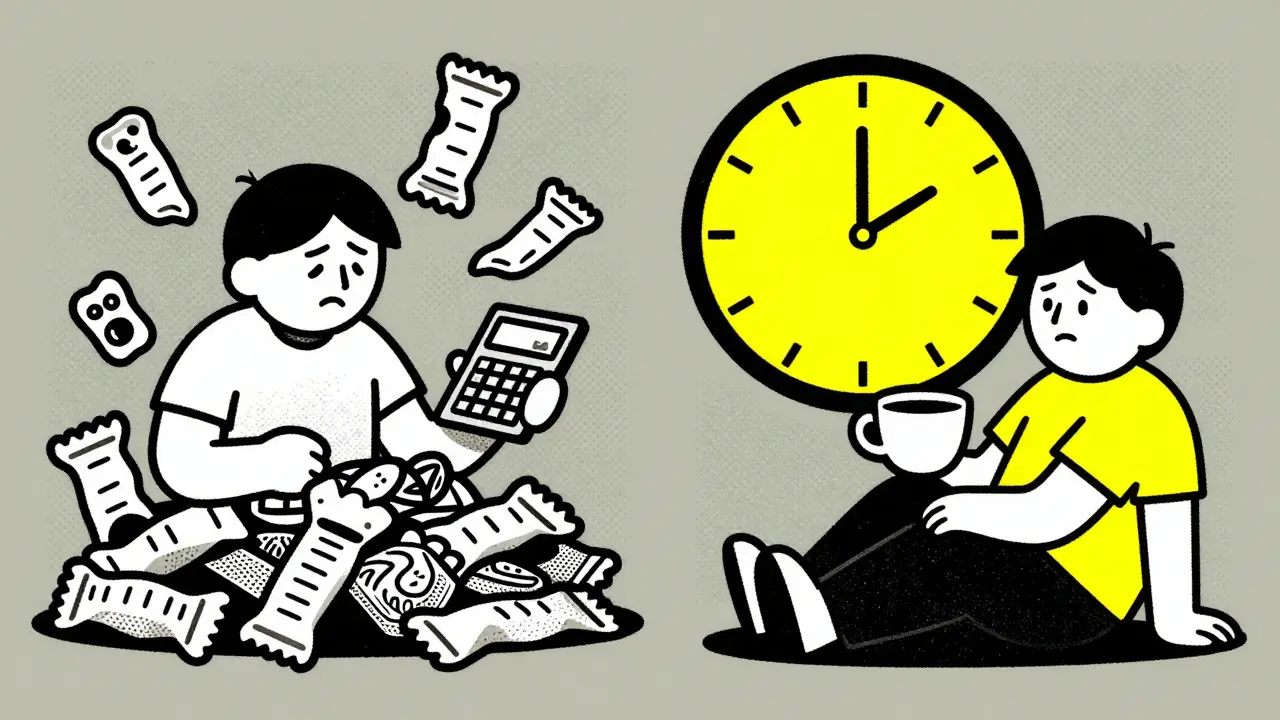
Have you ever felt like dieting is just a constant battle against your own hunger? You aren't alone. For years, the standard advice was simple: count every calorie and eat small meals all day. But lately, a different approach has taken over social media feeds and doctor's offices alike. It’s called intermittent fasting, specifically a method known as time-restricted eating (TRE). Instead of focusing on *what* you eat, it focuses on *when* you eat. The promise is seductive: skip breakfast, fast for 16 hours, and still lose weight. But does it actually work better than just cutting calories?
The short answer is yes, but not for the reasons you might think. Recent major studies from 2025 have cleared up the confusion. Intermittent fasting isn’t a magic bullet that melts fat while you sleep. It works because it makes it easier to eat fewer calories without obsessively tracking them. Let’s break down what the latest science says about whether this schedule fits your life.
How Time-Restricted Eating Works
At its core, time-restricted eating is about creating a daily window for food consumption. The most popular version is the 16:8 method. This means you fast for 16 hours each day and eat all your meals within an 8-hour window. For example, you might skip breakfast, have your first meal at noon, and finish dinner by 8 PM. During those 16 hours, you drink water, black coffee, or tea, but no caloric beverages.
This isn't a new idea. Humans didn't always have refrigerators or snack aisles. Our bodies evolved to handle periods of scarcity. Modern intermittent fasting mimics this natural rhythm. By restricting the eating window, you give your digestive system a longer break. This pause allows insulin levels to drop, which signals your body to switch from burning sugar to burning stored fat. It also aligns with your circadian rhythm-the internal clock that regulates metabolism. Research from the University of Texas Southwestern Medical Center shows that eating earlier in the day (like 8 AM to 4 PM) improves insulin sensitivity by 12.4% compared to eating late at night.
| Method | Eating Window | Fasting Period | Best For |
|---|---|---|---|
| 16:8 Method | 8 hours | 16 hours | Daily routine, beginners |
| 5:2 Diet | Normal days + 2 restricted days | ~500-600 calories on restricted days | Flexibility, social dining |
| Alternate-Day Fasting | Every other day | 24 hours | Rapid weight loss, experienced fasters |
Does It Beat Traditional Calorie Counting?
This is the big question. If you want to lose weight, do you need to fast, or can you just eat less? A massive systematic review published in July 2025 by researchers at Harvard T.H. Chan School of Public Health analyzed 99 clinical trials involving over 6,500 people. The findings were clear: intermittent fasting produces weight loss results that are statistically equivalent to traditional calorie-restriction diets.
However, there are nuances. The same Harvard analysis found that alternate-day fasting (fasting for 24 hours every other day) resulted in 1.3 kilograms more weight loss compared to continuous calorie restriction. That’s a 7.8% greater reduction. Participants also saw improvements in waist circumference (down by 1.5-2.2 cm) and LDL cholesterol (down by 4.8-7.2 mg/dL). So, while the overall weight loss is similar, specific fasting protocols might offer slight edge in certain metrics.
But here’s the catch: the benefit often comes down to adherence. Dr. Zhila Semnani-Azad from the University of Toronto noted that these findings provide an "opportunity for personalization." Some people hate counting calories. They find the mental load exhausting. For them, simply not eating after 8 PM is a much simpler rule to follow than calculating macros for three snacks and two meals. If a method helps you stick to a calorie deficit consistently, it wins.
The Real Benefits Beyond the Scale
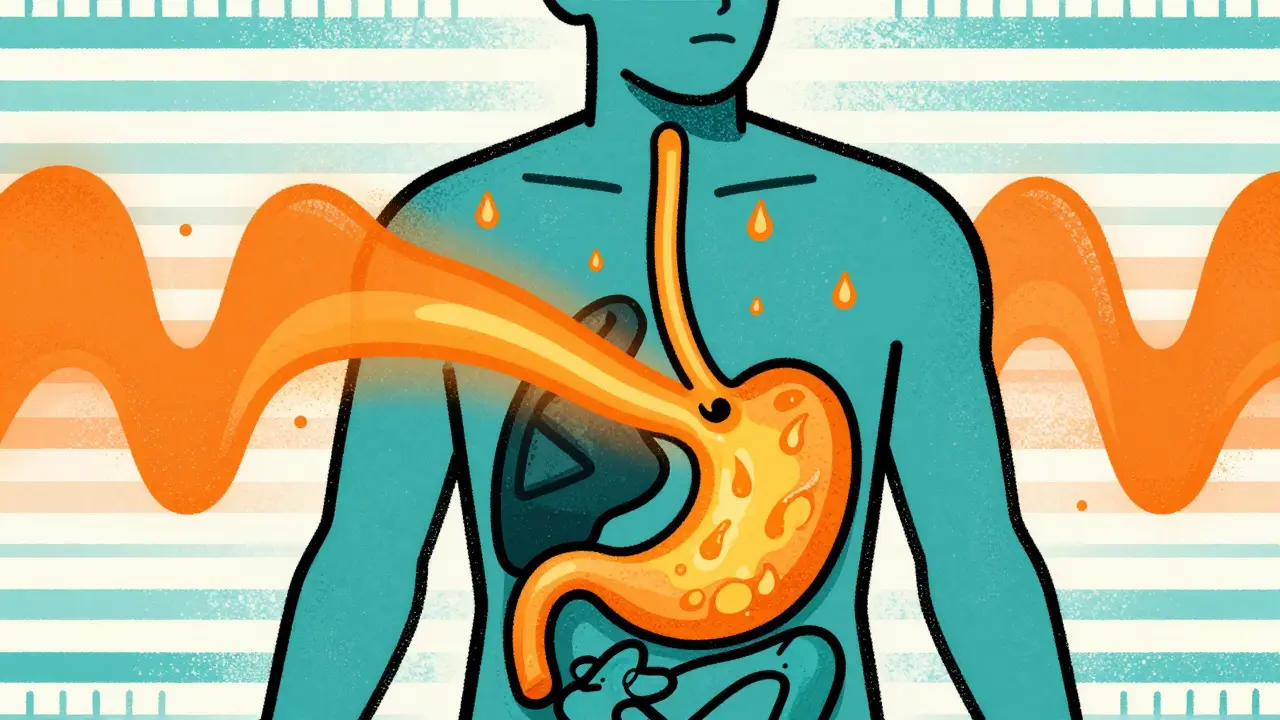
Weight loss is visible, but the internal changes are where intermittent fasting shines. The primary purpose of time-restricted eating is to optimize metabolic health. When you extend the fasting period, your body undergoes several beneficial shifts:
- Improved Insulin Sensitivity: Lower insulin levels make your cells more responsive to the hormone, reducing the risk of type 2 diabetes. A study presented at the Endocrine Society’s ENDO 2025 conference showed that intermittent energy restriction reduced fasting blood glucose by 18.7 mg/dL, outperforming continuous restriction.
- Better Heart Health: Participants in clinical trials saw reductions in triglycerides (by 8.3-12.6 mg/dL) and C-reactive protein (a marker for inflammation) by 0.4-0.7 mg/L.
- Circadian Alignment: Eating in sync with daylight hours supports your body’s natural repair processes. Shift workers who used TRE reported 22.3% better adherence than daytime workers, likely because they could tailor their windows to their unique schedules.
These markers matter because they predict long-term health risks. Even if the scale moves slowly, seeing your blood pressure and cholesterol improve is a huge win.
The Hidden Challenges: Why People Quit
If intermittent fasting is so effective, why doesn’t everyone do it? The data shows a significant hurdle: sustainability. The Harvard review highlighted that 92% of clinical trials lasted less than 24 weeks. Long-term data is scarce. More importantly, dropout rates are high. Across studies, 18.7% of participants quit intermittent fasting, compared to 15.2% in traditional diet groups.
User experiences online paint a vivid picture of these struggles. In a 2025 analysis of the r/IntermittentFasting community, 58.2% of negative reviews cited "energy crashes" during the initial adaptation phase. Another 44.6% complained about social disruption. One user noted, "Dinner invitations became impossible to accept without explaining my eating schedule." This is real. Life happens at dinner time. Missing family meals or feeling hungry at social events can be isolating.
There’s also the issue of hunger. While ghrelin (the hunger hormone) levels normalize after about 72 hours, the first week is tough. 78.3% of participants reported managing hunger as a major challenge initially. Without proper planning, people often binge during their eating window, negating any calorie deficit.

How to Start Safely and Successfully
If you’re ready to try time-restricted eating, don’t jump straight into a 16-hour fast. Your body needs time to adapt. Here is a practical step-by-step guide based on expert recommendations:
- Start Small: Begin with a 12-hour eating window (e.g., 8 AM to 8 PM). This is already a significant improvement over grazing all day. After a week, shrink the window to 10 hours, then 8 hours.
- Prioritize Protein: During your eating window, aim for 1.2-1.6 grams of protein per kilogram of body weight. This preserves muscle mass, which is crucial for maintaining your metabolism while losing fat.
- Stay Hydrated: Dehydration symptoms mimic hunger. Drink water, herbal tea, or black coffee during your fast. Avoid sugary drinks or creamy lattes, as they break the fast.
- Align with Light: Try to eat earlier in the day. An 8 AM to 4 PM window may offer better metabolic benefits than a 12 PM to 8 PM window due to circadian biology.
- Listen to Your Body: If you feel dizzy, nauseous, or excessively weak, stop. Intermittent fasting isn’t for everyone. Pregnant women, individuals with a history of eating disorders, and those with certain medical conditions should consult a doctor before starting.
Consider seeking support. The Endocrine Society study found that structured support, like weekly nutritionist consultations, reduced dropout rates from 22.1% to 9.8%. Having a plan or a community can make the difference between quitting and succeeding.
Who Should Avoid Intermittent Fasting?
While safe for many, intermittent fasting isn't a universal solution. Certain groups face higher risks:
- People with Type 1 Diabetes: Fluctuations in blood sugar can be dangerous without careful medical supervision.
- Those with a History of Eating Disorders: Restrictive patterns can trigger relapses.
- Children and Teenagers: Growing bodies need consistent fuel.
- Pregnant or Breastfeeding Women: Nutritional demands are too high for fasting windows.
Always talk to your healthcare provider before making drastic changes to your eating schedule, especially if you take medication that requires food.
Is intermittent fasting better than calorie counting for weight loss?
Not necessarily. Major 2025 studies show that intermittent fasting produces similar weight loss results to traditional calorie restriction. However, alternate-day fasting may yield slightly more weight loss (1.3 kg more) than continuous calorie restriction. The best method is the one you can stick to long-term. If counting calories feels like a chore, fasting might be a simpler tool for you.
What is the best time of day to eat when doing time-restricted eating?
Research suggests that earlier eating windows, such as 8 AM to 4 PM, are more beneficial for metabolic health than later windows like 12 PM to 8 PM. This is because our bodies process insulin more efficiently during daylight hours, aligning with our circadian rhythms. However, consistency is key, so choose a window that fits your lifestyle.
Can I drink coffee during my fasting window?
Yes, you can drink black coffee and plain tea during your fasting window. These beverages contain negligible calories and will not break your fast. However, avoid adding sugar, milk, cream, or artificial sweeteners, as these can spike insulin levels and interrupt the metabolic benefits of fasting.
Why do so many people quit intermittent fasting?
Common reasons for quitting include social disruption (missing dinners with friends/family), energy crashes during the initial adaptation phase, and difficulty managing hunger. Dropout rates average 18.7% in studies, slightly higher than traditional diets. Support systems and gradual progression can help mitigate these issues.
Is intermittent fasting safe for people with diabetes?
Intermittent fasting can improve insulin sensitivity and blood glucose control, but it must be done under strict medical supervision. People with type 2 diabetes have seen benefits, but those with type 1 diabetes or those on insulin therapy are at risk of hypoglycemia (low blood sugar). Always consult your doctor before starting.