Drug Desensitization Protocol Simulator
Protocol Configuration
Simulation Results
Ready| Step | Dose Amount | Interval / Action | Cumulative % |
|---|---|---|---|
| Configure parameters and click "Generate Protocol Steps" to begin. | |||
Imagine being told you can't take the one antibiotic that actually works for your infection because you're "allergic." Or missing out on a life-saving chemotherapy drug because of a past bad reaction. For millions of patients, this isn't just an inconvenience; it's a medical dead end. That’s where drug desensitization comes in. It’s not a cure for allergies, but a temporary bridge that lets your body tolerate a specific medication long enough to finish a critical treatment course.
This technique is rarely used for minor rashes or mild itching. Instead, it’s reserved for high-stakes situations where the benefit of taking the drug far outweighs the risk of reacting to it. But when exactly do doctors pull this trigger? And what does the process actually look like inside a hospital room?
The Core Logic: Why Bother with Desensitization?
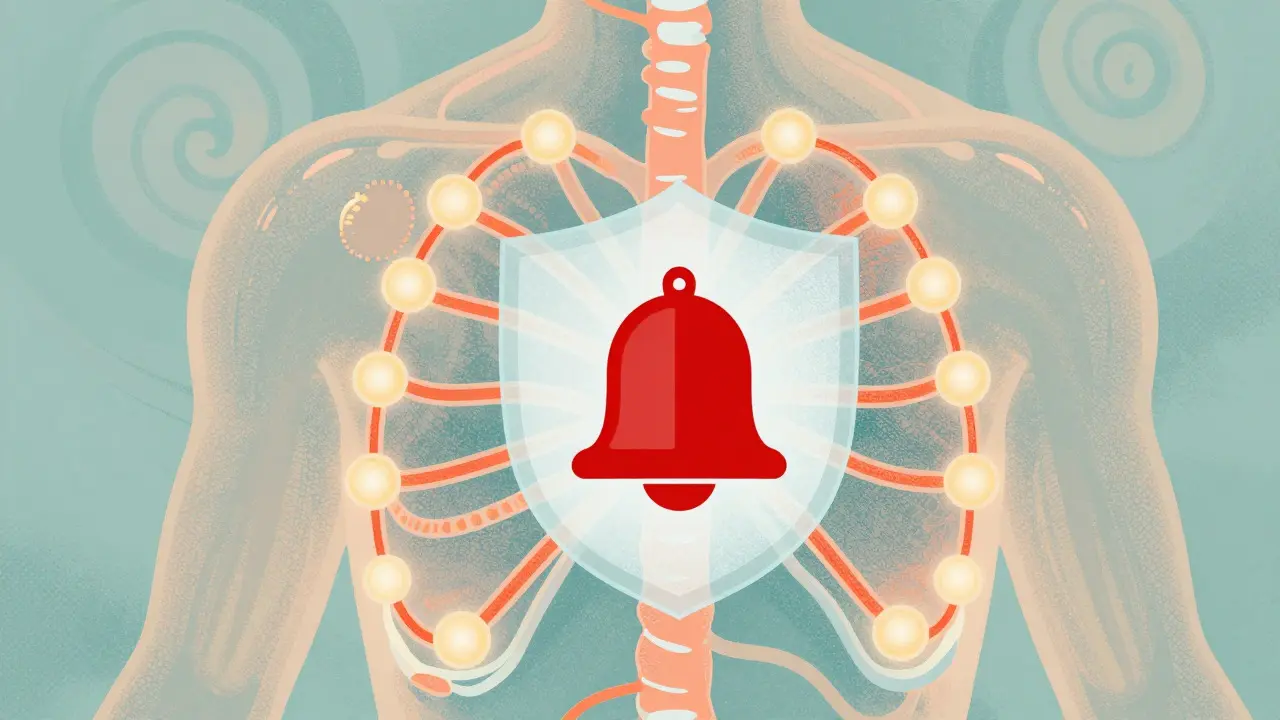
Drug desensitization is a controlled medical procedure that induces temporary clinical unresponsiveness to a drug antigen to which a patient has previously had a severe hypersensitivity reaction. The concept sounds complex, but the goal is simple: reset your immune system’s alarm bell just enough to let the medicine work without triggering a full-blown attack.
You might wonder why we don’t just switch to a different drug. In many cases, we can. But sometimes, the "culprit" drug is the only option that will effectively treat the condition. This is common in oncology, where specific chemotherapeutics are highly effective but carry significant hypersensitivity risks. It also happens in infectious diseases, particularly with antibiotics, where resistance makes first-line drugs essential. If alternatives fail or have cross-reactivity issues-like penicillins and cephalosporins-desensitization becomes the viable path forward.
According to Dr. Mariana Castells, Director of the Drug Hypersensitivity and Desensitization Center at Brigham and Women's Hospital, these protocols should be implemented as standard care because they offer high success rates and a proven safety profile. The key here is "temporary." Once you stop taking the drug, the tolerance fades. If you need another course later, you’ll likely need to repeat the process.
Rapid vs. Slow: Two Different Paths
Not all desensitization looks the same. The approach depends heavily on the type of reaction you’re trying to manage. There are two primary methods: Rapid Drug Desensitization (RDD) and Slow Drug Desensitization (SDD).
- Rapid Drug Desensitization (RDD): This is the go-to method for immediate reactions, both allergic and non-allergic. Think hives, swelling, or anaphylaxis that happens within hours of taking a drug. RDD typically involves doubling the dosage every 15 minutes until the full therapeutic dose is reached. A standard protocol might involve 12 incremental doses over 4 to 6 hours. The first dose is tiny-often 1/10,000th of the final amount-and each subsequent step increases geometrically.
- Slow Drug Desensitization (SDD): This is used for delayed hypersensitivity reactions, often involving T-cells, where symptoms appear days after exposure. SDD can be done orally or intravenously. Unlike RDD, there’s no single universal standard for dosing intervals. For oral medications like aspirin or NSAIDs, the process can take 2 to 3 days, with hours between each dose increment.
The choice between IV and oral administration also matters. Intravenous routes are most common for antibiotics, accounting for about 70% of cases. Oral routes are standard for aspirin desensitization. The time between doses varies significantly: 20-30 minutes for IV infusions versus at least 60 minutes for oral doses, and sometimes even longer for certain NSAID protocols.
When Is Desensitization Actually Indicated?
Doctors don’t use desensitization lightly. It’s a resource-intensive procedure requiring specialized staff and monitoring. So, when does it make sense?
It’s primarily indicated when:
- No suitable alternative exists: You’ve tried other drugs, and they failed due to inefficacy or side effects.
- The culprit drug is superior: The specific medication you reacted to is significantly more effective than any substitute.
- The reaction was immediate and IgE-mediated: Success rates for these types of reactions are highest, often reaching 95-100% when properly administered.
Conversely, desensitization is generally not recommended for severe delayed hypersensitivity reactions like Stevens-Johnson syndrome or toxic epidermal necrolysis. In those cases, the risk of a severe skin reaction outweighs the benefits, and alternative therapies should be prioritized. The American Academy of Allergy, Asthma & Immunology (AAAAI) gives desensitization a strong recommendation for IgE-mediated reactions but advises against it for severe cutaneous adverse reactions.
What Happens During the Procedure?
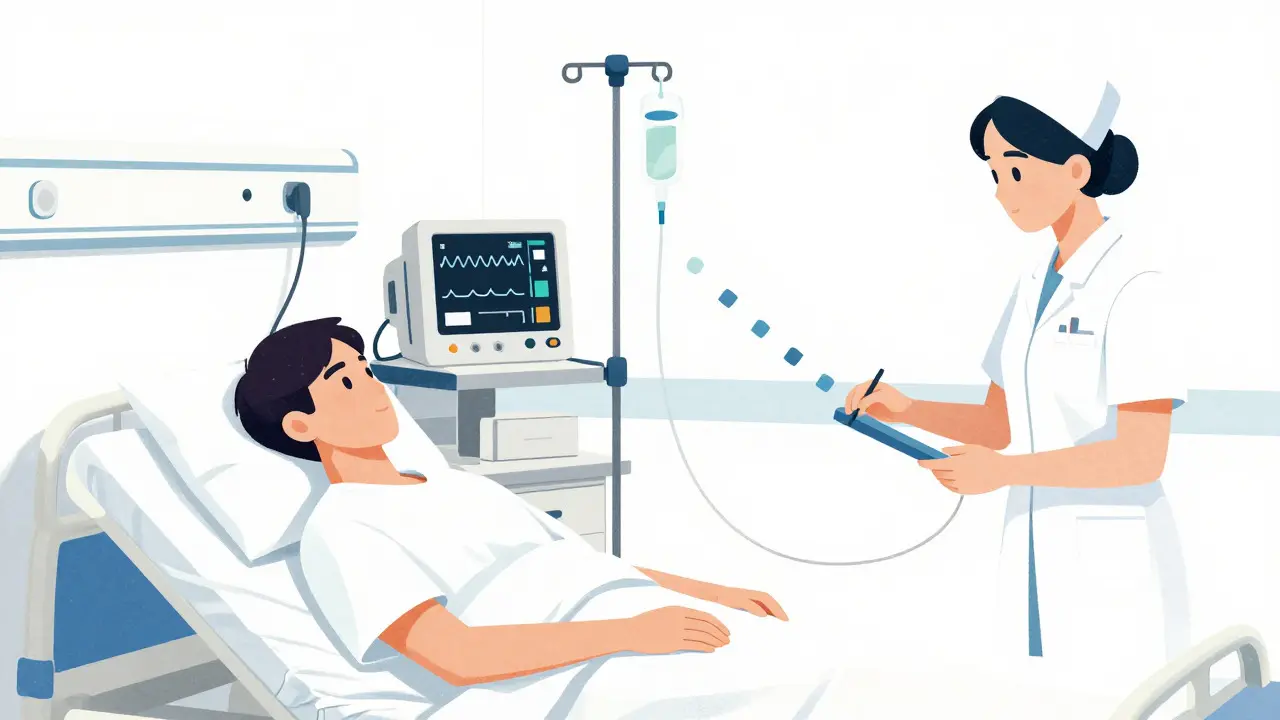
If you’re scheduled for desensitization, expect a structured, monitored environment. This isn’t something done in a clinic waiting room. It requires a facility equipped to manage anaphylaxis, with direct supervision by an allergist or immunologist and nursing staff.
Here’s what the typical experience looks like:
- Preparation: You’ll undergo a physical assessment and possibly respiratory function testing. Baseline blood pressure and pulse oximetry readings are taken.
- Administration: The drug is given in small, increasing amounts. For IV protocols, this happens via infusion pumps that allow precise control over flow rates.
- Monitoring: Continuous monitoring of blood pressure, oxygen levels, and heart rate is essential. Nurses check in frequently to assess for any signs of reaction, such as flushing, itching, or breathing difficulties.
- Completion: Once the full therapeutic dose is tolerated, you may receive the rest of the dose or begin maintenance therapy. The entire process can take anywhere from 4 to 6 hours for IV antibiotics, though oral protocols may span multiple days.
Patients often report anxiety during the process, with 63% citing worry in pre-procedure surveys. However, most find relief in knowing they’re finally getting the treatment they need. One patient shared that after 20 years of being labeled "allergic," a 4-hour protocol allowed them to finally take the best antibiotic for their osteomyelitis.
Success Rates and Risks: The Real Numbers
How safe is this really? The data is encouraging. Studies from Brigham and Women's Hospital show success rates of 98-100% for immediate hypersensitivity reactions when protocols are followed correctly. In a 2022 study of 42 patients undergoing penicillin desensitization, there were no deaths or anaphylactic events. Only 8% experienced mild side effects like pruritus or flushing.
However, risks exist. Severe reactions occur in less than 2% of properly monitored cases. The biggest danger comes from inappropriate application. If desensitization is attempted in a community setting without proper monitoring equipment or specialist oversight, complication rates can triple. A 2021 survey found that 12% of adverse events occurred in settings where non-specialists attempted the procedure without adequate resources.
Resource intensity is another factor. Each desensitization procedure requires approximately 4.2 nursing hours and 1.8 physician hours. This makes it impractical for widespread use in resource-limited settings, leading to adoption rates of over 85% in academic medical centers but only 35% in community hospitals.

Comparing Desensitization to Alternatives
Why choose desensitization over other strategies like drug substitution or premedication? Let’s break down the options.
| Strategy | Success Rate | Best For | Limitations |
|---|---|---|---|
| Drug Substitution | Varies (15-20% failure due to cross-reactivity) | Mild reactions, available alternatives | May not be effective if alternatives are inferior or unavailable |
| Premedication (Antihistamines/Steroids) | ~90% (10% failure rate in some chemo studies) | Borderline allergy cases | Doesn't address root cause; higher failure rate than desensitization |
| Drug Desensitization | 95-100% for immediate reactions | Essential drugs with no good alternatives | Temporary effect; requires specialist supervision; resource-intensive |
Desensitization clearly outperforms premedication strategies in many scenarios. For example, in taxane chemotherapy, premedication failed in 10% of patients, whereas desensitization achieved near-perfect success. However, desensitization isn’t a magic bullet. It doesn’t work well for severe delayed reactions, and it requires a commitment of time and expertise that not all facilities can provide.
Future Directions and Practical Tips
The field is evolving. New biomarker-guided approaches, using basophil activation tests, can predict desensitization success with 89% accuracy. Home-based protocols for stable patients are also in phase 2 trials, showing promising results. These advancements aim to make desensitization safer, more predictable, and accessible.
If you’re facing a potential desensitization, here are a few practical tips:
- Ask about the protocol: Understand whether it’s rapid or slow, and how long it will take.
- Check the facility’s credentials: Ensure the team includes certified allergists/immunologists and that the facility is equipped for anaphylaxis management.
- Discuss alternatives: Make sure desensitization is truly necessary before committing to the procedure.
- Plan for follow-up: Remember, tolerance is temporary. If you need another course, you’ll likely need to repeat the process.
Desensitization remains a powerful tool in modern medicine, especially as antibiotic resistance rises and new cancer therapies emerge. While it’s not for everyone, for those who need it, it can mean the difference between limited options and effective, life-saving treatment.
Is drug desensitization permanent?
No, desensitization induces only temporary tolerance. Once you stop taking the medication, the tolerance fades. If you need to take the drug again in the future, you will likely need to undergo the desensitization process once more.
How long does a typical desensitization procedure take?
For intravenous rapid desensitization, the process usually takes 4 to 6 hours. For oral slow desensitization, such as for aspirin or NSAIDs, it can take 2 to 3 days, depending on the specific protocol and medication.
Who performs drug desensitization?
Desensitization should be performed by trained allergists or immunologists in a facility equipped to manage anaphylaxis. It requires direct supervision and continuous monitoring, making it unsuitable for general practitioners without specialized training and resources.
What are the main risks of desensitization?
The main risk is a recurrent hypersensitivity reaction, including anaphylaxis. However, when performed under proper medical supervision, severe reactions occur in less than 2% of cases. Most side effects are mild, such as itching or flushing. The risk increases significantly if the procedure is done without specialist oversight or proper monitoring.
Is desensitization used for all types of drug allergies?
No. It is most effective for immediate, IgE-mediated hypersensitivity reactions. It is generally not recommended for severe delayed hypersensitivity reactions like Stevens-Johnson syndrome or toxic epidermal necrolysis, where alternative therapies are preferred.