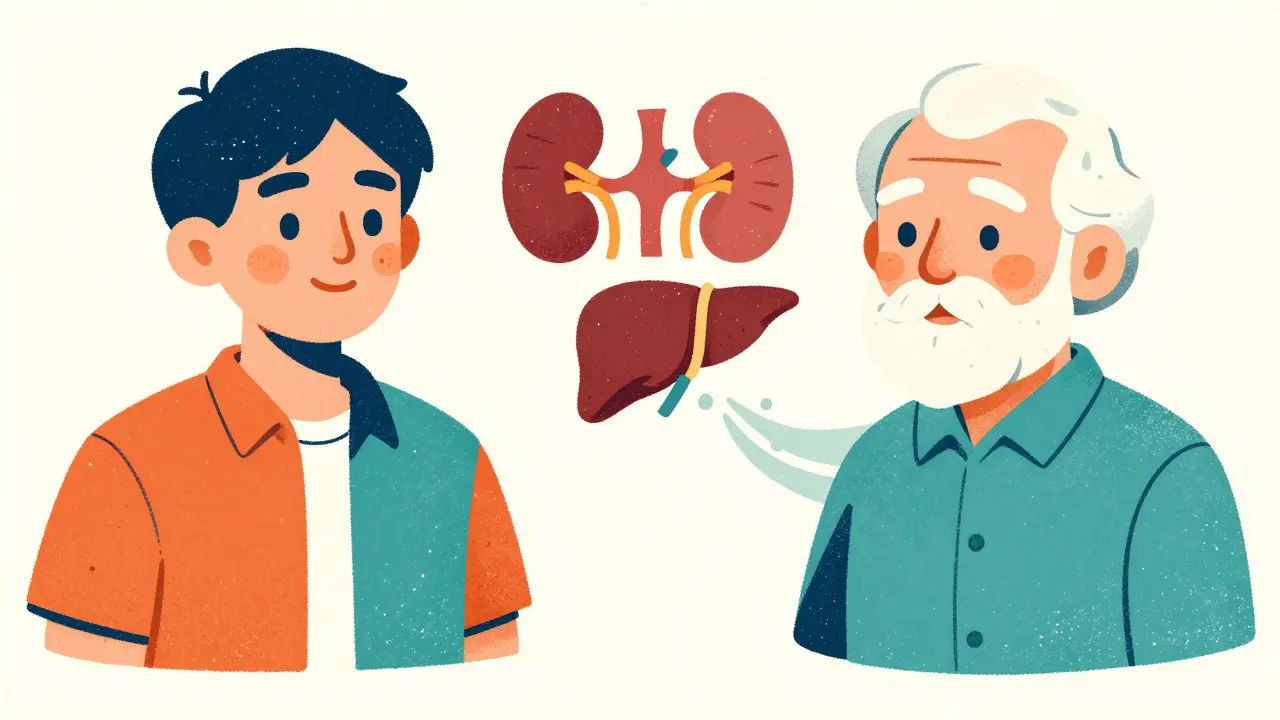
Giving a medication to a 25-year-old and an 85-year-old isn't the same thing, even if the drug is the same. As we age, our bodies change how they handle chemicals. Kidneys slow down, the liver processes things differently, and our brain becomes more sensitive to sedatives. This is why some drugs that are perfectly safe for middle-aged adults can become dangerous for seniors, leading to falls, confusion, or hospital trips. To help doctors navigate this, the Beers Criteria is an evidence-based set of guidelines that identifies medications that may pose greater risks than benefits for individuals aged 65 and older. It acts as a safety net, flagging drugs that are often "potentially inappropriate" for the older body.
What exactly are the Beers Criteria?
Formally known as the American Geriatrics Society (AGS) Beers Criteria®, this tool started back in 1991 with Dr. Mark Beers. Since then, it has evolved from a simple list into a sophisticated clinical framework. The goal isn't to create a "forbidden list" of drugs, but to provide a warning system. When a drug is listed in the criteria, it doesn't mean it can never be used; it means the risks-like severe dizziness or internal bleeding-likely outweigh the benefits for most people over 65.
The guidelines are updated regularly through a Delphi consensus process. This means a multidisciplinary panel of experts reviews thousands of scientific papers to see if new evidence suggests a drug has become too risky or if a previously flagged drug is actually safe. The 2023 update, for example, scrutinized over 1,500 articles to refine its recommendations, specifically focusing on antipsychotics and sedative-hypnotics.
The 5 Categories of Medication Risk
The criteria don't just throw every drug into one pile. They organize medications into five specific categories to help clinicians understand why a drug might be a problem. Understanding these categories is key to safer prescribing.
- General Avoidance: These are medications to avoid in most older adults, regardless of their health condition, because the risk of a side effect is simply too high.
- Disease-Specific Risks: Some drugs are fine for most people but dangerous if you have a specific condition. For instance, certain meds might worsen heart failure or trigger a flare-up of dementia.
- Cautionary Use: These are drugs that are acceptable but require a "handle with care" approach, meaning the doctor needs to monitor the patient much more closely.
- Renal Impairment Considerations: Since Renal Function (kidney health) often declines with age, some drugs can build up to toxic levels in the blood if the dosage isn't adjusted for kidney capacity.
- Drug-Drug Interactions: This targets the danger of "polypharmacy," where two or more drugs interact to create a new, dangerous side effect.
Why this matters for patient safety
When we talk about potentially inappropriate medications, we aren't talking about minor side effects like a dry mouth. We are talking about events that change a person's life. Research has shown that using medications flagged by the Beers Criteria is linked to higher rates of functional decline and unexpected hospital admissions.
Take sleep aids or anxiety medications, for example. In a younger person, a benzodiazepine might just cause some drowsiness. In an 80-year-old, that same dose can cause profound confusion or a loss of balance, leading to a hip fracture. Once a senior breaks a hip, the path to recovery is steep, and the risk of mortality increases. By using the criteria to guide Deprescribing-the process of tapering off unnecessary meds-doctors can actually improve a patient's quality of life.
| Feature | Beers Criteria | STOPP-START |
|---|---|---|
| Primary Focus | Identifying inappropriate drugs to stop | Identifying both drugs to stop AND missing drugs to start |
| Scope | Narrower, focused on risk | Broader, focused on overall medication gaps |
| Usage | Widely used as a quality metric (e.g., CMS/HEDIS) | Common in European clinical practice |
| Goal | Reduce Adverse Drug Events (ADEs) | Optimize total therapeutic regimen |
The "Warning Light" approach to prescribing
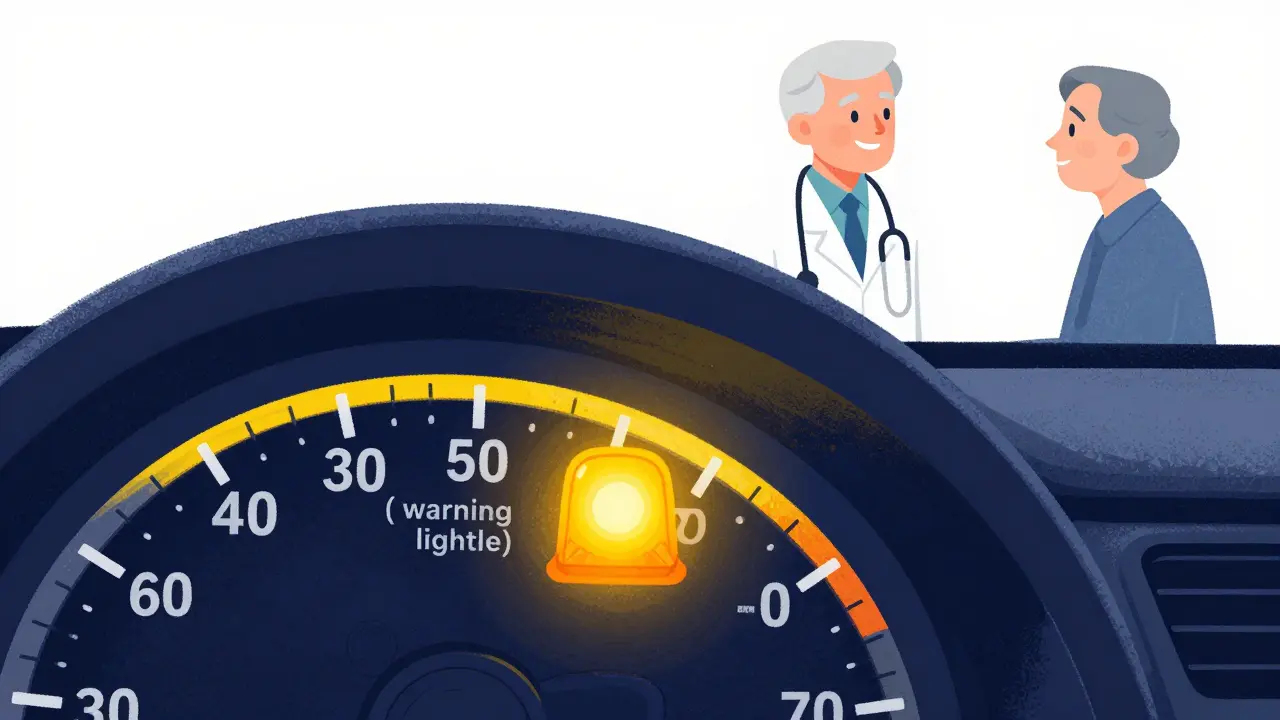
One of the biggest misconceptions is that the Beers Criteria are absolute laws. If a drug is on the list, a doctor cannot possibly prescribe it. That is not true. Expert clinicians, including those in the VA Healthcare System, describe the criteria as a "warning light" on a car dashboard. When the light comes on, you don't necessarily stop the car and abandon it; you check the oil, look under the hood, and decide if it's safe to keep driving.
For instance, a patient with severe, end-stage insomnia might still need a sedative despite the Beers warning, but the doctor will use the lowest possible dose for the shortest possible time. The key is "shared decision making." This means the doctor, the patient, and the family sit down and weigh the risk of the medication against the risk of the untreated symptom.
How to use these guidelines in real life
If you are a caregiver or a patient, you don't need to memorize 131 different medication rules. Instead, you can use the tools provided by the American Geriatrics Society. They offer a mobile app and a pocket reference card that make it easy to check a drug on the fly. For those who aren't clinicians, the website healthinaging.org provides a layperson's version to help you ask your doctor the right questions.
When reviewing a medication list, ask these three questions:
- Is this medication still treating a current problem, or was it started years ago for a problem that is now gone?
- Does this drug put me at a higher risk for falls or confusion?
- Are there newer, safer alternatives that aren't flagged by the Beers guidelines?
Common Pitfalls and Challenges
While the guidelines are helpful, they aren't perfect. One major challenge is "multimorbidity"-when a patient has five or six different chronic illnesses at once. A drug might be "inappropriate" for the patient's kidney disease but "essential" for their heart condition. In these cases, the criteria can feel too simplistic. This is why electronic health records (EHR) are becoming so important; they can alert a doctor to a risk while simultaneously showing the patient's specific health data to provide a fuller picture.
Another issue is the regulatory side. Some nursing home regulators have used the Beers Criteria to punish facilities if they find a "flagged" drug in a patient's chart. The AGS has fought against this, arguing that medicine is too complex for a "check-the-box" audit. Punitive use of the criteria can actually lead to worse care, as doctors might be afraid to prescribe a necessary medicine just to avoid a regulatory penalty.
Are the Beers Criteria only for people over 65?
Yes, the criteria are specifically designed for adults aged 65 and older. This is because the biological changes associated with aging-such as reduced kidney filtration and changes in body composition-significantly alter how drugs work in this specific age group.
If my medication is on the Beers list, should I stop taking it immediately?
No. Never stop or change a medication without consulting your healthcare provider. Stopping some medications abruptly can cause dangerous withdrawal symptoms or a return of severe illness. Instead, bring the list to your next appointment and ask your doctor if the benefit of the drug still outweighs the risk.
What is the difference between a "potentially inappropriate medication" and a "wrong" medication?
A "wrong" medication is a prescription error (like the wrong dose or wrong drug). A "potentially inappropriate medication" (PIM) is a drug that is clinically correct for a condition but carries a high risk of side effects in an older adult, making it a risky choice compared to safer alternatives.
How often are the Beers Criteria updated?
The criteria are updated every few years to reflect the latest medical research. The most recent major update was in 2023, which included revised guidance on antipsychotics and a broader look at medications that increase the risk of falls.
Who manages the Beers Criteria?
The American Geriatrics Society (AGS) is the primary organization responsible for maintaining and updating the criteria through a rigorous panel of geriatric specialists and pharmacists.
12 Comments
Kali MurrayApril 26, 2026 AT 14:32
definitely helps to have a checklist for the elderly folks 🌸💊
Ryan WilsonApril 27, 2026 AT 00:05
It's absolutely abhorrent that we've reached a point where a 'warning light' is the best we can do for the vulnerable. The medical industrial complex just loves to pump these seniors full of chemical cocktails and then acts surprised when they end up in a heap on the floor. This whole 'shared decision making' charade is just a fancy way for doctors to shift the liability onto the family when things go south. It's a total clusterfuck of a system that prioritizes billing codes over actual human longevity.
Kat GApril 28, 2026 AT 01:26
This is a very useful guide. Many people do not realize how medications affect older adults differently.
Abhishek CharanApril 29, 2026 AT 21:00
Why are we focusing on a US-centric list when the STOPP-START criteria are objectively more comprehensive!!! 🙄 This is just another example of American exceptionalism in medicine, where a narrow list is preferred over a holistic approach!!! 🤦♂️
Stephen JohnsonApril 30, 2026 AT 13:26
The concept of deprescribing is where the real wisdom lies. It is a philosophical shift from 'adding more' to 'subtracting for the sake of quality.' We often forget that sometimes the most therapeutic action a physician can take is to stop a treatment that no longer serves the patient's current stage of life.
Kevin TaggartMay 1, 2026 AT 12:51
i didnt know about that app.. sounds lafely for caregivers :)
Jenna RiordanMay 2, 2026 AT 03:46
I wonder if your parents are taking any of these. You should actually go through their medicine cabinet right now and see if anything matches the list before your next visit.
Raymond LipanogMay 3, 2026 AT 13:50
It is perhaps prudent to consider that the balance between symptom relief and risk is a deeply personal journey. While the guidelines provide a necessary structure, the ultimate truth resides in the unique biological response of the individual, requiring a gentle and patient approach to care.
Jonathan HallMay 3, 2026 AT 22:59
I find it incredibly frustrating that some people try to dismiss the American system entirely when the Beers Criteria have been the gold standard for decades and provide a clear, evidence-based framework that simplifies a chaotic process, yet we still have people who think a different set of rules from Europe is some magical cure-all for the complexities of geriatric pharmacy which is clearly a misunderstanding of how regional health standards operate!
Thomas JorquezMay 4, 2026 AT 18:26
The laison between the EHR and these guidlines is a crucial step for moderen medicine.
Darrin OnetoMay 6, 2026 AT 10:24
totally agree, those EHR alerts are a total lifesaver for the docs who are just swimmin in paperwork 🏊♂️
Jean RobertMay 7, 2026 AT 02:46
It is truly heartening to see such a detailed breakdown of how we can protect our elders from unnecessary harm. I always tell my students that patience and observation are just as important as the prescriptions themselves, and by focusing on the 'warning lights' as described here, we can create a much safer environment for those who have spent their lives caring for us and now deserve the highest quality of mindful care possible during their golden years.