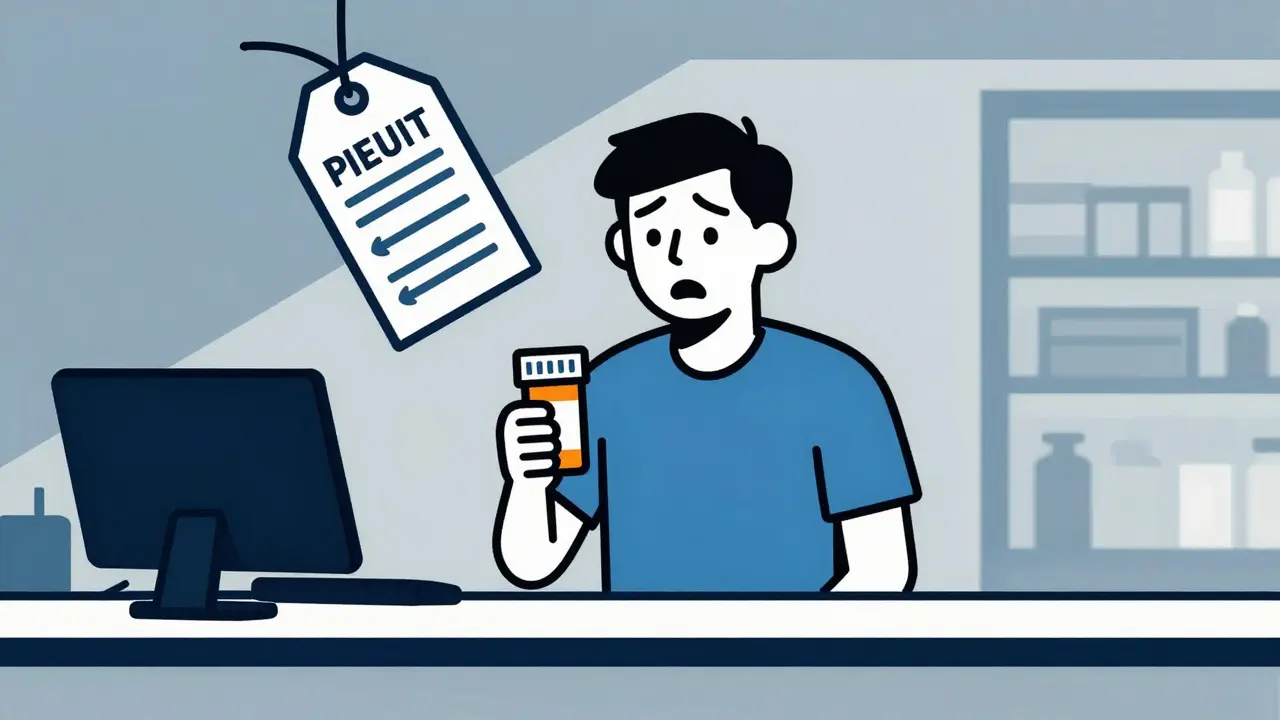
Have you ever filled a prescription, only to be shocked by the price at the pharmacy counter? You might have assumed your employer health plan covered it fully. Instead, you were handed a bill that made you question if you even had insurance. This isn't just bad luck; it is often the result of how your company’s plan handles generic preferences and insurance formularies. Understanding these mechanisms is no longer optional-it is essential for protecting your wallet and your health.
What Are Insurance Formularies?
To navigate your coverage, you first need to understand what a formulary actually is. Simply put, a formulary is a list of medications that your health insurance plan will cover. It acts as a menu of approved drugs. If a medication is not on this list, your insurer usually won’t pay for it, leaving you to foot the entire bill unless you fight for an exception.
These lists are not random. They are carefully curated by Pharmacy Benefit Managers (PBMs), such as OptumRx, CVS Caremark, and Express Scripts. These companies act as middlemen between drug manufacturers, insurance companies, and pharmacies. Their primary job is to negotiate prices and manage costs for the employer sponsoring the plan. Because they hold so much power, their decisions directly impact which drugs you can access and how much you pay out of pocket.
The Tiered System: Why Generics Win
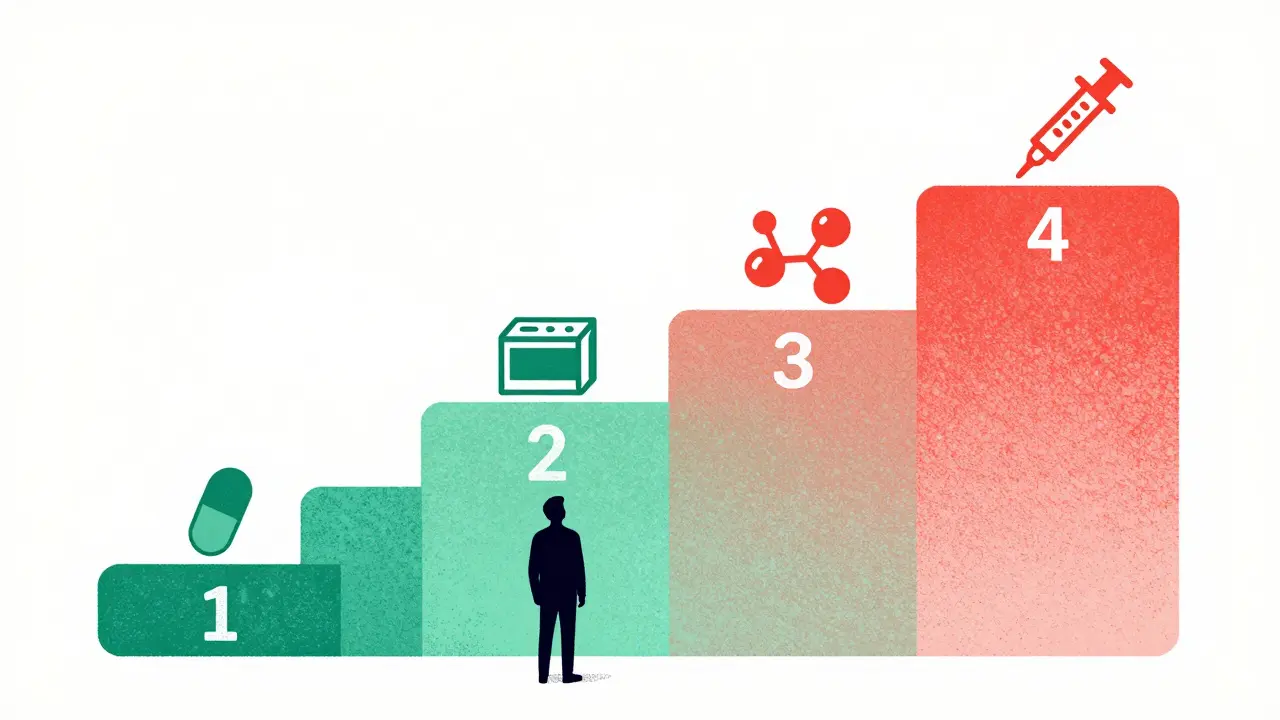
Most employer plans use a tiered system to categorize drugs based on cost. Think of it like airline seating: economy, business, and first class. Each level has a different price tag.
- Tier 1: Typically includes generic medications. These have the lowest copayments, often around $10 or less.
- Tier 2: Preferred brand-name drugs. These cost more, perhaps $40 per fill.
- Tier 3: Non-preferred brand-name drugs. Copays jump significantly here, sometimes to $75 or higher.
- Tier 4: Specialty medications. These are high-cost drugs for complex conditions and carry the highest out-of-pocket expenses.
The system heavily favors generics. Why? Because generic drugs are required by the Food and Drug Administration (FDA) to be just as safe and effective as their brand-name counterparts. However, because generic manufacturers don’t spend billions on clinical trials and marketing, they can sell their products for 80% to 85% less. For employers trying to control healthcare spending, pushing employees toward Tier 1 generics is one of the most effective budget-saving strategies available.
| Formulary Tier | Meditation Type | Average Copayment | Why This Price? |
|---|---|---|---|
| Tier 1 | Generic | $10 - $15 | Lowest manufacturing cost; high competition |
| Tier 2 | Preferred Brand | $30 - $50 | Brand loyalty negotiated into lower rebate tiers |
| Tier 3 | Non-Preferred Brand | $60 - $90+ | Higher rebates paid to PBM; limited alternatives |
| Tier 4 | Specialty Drugs | Percentage of cost (e.g., 20%) | High complexity and acquisition cost |
The Hidden Cost: Gross-to-Net Pricing
You might wonder why brand-name drugs remain so expensive if PBMs negotiate discounts. The answer lies in a concept called Gross-to-Net (GTN) pricing. When a pharmaceutical company sells a drug, the list price (what you see on the label) is rarely what the PBM actually pays. The net price includes rebates, contract discounts, and returns.
KPMG estimates that the average GTN spread-the difference between the list price and the net price-is about 55%. This means nearly half of the listed price is eaten up by negotiations behind the scenes. While this sounds like good news for savings, those savings do not always trickle down to you. Often, the PBM keeps a portion of the rebate, or the employer uses it to keep overall premiums stable rather than lowering your specific copay. This disconnect explains why you might see massive industry savings while still paying high prices at the pharmacy.
When Brand Names Become Generics
Here is where things get tricky for patients. When a patent expires and a brand-name drug becomes available as a generic, PBMs react quickly. They automatically move the new generic to Tier 1 with a low copay. Simultaneously, they push the original brand-name version up to Tier 3 or even Tier 4.
If you have been taking a brand-name drug for years, this shift can happen without much warning. Suddenly, your monthly copay jumps from $15 to $75 or more. Insurers expect you to switch to the cheaper generic. But what if you prefer the brand? Or what if you worry about differences in inactive ingredients? In these cases, you must file for a "medical necessity exception." This requires your doctor to prove that the generic will not work for you. Without this approval, you pay the full penalty price.
Navigating Formulary Exclusions
Sometimes, a drug isn’t just moved to a higher tier-it is removed from the formulary entirely. This is known as a formulary exclusion. In early 2024 alone, the three largest PBMs excluded over 1,800 prescription drugs combined. They use exclusions as powerful negotiating tools against pharmaceutical manufacturers. If a manufacturer refuses to offer a large enough rebate, the PBM simply blocks access to that drug for millions of members.
If your medication is excluded, you have a few options:
- Switch Medications: Ask your doctor for a therapeutically similar drug that is still on the formulary.
- Appeal the Decision: Work with your employer’s HR department or benefits administrator to file an appeal.
- Purchase Out-of-Network: Pay cash for the drug, though this offers no tax advantages or insurance protections.
Be aware that these changes can occur at any time. The Ohio Department of Administrative Services notes that due to the frequency of generics entering the market, formulary updates happen constantly and often without advance notice to individual patients. Vigilance is key.
Consumer Driven Health Plans (CDHPs)
Many employers are shifting toward Consumer Driven Health Plans (CDHPs), such as High Deductible Health Plans (HDHPs) paired with Health Savings Accounts (HSAs). These plans place more financial responsibility on the employee. The logic is that when you feel the pinch of paying out of pocket, you become a smarter consumer.
In a CDHP environment, understanding generic preferences becomes critical. Since you are paying more upfront until you hit your deductible, choosing a Tier 1 generic over a Tier 3 brand name can save you hundreds of dollars annually. Employers supporting CDHPs often provide tools like "Price Assure" programs, which automatically apply savings to generic fills at in-network pharmacies. Utilizing these tools can make a significant dent in your annual healthcare costs.
Practical Steps to Protect Your Wallet
You do not have to guess whether your medication is covered. Take these concrete steps before you fill your next prescription:
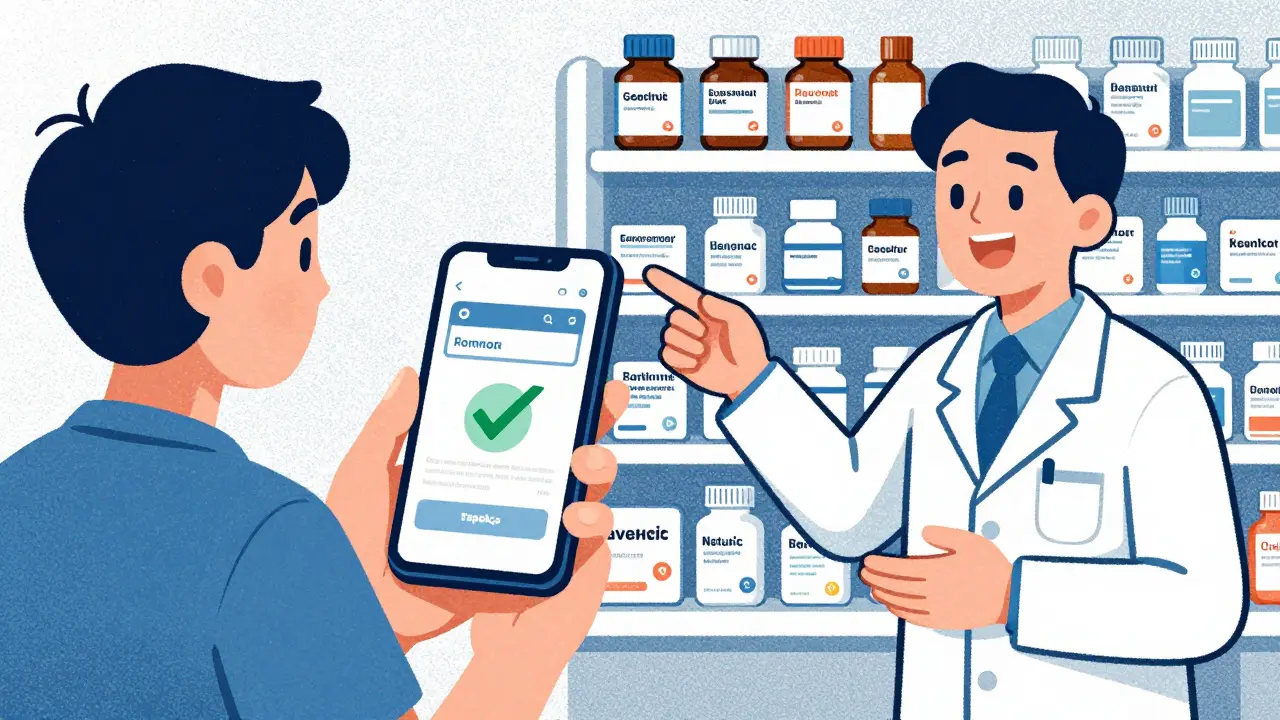
- Check the Formulary Online: Log in to your insurer’s website or app. Search for your medication by name. Note its tier level and current copay.
- Read the Summary of Benefits: This document outlines your specific cost-sharing responsibilities for each tier.
- Talk to Your Pharmacist: Pharmacists know the formulary better than anyone. Ask them, "Is there a generic equivalent available?" or "Will my insurance cover this brand name?"
- Contact Member Services: If the online info is unclear, call the number on your insurance card. Ask specifically about "formulary status" and "prior authorization requirements."
If you have a chronic condition like diabetes, asthma, or hypertension, look for specialized support programs. Organizations like HealthOptions.org offer care managers who can help navigate difficult coverage issues and find affordable ways to get the medicine you need.
The Future of Prescription Coverage
As prescription drug costs continue to rise, the pressure on employers to control spending will intensify. We can expect to see more aggressive formulary exclusions and stricter generic substitution policies. Regulatory scrutiny of PBM practices, particularly regarding the gross-to-net spread, may increase, potentially leading to more transparent pricing models.
For now, the ball is in your court. By understanding how formularies work, recognizing the value of generic medications, and proactively checking your coverage, you can avoid surprise bills and ensure you get the treatment you need without breaking the bank. Don’t wait until you are at the pharmacy counter-do the homework beforehand.
Are generic drugs really as safe as brand-name drugs?
Yes. The FDA requires generic drugs to contain the same active ingredient, strength, dosage form, and route of administration as the brand-name product. They must also meet identical standards for quality, performance, and consistency. While inactive ingredients (like dyes or fillers) may differ slightly, they do not affect the drug's therapeutic effect.
What happens if my medication is not on the formulary?
If a drug is excluded, your insurance will likely not cover it. You would have to pay the full retail price. To avoid this, you can ask your doctor to prescribe a different, covered medication. Alternatively, you can file a "medical necessity exception" or prior authorization request, where your doctor proves why the specific non-formulary drug is medically required for your condition.
Why did my copay increase suddenly?
A sudden increase often occurs when a brand-name drug you take loses its patent protection and a generic version becomes available. The PBM moves the generic to Tier 1 (low cost) and pushes the brand name to Tier 3 or 4 (high cost). Check your formulary to see if a generic alternative exists.
What is a Pharmacy Benefit Manager (PBM)?
A PBM is a third-party company that manages prescription drug benefits for health insurance plans. They negotiate prices with drug manufacturers, create formularies, process claims, and determine which pharmacies participate in the network. Major PBMs include OptumRx, CVS Caremark, and Express Scripts.
How can I find out if my drug is covered?
You should check your insurer’s website or mobile app using the "Drug Lookup" tool. Enter your medication name to see its tier level and estimated copay. You can also call the customer service number on your insurance card or ask your pharmacist to verify coverage before filling the prescription.