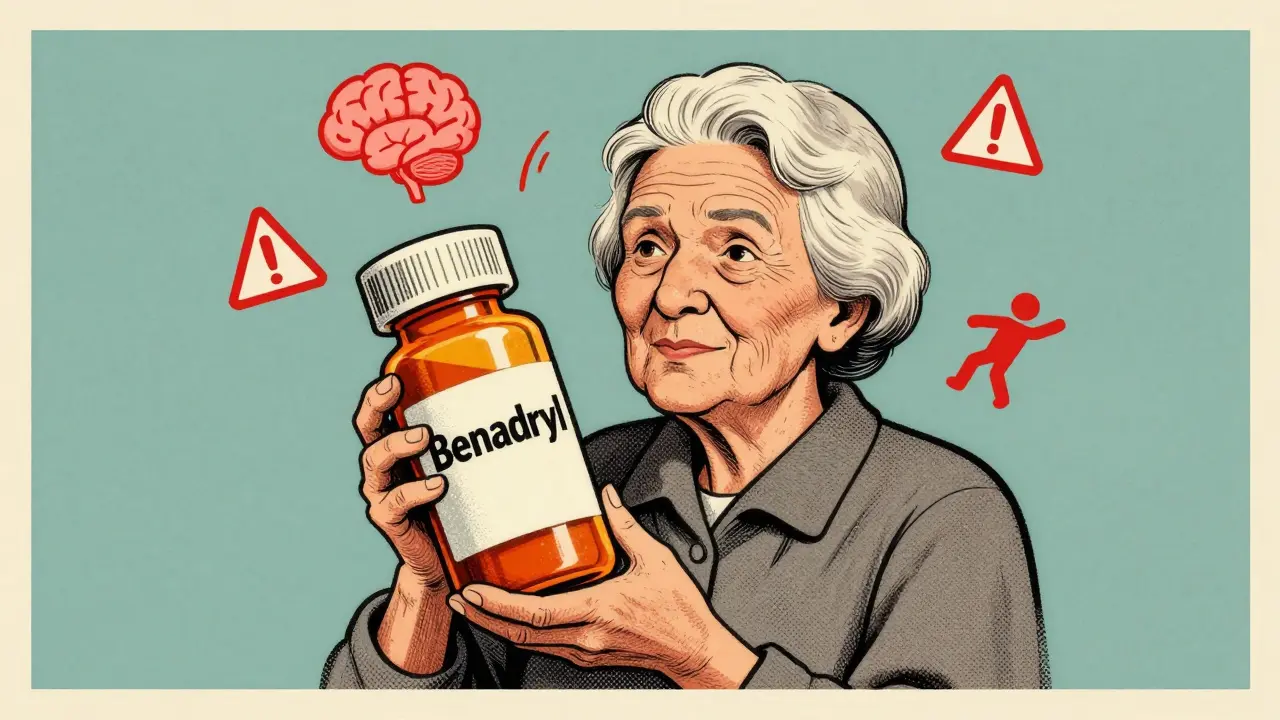
Every year, thousands of older adults end up in the hospital because of medications that were supposed to help them. Not because they took too much, but because they took the wrong ones. The Beers Criteria exists to stop that.
What Exactly Is the Beers Criteria?
The Beers Criteria is a list of medications that doctors and pharmacists are warned to avoid-or use with extreme caution-in adults aged 65 and older. It’s not a ban. It’s a red flag system. Developed by Dr. Mark Beers in 1991 and officially adopted by the American Geriatrics Society (AGS) in 2011, it’s been updated every three years since. The latest version, released in May 2023, is based on over 7,300 research studies. That’s 22% more evidence than the 2019 version.Why does this matter? Seniors make up just 13.5% of the U.S. population, but they take 34% of all prescription drugs. That’s a lot of pills. And with age comes changes in how the body processes medicine-slower kidneys, weaker liver function, more sensitive brains. What’s safe for a 40-year-old might be dangerous for a 75-year-old.
Five Ways the Beers Criteria Protects Seniors
The 2023 Beers Criteria doesn’t just say “don’t use this.” It breaks things down into five clear categories to help providers make smarter choices.
- Medications to avoid entirely-These are drugs with risks that almost always outweigh benefits. Examples: first-generation antihistamines like diphenhydramine (Benadryl) and hydroxyzine. They’re often used for sleep or allergies, but they block acetylcholine, a brain chemical. That leads to confusion, dry mouth, constipation, and even falls. Moderate-quality evidence shows these drugs increase dementia risk over time.
- Medications dangerous with certain conditions-NSAIDs like ibuprofen and naproxen are fine for healthy people, but they can cause fluid retention and worsen heart failure. For someone with congestive heart failure, even a daily Tylenol might be safer than an NSAID.
- Medications to use with caution-Some drugs aren’t outright banned, but need extra care. Dabigatran (Pradaxa), an anticoagulant, increases bleeding risk in people over 75 or with kidney function below 30 mL/min. Warfarin might be a better choice here, even though it needs blood tests.
- Harmful drug combinations-Mixing an anticholinergic (like oxybutynin for overactive bladder) with an opioid (like oxycodone) is a recipe for trouble. Both slow down gut movement and brain activity. The result? Severe constipation, urinary retention, and mental fog. These combos are a common cause of hospital visits.
- Drugs needing kidney dose adjustments-Gabapentin, used for nerve pain, is cleared by the kidneys. If kidney function drops below 60 mL/min, the dose must be lowered. Otherwise, it builds up and causes dizziness, drowsiness, or even seizures.
The 2023 update added 32 new medications to the list and removed 18 based on new data. That’s how the science evolves. What was once considered safe might now be flagged-and vice versa.
How It Compares to Other Tools
There’s another guideline called STOPP/START, popular in Europe. It looks at both inappropriate prescriptions (STOPP) and missed opportunities (START). But in the U.S., the Beers Criteria dominates. Why? Because it’s built into Medicare’s rules.
Medicare Part D, which covers prescription drugs for seniors, now requires pharmacies and care teams to use the Beers Criteria when reviewing medications for people taking eight or more drugs. Over 87% of U.S. electronic health records have Beers alerts built in. In Europe, only 42% of systems use STOPP/START.
But Beers isn’t perfect. It flags medications based on the drug alone-not the reason it was prescribed. For example, antipsychotics like risperidone are on the list for dementia-related agitation. But in rare cases, when a patient is violent or hallucinating dangerously, the benefit might outweigh the risk. STOPP/START accounts for this better. Beers doesn’t.
Real Impact: Numbers That Matter
The Beers Criteria isn’t just theory. It saves lives.
When clinics use it properly, adverse drug events drop by 28%. One study found benzodiazepine prescriptions for insomnia in patients over 75 fell by 43% after EHR alerts were added. That’s huge. Benzodiazepines like lorazepam and diazepam increase fall risk by 50% in seniors.
But here’s the problem: 68% of geriatricians say the alerts help. But 32% of primary care doctors say they’re overwhelmed. One provider reported 12 Beers alerts per patient visit. That’s alert fatigue. When everything glows red, nothing stands out.
Pharmacists, who do detailed medication reviews, report 89% satisfaction. They’re trained to dig through the noise. Nurses and physicians often aren’t.
Implementation Challenges
Knowing the list isn’t enough. Using it consistently is harder.
Only 41% of primary care practices apply the Beers Criteria regularly, according to the CDC. Why? Time. Training. Lack of support.
Hospitals that succeed assign pharmacist-led teams to review flagged prescriptions. They don’t just delete the drug-they offer alternatives. For insomnia, instead of zolpidem (which is flagged), they suggest cognitive behavioral therapy. For chronic pain, they recommend physical therapy or acetaminophen over NSAIDs.
Renal dosing is another sticking point. Sixty-three percent of clinics struggle with adjusting doses for kidney problems. That’s why the 2026 update will expand kidney-specific guidance to cover 100% of medications cleared by the kidneys-up from 68% now.
What’s New in 2025: Alternatives Matter
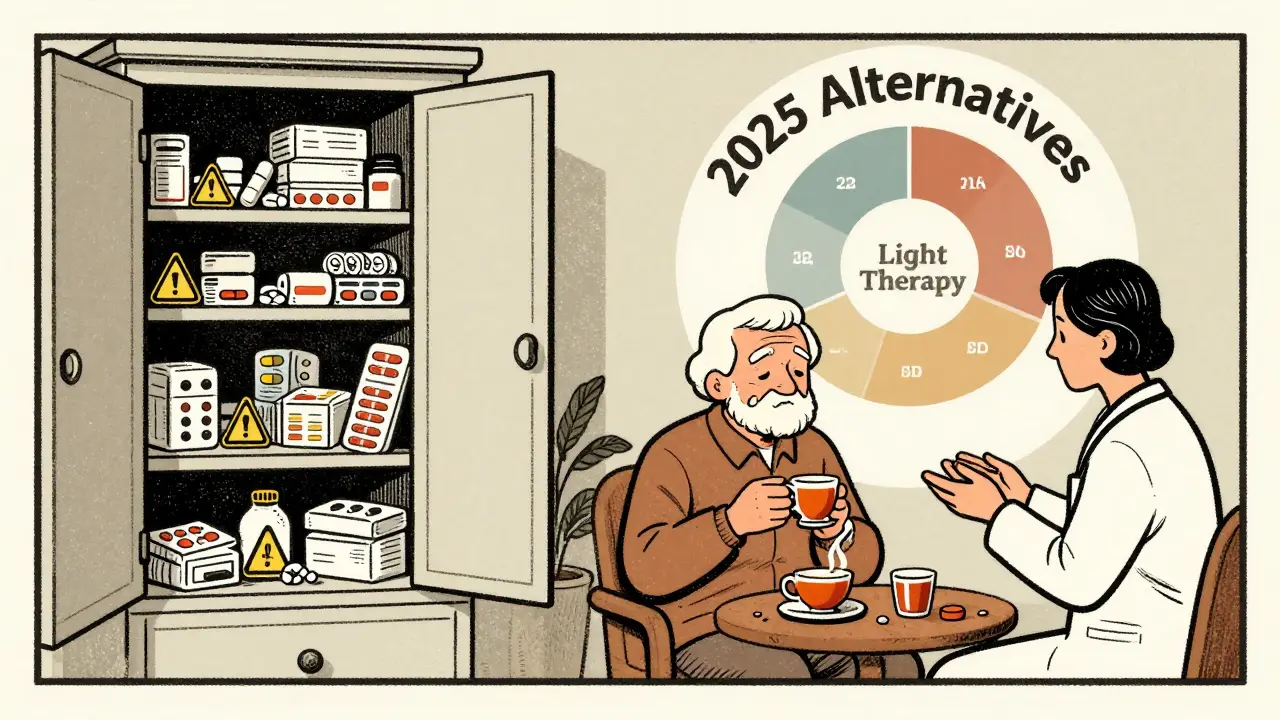
In July 2025, the AGS released a companion guide: Alternative Treatments to Selected Medications in the 2023 Beers Criteria. This isn’t just “avoid this.” It’s “try this instead.”
For example:
- Instead of diphenhydramine for sleep: melatonin (low dose), sleep hygiene training, or light therapy.
- Instead of gabapentin for nerve pain: duloxetine (if no contraindications), physical therapy, or acupuncture.
- Instead of antipsychotics for agitation: environmental changes, music therapy, or caregiver education.
This shift-from warning to offering solutions-is a game-changer. It turns a list of “don’ts” into a roadmap for better care.
What’s Missing: The Cost Problem
Here’s a hard truth: sometimes the safer drug costs $200 a month. The flagged drug costs $5.
One in four seniors on Medicare skip doses or cut pills because of cost. The Beers Criteria doesn’t address this. Dr. Jerry Avorn from Harvard says this is a major flaw. A doctor might know clonazepam is risky for a senior with dementia-but if the alternative (a non-benzodiazepine sleep aid) is unaffordable, what’s the right choice?
That’s why some experts recommend pairing Beers with the Medication Appropriateness Index, which includes cost, adherence, and patient goals.
What Seniors Should Know
Most seniors don’t know their meds are being checked against the Beers Criteria. A 2023 survey found 61% of older adults were unaware their prescriptions were being reviewed for safety.
Ask your doctor or pharmacist: “Is this medication on the Beers Criteria list? Is there a safer option?”
Don’t assume your meds are fine just because they were prescribed years ago. Your body changes. Your other meds change. Your needs change.
Bring a full list of everything you take-including over-the-counter drugs, vitamins, and supplements-to every appointment. Many flagged medications are hidden in cold medicines, sleep aids, or antihistamines.
Final Thoughts: A Tool, Not a Rulebook
The Beers Criteria isn’t about taking away treatment. It’s about replacing risky choices with safer ones. It’s about respecting the aging body, not just treating symptoms.
It’s not flawless. It’s not perfect. But it’s the most widely used, evidence-backed tool we have to protect older adults from harm caused by their own medicine.
As the 2026 update rolls out-with AI tools in development and global translations expanding-it will keep getting better. The goal isn’t to eliminate all risk. It’s to reduce the preventable kind.
What is the purpose of the Beers Criteria?
The Beers Criteria helps doctors and pharmacists identify medications that may do more harm than good for adults aged 65 and older. It’s designed to reduce adverse drug events, hospitalizations, and side effects caused by inappropriate prescribing in older adults.
Are all drugs on the Beers Criteria list completely banned for seniors?
No. The list doesn’t mean “never use.” It means “use with caution” or “only if no safer alternative exists.” For example, antipsychotics are flagged for dementia-related behavior, but may still be needed if a patient is a danger to themselves or others. The goal is thoughtful use, not blanket avoidance.
How often is the Beers Criteria updated?
The American Geriatrics Society updates the Beers Criteria every three years. The most recent version was published in May 2023, with a companion guide on alternatives released in July 2025. Updates are based on new clinical research and real-world outcomes.
Can I trust my doctor if they prescribe a Beers Criteria drug?
Yes-if they explain why. Many seniors need medications that appear on the list because no other option works. What matters is whether your provider considered the risks, weighed alternatives, and discussed the decision with you. Ask: “Is this the safest choice for me right now?”
How can I check if my meds are on the Beers Criteria list?
You can download the free Beers Criteria mobile app from the American Geriatrics Society or access the full list at their website. Bring your medication list to your pharmacist-they’re trained to cross-check prescriptions against the criteria. Don’t wait for your doctor to bring it up-ask.
Why do some doctors ignore the Beers Criteria?
Some face too many alerts in their electronic system, leading to alert fatigue. Others lack time or training to interpret the guidelines. Some are unaware of the latest updates. And a few still rely on old habits. But when used properly-with pharmacist support and patient communication-it reduces hospitalizations and improves quality of life.
14 Comments
Cameron HooverDecember 21, 2025 AT 21:46
This is the kind of info every family should have. My grandma was on Benadryl for years for sleep-no one ever told us it could mess with her brain. She started falling more, and we thought it was just aging. Turns out, it was the meds. Glad there’s a list now. Hope more docs actually use it.
Stacey SmithDecember 23, 2025 AT 15:53
Another government overreach. If you can’t manage your own meds, maybe you shouldn’t be driving or living alone. Stop coddling seniors and start holding them accountable.
Ben WarrenDecember 24, 2025 AT 18:00
While the Beers Criteria represents a significant advancement in geriatric pharmacovigilance, its implementation remains hampered by systemic deficiencies in clinical workflow integration, cognitive load on primary care providers, and insufficient emphasis on individualized risk-benefit analysis. The algorithmic nature of the list, while empirically grounded, risks reducing complex clinical decision-making to binary flagging systems that neglect contextual nuance, particularly in polypharmacy scenarios where therapeutic alternatives may be contraindicated due to comorbidities or socioeconomic constraints. Furthermore, the absence of cost-effectiveness metrics undermines its utility in resource-limited settings, thereby perpetuating disparities in care delivery.
Teya Derksen FriesenDecember 25, 2025 AT 17:42
As a pharmacist in Ontario, I see this every day. The 2023 update is a game-changer-especially the alternatives guide. We’ve started handing out printed one-pagers to patients: ‘Here’s what to avoid, and here’s what we can try instead.’ Families are grateful. Doctors are finally listening. It’s slow, but it’s working.
Sandy CruxDecember 25, 2025 AT 21:37
Let’s be honest: this is just another way for the American Geriatrics Society to inflate its own prestige. Who even decided these criteria? A panel of academics who’ve never met a real senior? And now they’re pushing ‘music therapy’ for agitation? Please. If someone’s hallucinating, they need medication-not a ukulele.
Hannah TaylorDecember 27, 2025 AT 07:08
u/just sayin but… what if the beers criteria is just a big pharma plot? i mean, they want you to buy the expensive new drugs instead of benadryl. and why do they always add new stuff? it’s like they want us to be confused so we’ll keep going back for more pills. also, my uncle took gabapentin for 10 years and he’s fine. so maybe it’s not that bad??
mukesh matavDecember 28, 2025 AT 01:21
Thank you for sharing this. In India, we rarely have access to such guidelines. Many elderly patients are prescribed medications based on tradition, not evidence. This could be a valuable reference for our community clinics if translated properly.
Peggy AdamsDecember 28, 2025 AT 22:24
Yeah right. My mom’s doctor ignored the Beers list and gave her a new sleeping pill. Now she’s zombified. And the pharmacy didn’t even blink. Who’s really in charge here? Not doctors. Not pharmacists. Just profit.
Sarah WilliamsDecember 30, 2025 AT 05:32
This is so important. I’ve been telling my dad for years to stop taking that antihistamine. He said, ‘It’s just Benadryl, it’s over the counter!’ Now I’m printing out the Beers list and putting it on his fridge. Someone’s gotta be the voice.
Dan AdkinsDecember 31, 2025 AT 22:14
The Beers Criteria is a commendable initiative rooted in evidence-based geriatrics; however, its efficacy is contingent upon the structural integrity of healthcare delivery systems. In nations with fragmented primary care infrastructure, such as the United States, the utility of such guidelines is diluted by inconsistent adherence, inadequate training, and the absence of multidisciplinary oversight. Furthermore, the exclusion of pharmacoeconomic variables renders the criteria incomplete in real-world application. A truly comprehensive framework must integrate cost, accessibility, and patient autonomy as core dimensions-not afterthoughts.
Grace RehmanJanuary 1, 2026 AT 17:17
So we’ve created a list of bad drugs… and then we made a list of better ones… but nobody’s asking why seniors are on so many drugs in the first place? Why do we treat aging like a disease to be medicated? Maybe the real problem isn’t the pills-it’s that we’ve stopped listening to people and started treating them like machines that need fixing
Adrian ThompsonJanuary 2, 2026 AT 13:01
Beers Criteria? More like the Beers Conspiracy. Big Pharma hates cheap drugs. That’s why they pushed this. Benadryl’s been around since 1946. Now suddenly it’s dangerous? And now they want you to pay $200 for melatonin? Come on. This is just a way to sell more expensive stuff. And don’t get me started on the ‘alternatives’-music therapy? Seriously?
Jon ParamoreJanuary 3, 2026 AT 00:57
Quick note: gabapentin dosing for renal impairment is critical. If eGFR <60 mL/min, reduce by 50%. If <30, reduce by 75%. Many clinicians miss this. The 2026 update will fix this gap. Also-diphenhydramine isn’t just risky for cognition. It’s a top cause of urinary retention in men with BPH. Check your meds. Always.
Swapneel MehtaJanuary 3, 2026 AT 03:40
Great breakdown. I shared this with my uncle’s doctor after he was hospitalized from a drug interaction. He didn’t even know oxybutynin and oxycodone were a bad combo. Now he’s on a safer regimen. Knowledge is power-and this list is the map.