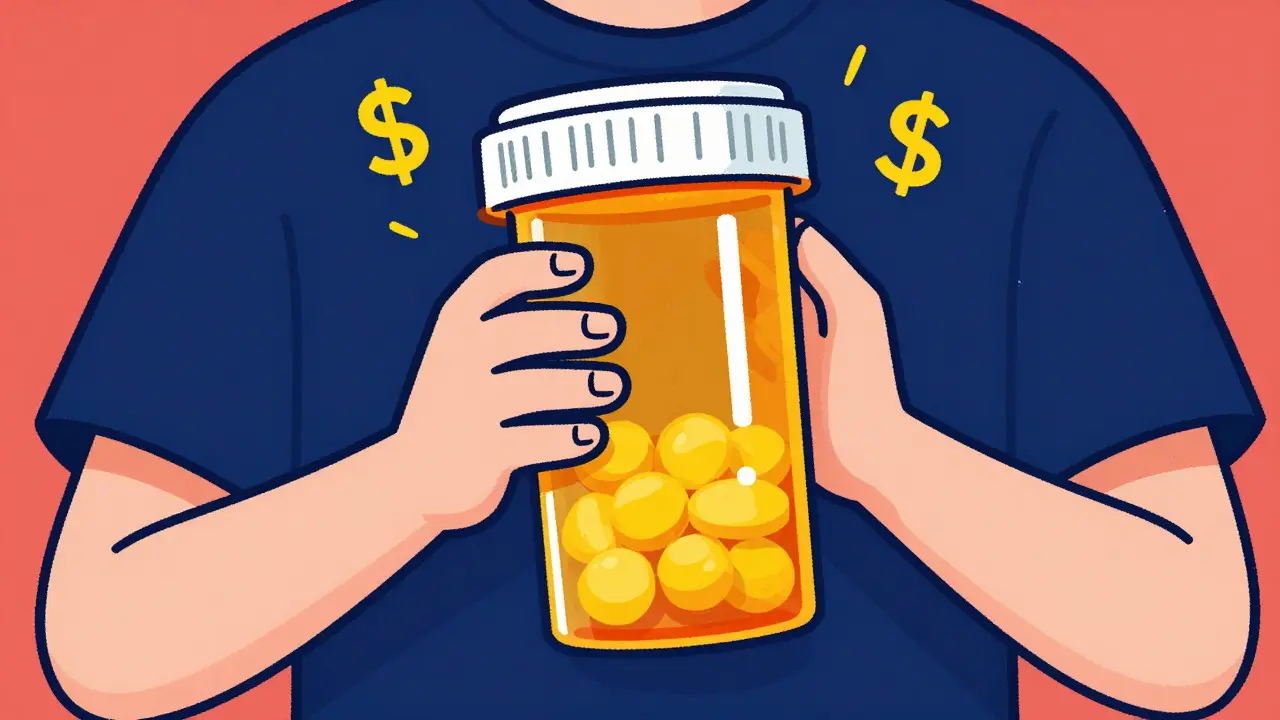
Imagine being told your blood pressure medication is $450 a month. You might skip doses, or worse, stop taking it entirely because the price tag feels impossible. You are not alone. According to recent data, about 23% of adults report not filling prescriptions simply because they cannot afford them. This gap between what doctors prescribe and what patients can pay creates a dangerous cycle of poor health outcomes and financial stress. The solution often lies in a strategy called therapeutic alternative requests, which allows you to switch to a different drug that works similarly but costs significantly less.
This isn't just about swapping one pill for another; it's a clinical process with specific rules and benefits. If you have ever felt stuck between needing a medication and fearing the bill, this guide will show you exactly how to navigate the system. We will break down the difference between simple generic swaps and true therapeutic interchanges, walk through the step-by-step process of making the request, and provide scripts you can use with your doctor. By the end, you will know how to advocate for yourself without feeling like you are arguing over money.
Understanding Therapeutic Interchange vs. Generic Substitution
Before you ask for a change, you need to know what kind of change you are asking for. There are two main ways to lower medication costs, and they work differently.
Generic Substitution is the practice of replacing a brand-name drug with its chemically identical generic version. For example, switching from the brand name Lipitor to generic atorvastatin. The chemical structure is the same, the dosage is the same, and the expected results are the same. This usually happens automatically at the pharmacy if your insurance allows it, saving you 80-90% of the cost.
Therapeutic Interchange is a more complex process where a prescriber switches a patient to a different medication within the same therapeutic class that has similar pharmacological effects. For instance, instead of taking one type of statin, you might take a different statin that is cheaper. Or, instead of a specific proton pump inhibitor like esomeprazole (Nexium), you might take omeprazole. These drugs are not chemically identical, but they treat the same condition effectively. This requires a doctor's active decision rather than an automatic pharmacy swap.
The key difference is control. Generic substitution is passive; therapeutic interchange is active. It requires evidence that the new drug works just as well. In many cases, therapeutic interchange saves you 30-60% off the original cost, which is significant when generics aren't available or are still expensive.
| Strategy | What Changes | Typical Savings | Who Initiates |
|---|---|---|---|
| Generic Substitution | Brand name to identical generic | 80-90% | Pharmacy/Insurance |
| Therapeutic Interchange | One drug to a similar-class drug | 30-60% | Patient/Provider |
| Step Therapy | Try cheap option before expensive one | Varies | Insurance Plan |
Why Your Doctor Might Be Hesitant
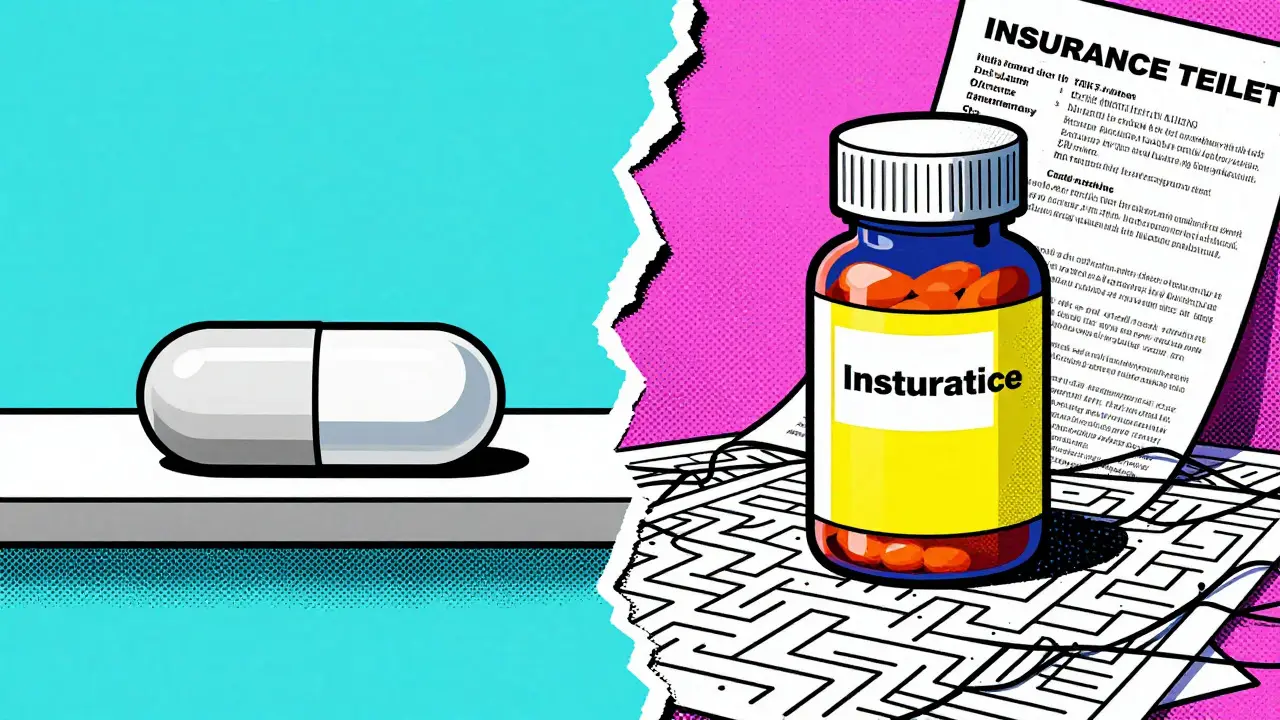
You might wonder why your doctor hasn't already switched you to the cheaper option. It’s not always laziness. Doctors are trained to be cautious. A 2023 survey found that 37% of patients reported initial resistance from providers when suggesting alternatives. Why? Because "different" doesn't always mean "identical."
For most conditions, like high blood pressure or cholesterol, the differences between drugs in the same class are minimal. However, for some conditions, like diabetes or autoimmune diseases, individual responses can vary. One patient might thrive on Drug A, while another needs Drug B. Your doctor wants to avoid a situation where you switch, don't feel better, and then have to switch back, wasting time and money.
To overcome this hesitation, you need to bring data, not just complaints. When you approach your provider, have a specific alternative in mind. For example, if you are on a brand-name acid reducer, ask: "Is there a generic equivalent in the same class that covers my insurance tier?" This shifts the conversation from "I'm broke" to "Let's look at the clinical options."

Step-by-Step Guide to Making the Request
Requesting a therapeutic alternative is a structured process. Follow these steps to maximize your chances of success.
- Check Your Insurance Formulary: Before your next appointment, log into your insurance portal. Look up your current medication. See if a generic version is listed on a lower cost tier. Also, search for other drugs in the same category to see their prices. Many insurers publish "preferred
8 Comments
Paul CoarAugust 21, 2026 AT 18:40
ok so i just read this and its actually kinda helpful. most people think they have to beg the doctor but its really just a form thing. my wife had to do this for her thyroid meds last year and it took like two weeks. just print out the list of cheaper options from your insurance site before you go in. saves time.
Vivek sharmaAugust 23, 2026 AT 02:19
This is a beautiful reminder that healthcare is not just a transaction, but a partnership :)
In India, we often rely on generic manufacturers which keeps costs low, but here in the West, the patent system creates these artificial barriers. It is fascinating how policy dictates biology. The concept of therapeutic interchange is essentially about restoring agency to the patient. We must remember that the body is resilient and often does not care about the brand name, only the chemical structure. Let us advocate for transparency in pricing. It is a philosophical issue as much as a medical one. The cost of life should not be a luxury good. Keep pushing for change everyone!
Saher GhattasAugust 24, 2026 AT 00:57
Let's be real for a second. This whole 'therapeutic interchange' thing is just a front door for Big Pharma to rotate their inventory. You think the doctor cares? No. The algorithm decides. They want you on the new molecule because the old one is off-patent and margin is thin. It's supply chain management disguised as clinical care. Check the FDA warning letters if you don't believe me. The 'savings' are an illusion until the next price hike hits. Trust no one. Not the doc, not the insurer, definitely not the 'patient advocate' groups funded by industry money.
Marc-Alexandre RizzoAugust 24, 2026 AT 16:40
Oh, give it a rest, will you?
You sound like a guy who thinks the moon landing was filmed in a studio with bad lighting. Sure, there are incentives in pharma, but let’s not pretend that a $450 copay is a conspiracy theory. It’s just math. And sometimes, switching from a brand-name PPI to a generic one is literally just... saving money. Not a plot twist. Not a shadowy deal. Just arithmetic. Your cynicism is exhausting, honestly. Most doctors just want to help you without watching you bleed out financially. Try trusting the process once in a while. It’s less tiring for everyone involved.
Ella MentryAugust 26, 2026 AT 12:34
Okay but did you guys even read the part about the scripts? I feel like everyone is just venting here instead of actually using the tool. I tried this exact script with my dermatologist last month and she was SO annoyed at first. Like, why am I making her work? But then when I showed her the formulary tier difference, she just sighed and changed the prescription. It worked! Now I’m paying $15 instead of $120. Don’t let the grumpy comments scare you off. It’s worth the awkward conversation. Seriously, just do it. You’ll feel so much better knowing you’re not overpaying. Also, bring a friend if you’re nervous, or just text them after. It’s a team sport, kind of?
Darcy GalwayAugust 26, 2026 AT 20:21
I live in Canada so our system is a bit different but the idea is the same. Doctors here are pretty used to checking the drug formulary. It is not as hard as it sounds. Just ask nicely. The key is to be polite. If you are rude, they get defensive. If you are calm, they help. Simple rule.
Simon-Pierre BouchardAugust 27, 2026 AT 00:07
Garry HedgesAugust 28, 2026 AT 00:32
this is great info. i always thought you had to fight for it. turns out you just have to ask. simple. also the typo in the post title? 'lower-cost' vs 'low cost'? whatever. point stands. save money. live longer. easy.