
Have you ever wondered why getting pregnant might be harder than expected, even when everything else seems normal? For many women, the answer lies in a tiny gland at the base of their neck. Your thyroid is a butterfly-shaped gland that produces hormones regulating metabolism, energy, and reproductive function. When this gland underperforms, it sends a ripple effect through your body, often hitting your ability to conceive first.
If you are planning a pregnancy, understanding your Thyroid-Stimulating Hormone (TSH) levels is not just a routine checkup; it is a critical step in protecting your future baby’s brain development and your own chances of a successful conception. The numbers on your lab report matter more than you might think, especially the specific target range doctors recommend before you even get pregnant.
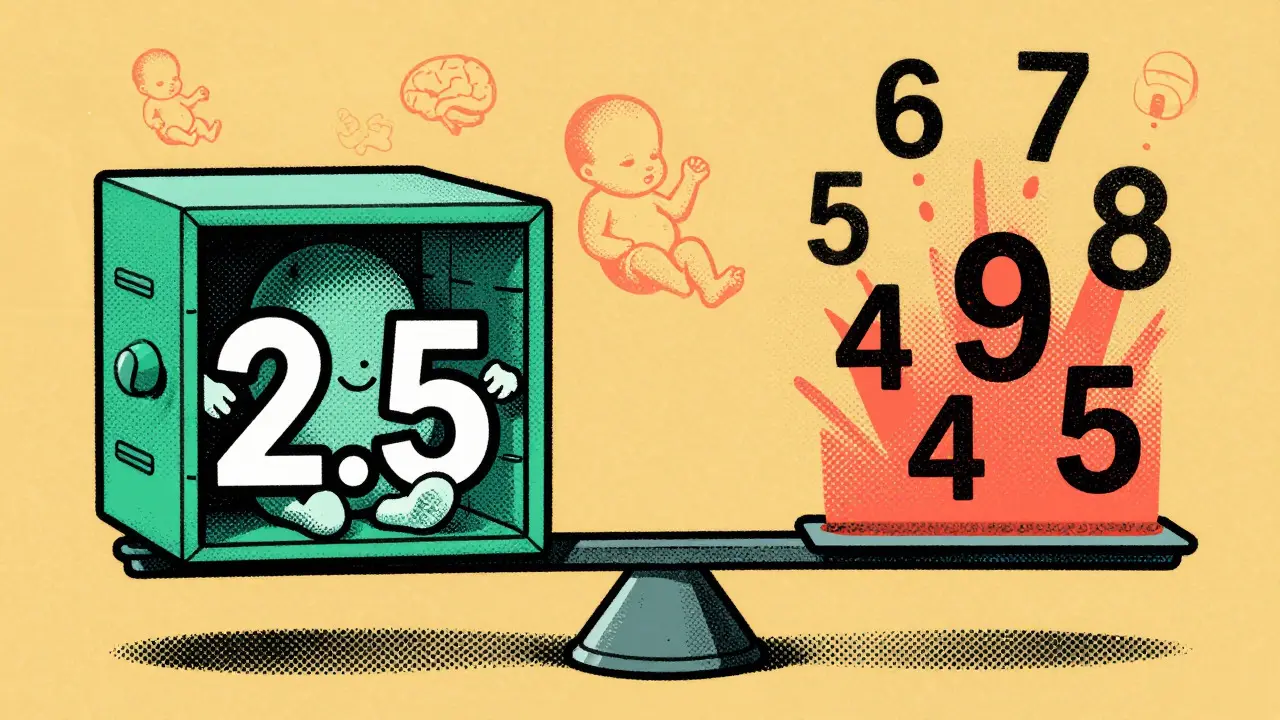
The Critical 2.5 mIU/L Target for Preconception
You might have heard that your TSH level should be between 0.4 and 4.0 mIU/L. That is true for the general population. But if you are trying to conceive, that range is too wide. The American Thyroid Association (ATA) established in its 2017 guidelines that women with primary hypothyroidism who are planning pregnancy should aim for a TSH concentration below 2.5 mIU/L.
Why such a strict cutoff? Research shows that even mild thyroid dysfunction-where your TSH is technically "normal" but on the higher end-can impact fertility outcomes. A 2018 study published in PMC found that women with unexplained infertility had significantly higher TSH levels than control groups. In fact, nearly twice as many women with unexplained infertility had TSH levels ≥2.5 mIU/L compared to those without fertility issues (4.8% vs 2.6%).
This 2.5 mIU/L target isn't arbitrary. It stems from extensive evidence connecting higher TSH levels within the normal range to adverse reproductive outcomes. Think of it this way: your body needs extra thyroid hormone to support the growing fetus, especially in the first trimester when the baby relies entirely on your supply. If your baseline TSH is already creeping up, your thyroid may struggle to meet that increased demand once you conceive.
Hashimoto's Thyroiditis and Lower Targets
Do you have Hashimoto's thyroiditis? This is an autoimmune condition where your immune system attacks your thyroid gland, making it less efficient over time. If you have Hashimoto's, the standard 2.5 mIU/L target might still be too high for you.
According to patient information from the American Thyroid Association, women with Hashimoto's need pre-pregnancy TSH levels to be 30-50% lower than 2.5 mIU/L. That means aiming for approximately 1.25 to 1.75 mIU/L. Why so low? Because during early pregnancy, the demand on your thyroid spikes dramatically. If you start with a buffer-a lower TSH-you are more likely to maintain healthy thyroid function throughout those crucial first weeks.
Ignoring this nuance can lead to subtle hypothyroidism during pregnancy, which has been linked to miscarriage, preterm birth, and even impacts on fetal intellectual development. The goal is to optimize your thyroid reserve before you get pregnant, not play catch-up after you find out you're expecting.
Medication Management: Levothyroxine Best Practices
If your TSH is above the target, the standard treatment is levothyroxine, a synthetic form of the thyroid hormone T4. It is safe, effective, and widely used. However, how you take it matters just as much as the dose itself.
Here is what you need to know about managing levothyroxine while trying to conceive:
- Take it on an empty stomach: Swallow your pill with water only, at least 30 minutes before eating or drinking anything else (except water).
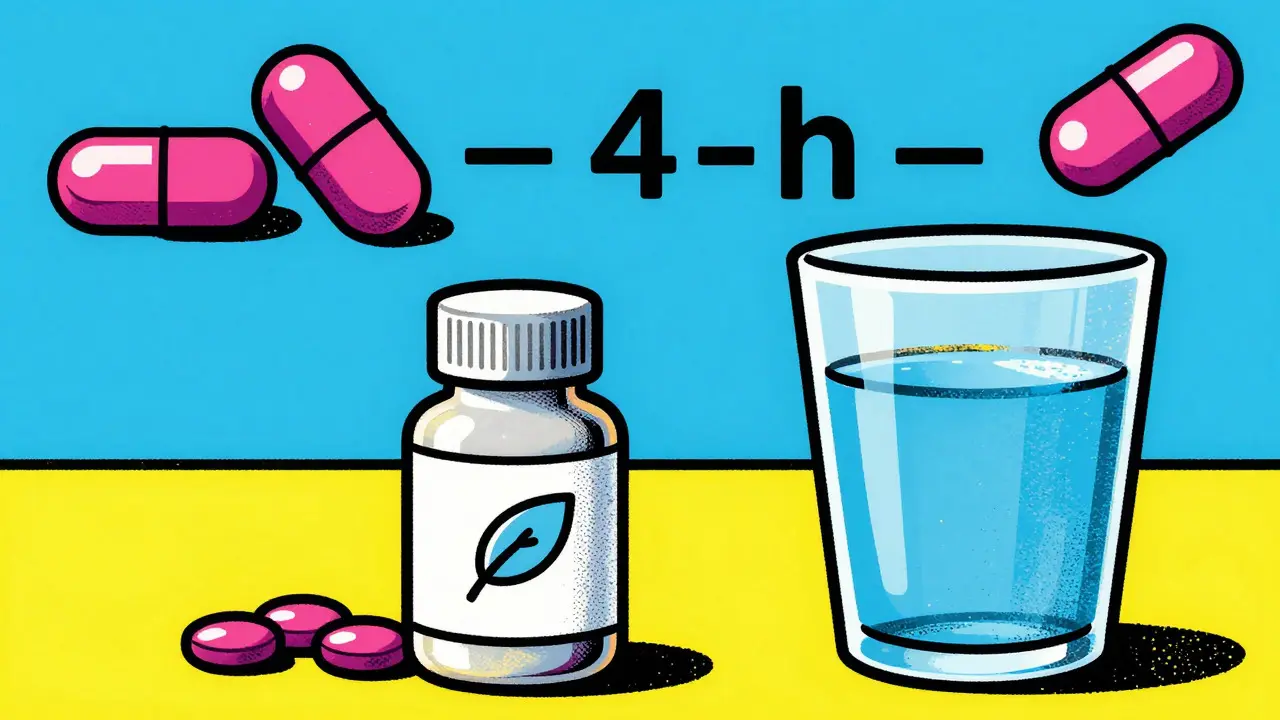
- Avoid interference: Calcium and iron supplements can block absorption. Wait at least 4 hours after taking levothyroxine before taking these supplements.
- Consistency is key: Take it at the same time every day to keep blood levels stable.
A major pitfall many women face is the assumption that their current dose will work once they get pregnant. It usually won't. Upon conception, most women need a 25-50% increase in their levothyroxine dose. A 2019 study noted that these adjustments are often inadequate, absent, or instituted too late in clinical practice. Only 37.2% of hypothyroid women received timely dose adjustments in one analysis. This gap in care can jeopardize the pregnancy.
Also, avoid desiccated thyroid preparations like Armor Thyroid. These contain natural thyroid extract but can lower serum T4 levels inconsistently. Most fertility specialists recommend sticking to pure levothyroxine for predictable results during preconception and pregnancy.
| Factor | General Population | Preconception / Pregnancy |
|---|---|---|
| TSH Target Range | 0.4 - 4.0 mIU/L | < 2.5 mIU/L (or < 1.75 mIU/L for Hashimoto's) |
| Monitoring Frequency | Every 6-12 months | Every 4 weeks until stable, then every 4-6 weeks in pregnancy |
| Dose Adjustment Needs | Rarely needed unless lifestyle changes | 25-50% increase typically required upon conception |
| Risk of Untreated Dysfunction | Fatigue, weight gain, cholesterol issues | Miscarriage, preterm birth, developmental delays |
Screening Controversies and Autoimmunity
Should everyone be screened for thyroid issues before trying to conceive? There is some debate here. The American College of Obstetricians and Gynecologists (ACOG) does not formally recommend universal screening for all women. However, the American Society of Reproductive Medicine (ASRM) specifically recommends TSH screening for all patients seeking infertility treatment.
Given that 15-20% of women presenting with infertility have abnormal TSH levels, screening makes sense if you have been trying for a while without success. Even more important is checking for thyroid antibodies. About 10-15% of infertile women have thyroid autoimmunity, compared to 5-8% in the general population.
If you have positive thyroid antibodies but a normal TSH, you are still at risk. The ASRM 2023 guideline notes a one-fold increased risk of miscarriage in these cases. Interestingly, pooled analysis of randomized controlled trials shows that treating these women with levothyroxine can reduce miscarriage rates by 45% and improve delivery rates by 36%. So, even if your TSH looks fine, knowing your antibody status can change your treatment plan.
Practical Steps for Preconception Optimization
So, what should you do right now if you are planning a pregnancy? Here is a clear action plan based on current best practices:
- Get Tested Early: Ask your doctor for a full thyroid panel, including TSH, Free T4, and thyroid peroxidase antibodies (TPO Ab), at least three months before you start trying to conceive.
- Optimize Your Dose: If you are already on medication, work with your endocrinologist to adjust your dose to hit the <2.5 mIU/L target (or lower if you have Hashimoto's). This process takes time because thyroid hormone replacement takes about 6 weeks to reach steady state in your blood.
- Monitor Closely: Once you achieve your target, retest every 4-6 weeks. Do not wait until you miss a period to check your levels again.
- Prepare for Conception: As soon as you get a positive pregnancy test, contact your doctor immediately. You will likely need a dose increase before your next blood draw.
- Review Supplements: Ensure you are taking a prenatal vitamin with iodine (150 mcg daily is recommended) but separate it from your thyroid medication by at least four hours.
Economic analyses show that this proactive approach saves money too. Preconception thyroid optimization generates $1,850-$2,400 in cost savings per pregnancy by reducing miscarriage rates and preterm deliveries. Considering levothyroxine costs only $4-$10 monthly, it is one of the highest-impact, lowest-cost interventions in reproductive medicine.
Emerging Guidelines and Future Directions
Science is always evolving. The European Thyroid Association’s 2023 consensus statement introduced even more nuanced targets, suggesting TSH <1.8 mIU/L for weeks 1-4 post-conception, reflecting the critical importance of early thyroid hormone availability for embryonic development. Meanwhile, a multicenter NIH-funded trial is examining whether personalized TSH targets based on individual thyroid reserve improve live birth rates compared to the standard <2.5 mIU/L target.
While we wait for final results from these studies, the current consensus remains clear: optimize your thyroid before you conceive. Dr. Alex Stagnaro-Green, lead author of the ATA’s 2017 guidelines, emphasizes that "thyroid dysfunction is a modifiable risk factor for adverse pregnancy outcomes, and optimizing TSH before conception is one of the most effective preventive interventions we have."
Don't leave your fertility to chance. A simple blood test and a small adjustment in medication can make a world of difference for your journey to parenthood.
What is the ideal TSH level before trying to conceive?
The American Thyroid Association recommends a TSH level below 2.5 mIU/L for women planning pregnancy. If you have Hashimoto's thyroiditis, the target is even lower, around 1.25 to 1.75 mIU/L, to account for increased thyroid demands during early pregnancy.
Can high TSH cause infertility?
Yes. High TSH indicates hypothyroidism, which can interfere with ovulation. Studies show that women with unexplained infertility often have higher TSH levels than fertile controls. Optimizing TSH can restore regular ovulation and improve conception chances.
How quickly does levothyroxine work to lower TSH?
It takes approximately 6 weeks for levothyroxine to reach a steady state in your bloodstream. Therefore, doctors typically adjust doses and retest TSH every 4 to 6 weeks to ensure you hit the target range safely.
Do I need to change my thyroid medication dose after I get pregnant?
In most cases, yes. Women typically need a 25-50% increase in their levothyroxine dose upon conception to support both maternal and fetal needs. Contact your doctor immediately after a positive pregnancy test to discuss dosage adjustments.
Is it safe to take levothyroxine while trying to conceive?
Yes, levothyroxine is considered safe and is the preferred treatment for hypothyroidism during preconception and pregnancy. It helps ensure adequate thyroid hormone levels for fetal brain development and reduces the risk of miscarriage.
What foods or supplements interfere with thyroid medication?
Calcium and iron supplements, as well as certain antacids, can block the absorption of levothyroxine. You should wait at least 4 hours after taking your thyroid medication before consuming these. Coffee and high-fiber foods can also interfere, so take your pill on an empty stomach with water only.
Should I get tested for thyroid antibodies if my TSH is normal?
If you have a history of miscarriage or unexplained infertility, yes. Positive thyroid antibodies (autoimmunity) can increase miscarriage risk even if TSH is normal. Treating these patients with levothyroxine has been shown to reduce miscarriage rates by 45%.