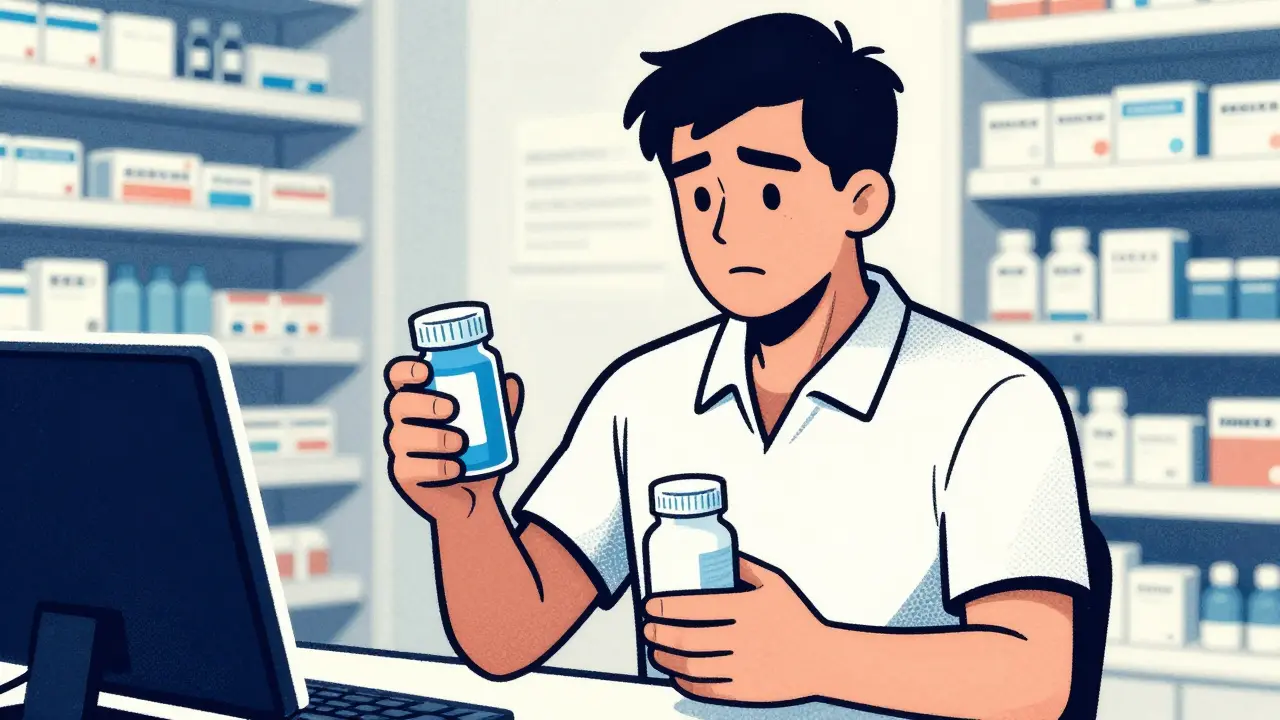
You pick up your prescription at the pharmacy, and instead of the familiar blue bottle you've used for years, the pharmacist hands you a white one with a different logo. The price is lower, but you wonder: is it really the same? This moment of hesitation is common for millions of people. The answer lies in a specific regulatory term that often gets misunderstood. Understanding bioequivalent medications is key to knowing why your doctor might switch your prescription without changing the actual treatment plan.
What Bioequivalence Actually Means
When people hear the word "generic," they often assume it means a cheap copy that might work slightly differently. In reality, bioequivalence is a strict scientific standard. It is not about the pills looking identical or having the exact same chemical structure down to the molecule. Instead, it is about performance. Two products are bioequivalent if they deliver the active ingredient into your bloodstream at the same rate and to the same extent.
Bioequivalence is a precise pharmacokinetic term defined by regulatory agencies to assess the expected in vivo biological equivalence between two drug formulations. According to the U.S. Food and Drug Administration (FDA), this means the absence of a significant difference in how the drug becomes available at the site of action. The World Health Organization (WHO) uses a similar definition, focusing on the rate and extent of absorption. Essentially, if you take the generic version, your body should process it in a way that produces the same clinical effect as the brand-name version.
This concept was formalized in the United States with the passage of the Hatch-Waxman Act is legislation passed in 1984 that created the modern generic drug approval pathway. This law balanced the need for innovation with the need for affordable access. It allowed generic manufacturers to skip the massive clinical trials required for new drugs, provided they could prove bioequivalence to the existing brand-name drug. This pathway is responsible for the fact that approximately 90% of all prescriptions dispensed in the United States are now generic.
How Bioequivalence Testing Works
To claim a drug is bioequivalent, manufacturers cannot just run a computer simulation. They must conduct human studies. These studies are rigorous and follow specific protocols. Typically, a study involves 24 to 36 healthy volunteers. These participants take the brand-name drug (the reference listed drug) and the generic drug (the test product) in separate sessions, usually with a washout period in between to clear the first drug from their system.
Researchers measure specific pharmacokinetic parameters. The most critical metrics are the maximum plasma concentration (Cmax) and the area under the curve (AUC). Cmax tells us the peak level of the drug in the blood, while AUC represents the total exposure over time. The FDA requires that the 90% confidence interval of the relative mean Cmax and AUC of the generic compared to the brand must fall within 80% to 125%. This range is not arbitrary. It is statistically derived from the assumption that a 20% difference in drug exposure is not clinically significant for most medications.
| Parameter | Definition | Significance |
|---|---|---|
| Cmax | Maximum plasma concentration | Indicates the peak drug level in the blood |
| tmax | Time to reach maximum concentration | Shows how quickly the drug is absorbed |
| AUC | Area under the plasma concentration-time curve | Represents total drug exposure over time |
For most drugs, this 80-125% rule ensures safety and efficacy. However, the FDA notes that for narrow therapeutic index drugs, where the difference between an effective dose and a harmful dose is small, the limits are tighter, often requiring a 90-111% range. This distinction is crucial because it highlights that bioequivalence standards are not one-size-fits-all. They adapt based on the risk profile of the medication.

Pharmaceutical vs. Therapeutic Equivalence
It is easy to confuse bioequivalence with other types of equivalence. Pharmaceutical equivalence means two products contain identical amounts of the same active ingredient, same dosage form, and route of administration. They might look different because of inactive ingredients like fillers or dyes, but the active part is the same. Therapeutic equivalence goes a step further. It requires both pharmaceutical and bioequivalence. The FDA assigns therapeutic equivalence codes to approved generic drugs. An 'AB' rating indicates that the generic has demonstrated bioequivalence through pharmacokinetic studies and can be substituted with the expectation of identical clinical effect and safety.
The Orange Book is a publication by the FDA listing approved drug products with therapeutic equivalence evaluations. This resource is vital for pharmacists and doctors. It tells them which generic versions are acceptable substitutes for a specific brand-name drug. As of late 2023, the Orange Book was updated to reflect new approvals and changes in therapeutic equivalence ratings. If a generic does not meet these strict standards, it will not receive an 'AB' rating, and pharmacists generally cannot substitute it automatically.
When Bioequivalence Matters Most
While the 80-125% standard works for the vast majority of medications, there are exceptions where patients and doctors need to pay closer attention. This is particularly true for narrow therapeutic index drugs. Examples include levothyroxine, warfarin, and certain antiepileptic drugs. For these medications, even small variations in absorption can lead to treatment failure or toxicity.
Research supports the need for caution in these specific areas. Dr. Randall Stafford of Stanford University published research showing that a small percentage of patients switched from brand to generic antiepileptic drugs experienced breakthrough seizures. This suggests that while the statistical average holds up, individual variability can sometimes push a patient outside the safe zone. Conversely, a 2022 survey by the National Community Pharmacists Association found that 87% of independent pharmacists reported no clinically significant differences between brand and generic medications for most therapeutic classes. The FDA maintains that bioequivalence standards are sufficient, noting that an analysis of over 2,000 applications found that 98.7% of generic drugs had AUC ratios within 90-110% of the reference product.
Some states have responded to these concerns by requiring pharmacists to use the same generic manufacturer once a patient is initiated on a specific product. This is common with levothyroxine. Patients often report feeling different when switched between generic manufacturers of this thyroid medication. While the active ingredient is the same, the inactive ingredients or the manufacturing process might affect absorption slightly differently for that specific individual. This is why communication between patient and pharmacist is essential.

The Economics and Regulation of Generics
The push for bioequivalence is not just about health; it is about economics. Generic drugs save the U.S. healthcare system an estimated $2.2 trillion over the past decade. Individual patients save approximately $313 per prescription on average when using a generic. This affordability is why bioequivalence testing is so heavily regulated. If the standard were too low, patients might suffer. If it were too high, costs would skyrocket, and access would suffer.
The cost to develop a generic drug, including bioequivalence studies, is approximately $2.2 million. This is a fraction of the billions required to develop a new brand-name drug. The FDA's Office of Generic Drugs reviews approximately 1,200 Abbreviated New Drug Applications (ANDAs) annually. The average review time is about 10.3 months. For complex generics like inhalers or topical products, the process is harder. Bioequivalence demonstration may require additional methods beyond standard blood tests, such as in vitro testing or clinical endpoint studies. The FDA has even launched a Complex Generic Drug Products program to address these challenges.
Regulatory differences exist globally. The European Medicines Agency (EMA) standards differ slightly, accepting wider ranges for highly variable drugs under certain conditions. The global generic pharmaceuticals market was valued at over $400 billion in 2022 and is projected to grow significantly. Bioequivalence standards are critical to this market because they enable generic substitution without requiring new clinical efficacy and safety trials. This framework allows for a balance between protecting intellectual property and ensuring public access to medicine.
FAQs About Bioequivalent Medications
Are generic drugs exactly the same as brand-name drugs?
They are not chemically identical in every way, but they must be bioequivalent. This means they contain the same active ingredient in the same amount and work in the body in the same way. Differences may exist in inactive ingredients like color or shape, but these do not affect the therapeutic outcome for most people.
Why do generic drugs cost less than brand-name drugs?
Generic manufacturers do not have to repeat the expensive clinical trials that brand-name companies perform to prove safety and efficacy. They only need to prove bioequivalence, which significantly reduces development costs. These savings are passed on to consumers and insurance companies.
Can I switch between different generic brands of the same drug?
For most medications, yes. However, for narrow therapeutic index drugs like levothyroxine or certain seizure medications, it is often recommended to stick with one manufacturer to avoid potential variations in absorption. Consult your pharmacist or doctor if you are unsure.
What does the 80-125% rule mean in bioequivalence?
This statistical range ensures that the generic drug's performance falls within an acceptable margin of the brand-name drug. It means the generic is not significantly less effective or more potent than the original, accounting for normal biological variability between people.
How does the FDA ensure generic drug quality?
The FDA inspects manufacturing facilities and reviews bioequivalence study data before approval. They also conduct post-market surveillance to monitor safety reports. The Orange Book lists all approved products and their therapeutic equivalence ratings for transparency.
Understanding the science behind your medication empowers you to make better health decisions. While the term bioequivalence might sound technical, its purpose is straightforward: to ensure you get the same benefit from a lower-cost option. Whether you are managing a chronic condition or treating a short-term illness, knowing how these standards work can help you feel more confident in the treatment plan you receive.
14 Comments
Jefferson MoratinMarch 26, 2026 AT 21:26
The distinction between pharmaceutical equivalence and therapeutic equivalence is often overlooked in public discourse. One must consider the implications of the Orange Book ratings when evaluating medication options. It is not merely a matter of cost but of clinical assurance for the patient. The regulatory framework ensures that the active ingredient remains consistent across formulations. This consistency is paramount for maintaining health stability over long periods.
Blessing OgbosoMarch 27, 2026 AT 17:06
It is fascinating how the pharmaceutical industry operates behind the scenes. Many people do not realize the rigorous testing that goes into these medications. We often worry about the cost of healthcare without understanding the safety measures. The Hatch-Waxman Act really changed the landscape for everyone involved. Patients deserve to know that their generic options are safe and effective. It is important to trust the regulatory bodies that oversee these processes. However, individual experiences can vary significantly from person to person. Some of us might feel different side effects depending on the fillers used. Communication with your pharmacist is absolutely vital in these situations. We should never hesitate to ask about the specific manufacturer of our pills. The science behind bioequivalence is sound but not perfect for every single case. Narrow therapeutic index drugs require extra attention and care from doctors. We must advocate for ourselves when it comes to our own health outcomes. Understanding the difference between brand and generic saves money and stress. Ultimately, the goal is to ensure everyone has access to life-saving treatments.
Kenneth JonesMarch 29, 2026 AT 07:25
stop trusting the orange book blindly. some of these generics are garbage and people die from switching. you need to stick to the brand name if you want to live. why are we saving money on pills that kill us. the system is broken and nobody cares about safety anymore. just pay extra and get the real thing.
Mihir PatelMarch 30, 2026 AT 20:43
omg this is so scary i was taking the white bottle and i felt weird like my head was spinning. i think the fillers are poison or something. why do they let this happen in america its so crazy. i had a seizure once after switching and the doctor said it was nothing but i know it wasnt. i feel like the pharma companies are hiding something big from us all. its a conspiracy for sure and we need to wake up.
Marissa StaplesApril 1, 2026 AT 01:48
i get where you are coming from but maybe it was just your body adjusting to the change. sometimes stress can make you feel like things are worse than they actually are. i dont think its a conspiracy but its good to talk to your doctor about it. they can help you figure out if its the meds or something else going on. hope you feel better soon.
Korn DenoApril 2, 2026 AT 07:57
the 80-125 range is interesting but does it account for individual metabolism differences. some people absorb drugs faster than others and that could change the outcome completely. we need more data on long term effects of switching between generics. the current system works for most but not everyone. its a statistical game not a guarantee for you personally.
Anil ArekarApril 3, 2026 AT 02:26
It is imperative to acknowledge the rigorous standards set by the FDA for generic approvals. The therapeutic equivalence codes serve as a critical guide for healthcare professionals. Patients should consult the Orange Book to verify the status of their prescribed medications. This ensures that the substitution process is conducted with the highest level of safety. Adherence to these protocols maintains the integrity of the healthcare system.
Elaine ParraApril 3, 2026 AT 21:48
you sound like a robot who works for the fda. nobody reads the orange book it is useless for regular people. the system is rigged to save money not lives. stop pretending everything is fine when people are getting hurt. you are part of the problem if you think this is safe.
Linda FosterApril 4, 2026 AT 00:29
The regulatory oversight provided by the Office of Generic Drugs is comprehensive and thorough. Manufacturers must submit extensive data to support their bioequivalence claims. This process ensures that only products meeting strict criteria are approved for market distribution. Public confidence in these medications is well-founded based on the evidence provided.
Rama RishApril 4, 2026 AT 01:35
i used to worry bout this but now i dont really care much anymore.
Kevin SieweApril 5, 2026 AT 10:46
It is understandable to have concerns but the data supports the safety of generics. Many patients switch without any issues at all. If you have specific health needs your doctor can guide you. It is always best to discuss any worries with a medical professional.
Darlene GomezApril 6, 2026 AT 19:38
I think it is really important that we all feel confident in our meds. Knowing how they are tested helps us trust the process more. We should all talk to our pharmacists if we see a change in the bottle. It makes a huge difference in how we feel about our health care.
Jacob HesslerApril 8, 2026 AT 11:21
yeah but the big pharma wants us to buy the expensive stuff. they dont care about us poor people. the generic is just a cheap trick to make us think we are safe. i bet the brand name works better for real. dont trust the cheap pills they are trash.
Amber GrayApril 10, 2026 AT 01:05
lol the 80-125 rule is kinda wild but i guess it works for most 🤷♀️. i just want my pills to work and not cost a fortune 💸. generics save me so much money every month. why would i pay more for the same thing 🤔. just hope the white bottle works same as blue one.