Pregnancy Medication Risk Estimator
Disclaimer: This tool is for educational purposes only and does not constitute medical advice. Always consult your healthcare provider regarding medications during pregnancy.
Assessment Result
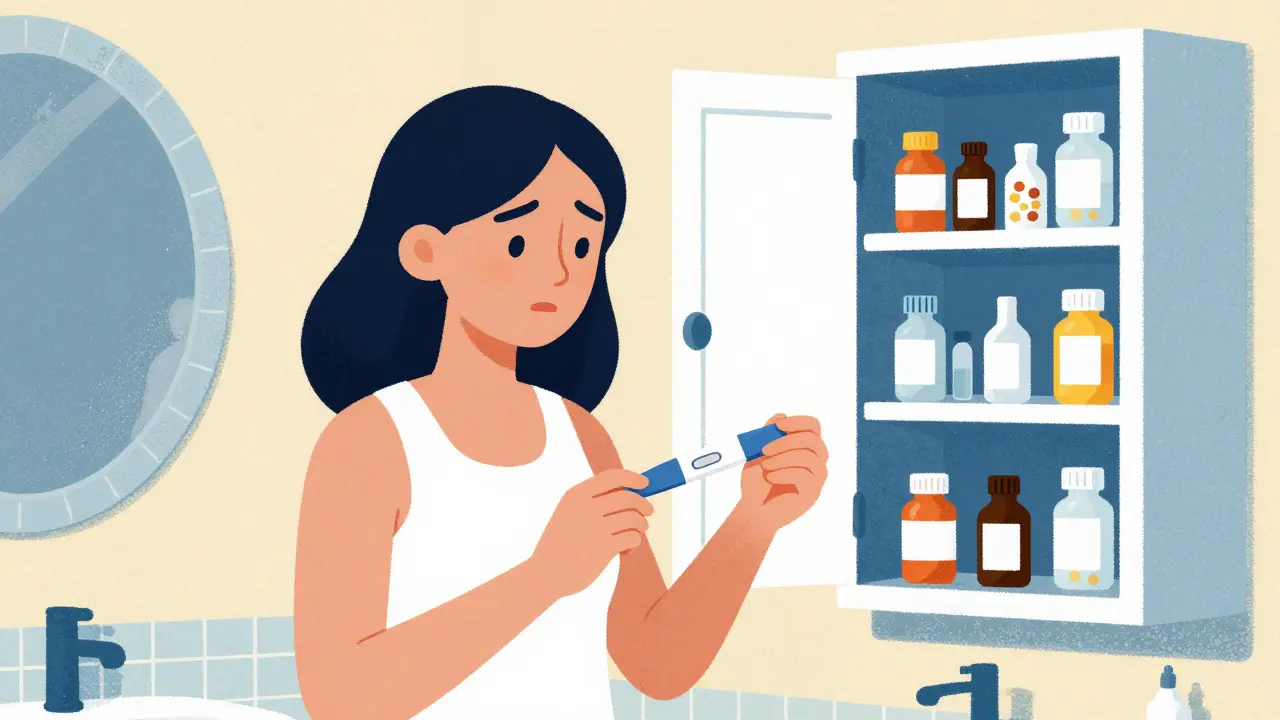
Imagine finding out you are pregnant. The excitement is immediate, but so is the anxiety if you have been taking prescription drugs for years. Did that daily pill harm your baby? This fear is not just in your head; it is a shared reality for millions of women. About 90% of pregnant women take at least one medication during their pregnancy. Yet, only about 2-3% of all birth defects are actually caused by medication exposure. That statistic sounds reassuring, but when you are holding a positive test result and looking at your medicine cabinet, percentages can feel cold. Understanding which drugs pose real threats-known as teratogenic effects-and which are safe is crucial for protecting both maternal health and fetal development.
Understanding Teratogens and Fetal Vulnerability
To navigate this landscape, we first need to define what a teratogen is. A teratogen is any agent that disrupts normal fetal development, leading to structural abnormalities or functional issues. While alcohol, radiation, and infections are well-known teratogens, pharmaceutical drugs are a major concern because they are often prescribed with good intentions. The study of these agents became a critical medical discipline after the thalidomide tragedy in the early 1960s. Thalidomide, marketed as a sedative, caused severe limb deformities in approximately 10,000 infants worldwide before being withdrawn. That disaster changed how we regulate and test drugs forever.
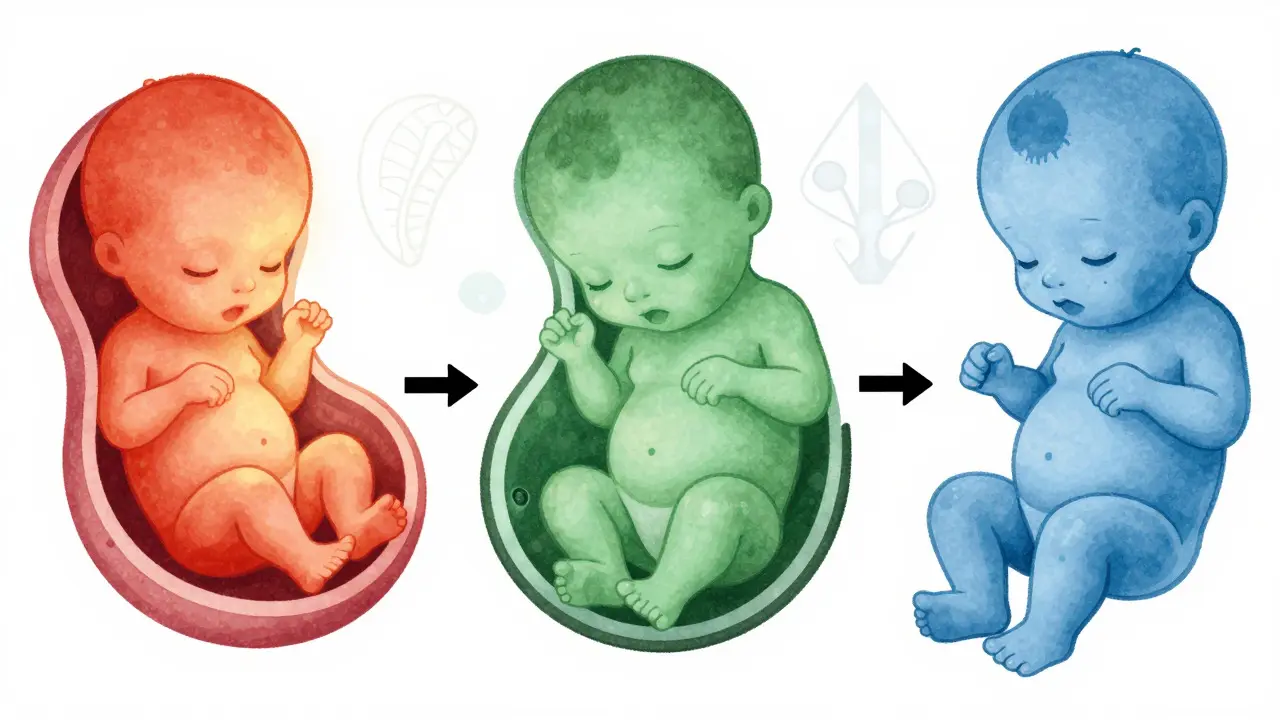
The impact of a medication depends heavily on timing. During the first trimester (weeks 1-12), the embryo is forming its major organ systems. This period, particularly days 15-60 post-conception, is when the fetus is most vulnerable to structural birth defects. If a drug interferes here, it can cause malformations like heart defects or neural tube issues. In the second trimester (weeks 13-26), the risk shifts toward functional defects or minor structural abnormalities. By the third trimester (weeks 27-birth), medications are less likely to cause physical deformities but can affect organ function, neurological development, or cause withdrawal symptoms after birth. Knowing where you are in the pregnancy timeline helps doctors assess the specific type of risk involved.
What is the most dangerous time for medication exposure?
The first trimester, specifically weeks 1-12, is the most critical period. This is when organogenesis occurs, meaning the baby's organs are forming. Exposure to teratogens during days 15-60 post-conception carries the highest risk for major structural birth defects.
High-Risk Medications: What to Avoid
Not all medications are created equal when it comes to pregnancy. Some have documented, severe teratogenic effects that make them clear candidates for avoidance. One of the most well-documented examples is warfarin, a blood thinner. When taken during the first trimester, warfarin can cause "fetal warfarin syndrome." This condition includes nasal hypoplasia (underdeveloped nose), bone stippling, bilateral optic atrophy, and varying degrees of intellectual disability. The risk affects approximately 5-30% of exposed pregnancies. Even in later trimesters, it can lead to cataracts, microcephaly, and hemorrhage. Because of this, doctors usually switch patients to heparin-based alternatives, which do not cross the placenta as easily.
Another category of concern involves certain antidepressants and anticonvulsants. Methotrexate, often used for autoimmune diseases or cancer, is a folate antagonist. It increases the risk of neural tube defects by 10-20% if used in the first trimester. Similarly, carbamazepine, an anti-seizure medication, carries a 1% risk of neural tube defects and can cause vitamin K deficiency in the newborn, leading to bleeding issues. For these reasons, women planning pregnancy are often advised to adjust their doses or switch medications months in advance, under strict supervision.
Newer blood thinners known as Factor Xa inhibitors, such as rivaroxaban and apixaban, present a different kind of problem. There is simply inadequate human data on their safety. We know they cross the placenta, but we don't fully understand the long-term outcomes, and there is no antidote to reverse their effects if bleeding occurs. Consequently, guidelines generally recommend avoiding them during pregnancy. Then there is cannabis. Products containing THC are linked to a 15-20% increased risk of low birth weight and a 10-15% increased risk of preterm birth. THC can even remain detectable in breastmilk for up to six days, potentially affecting infant cognitive function.
| Medication Class | Specific Drug Examples | Primary Risk / Effect |
|---|---|---|
| Anticoagulants | Warfarin | Fetal warfarin syndrome, bone/nasal defects |
| Factor Xa Inhibitors | Rivaroxaban, Apixaban | Inadequate data, crosses placenta, no antidote |
| Antimetabolites | Methotrexate | Neural tube defects (10-20% increase) |
| Anticonvulsants | Carbamazepine | Neural tube defects, Vitamin K deficiency |
| Cannabinoids | THC products | Low birth weight, preterm birth, stillbirth |
The Acetaminophen Controversy: Conflicting Signals
If you thought medication advice was straightforward, consider acetaminophen (Tylenol). For decades, it has been the go-to pain reliever for pregnant women. However, recent years have brought confusion. Some studies suggested a link between chronic acetaminophen use and neurological conditions like autism and ADHD. This sparked widespread panic among expectant parents. The Centers for Disease Control and Prevention (CDC) noted these associations, causing many to avoid the drug entirely.
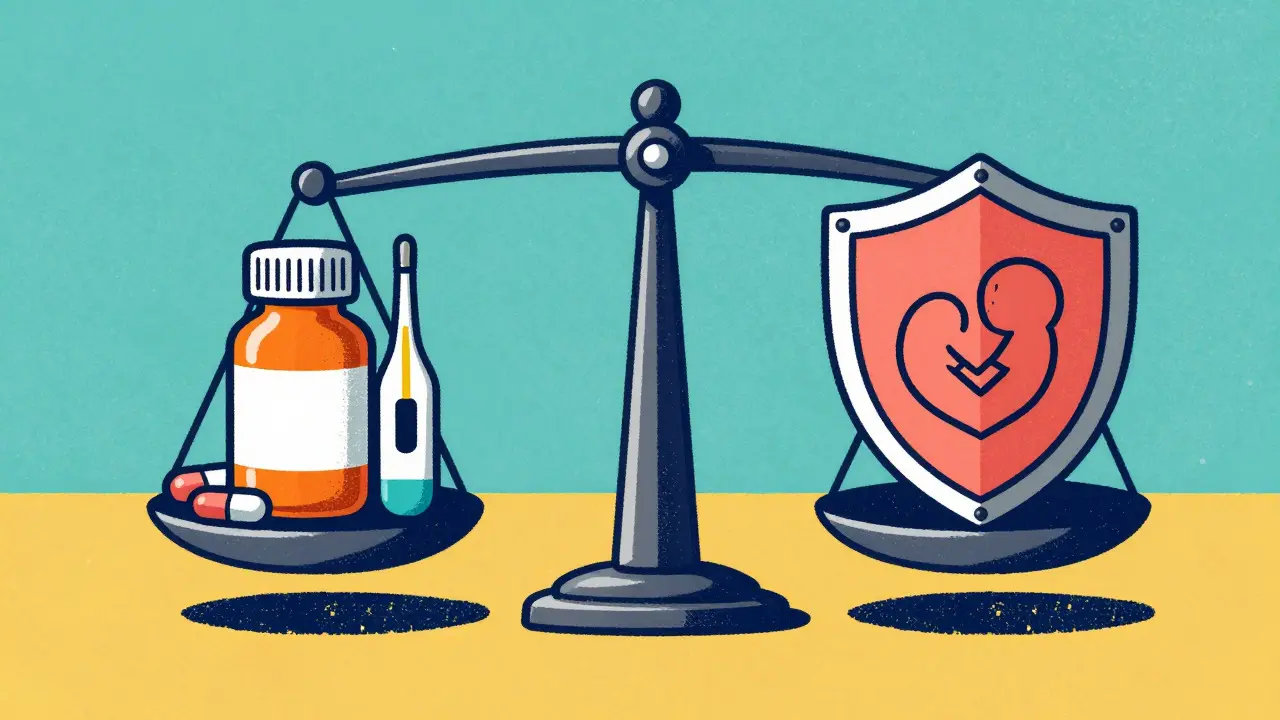
But here is the catch: untreated fever and pain are also dangerous. Maternal fever alone can increase the risk of neural tube defects by 20-30%. In September 2025, the American College of Obstetricians and Gynecologists (ACOG) issued a strong statement affirming that acetaminophen remains safe and essential. They argued that the conditions requiring treatment-like high fever-are far more harmful than any theoretical risk from the drug. This divergence between CDC caution and ACOG’s reassurance highlights a common theme in prenatal care: balancing proven harms against potential, unproven risks. For now, most experts agree that using acetaminophen occasionally for genuine need is safer than suffering through debilitating pain or fever.
Navigating the Labeling Maze: From A-X to PLLR
You might remember seeing letters like A, B, C, D, or X on old prescription labels. Those were the FDA’s pregnancy risk categories. They were simple but misleading. A "Category C" label didn’t mean "safe," nor did "Category D" always mean "dangerous." It often just meant data was missing. In 2015, the FDA replaced this system with the Pregnancy and Lactation Labeling Rule (PLLR). Now, labels provide detailed narrative summaries of risks, clinical considerations, and data sources. This is better for informed decision-making, but it requires more effort to read and understand.
Despite this change, a huge gap remains. Approximately 70-80% of medications lack sufficient pregnancy safety data. Why? Because ethical barriers prevent randomized controlled trials (RCTs) in pregnant women. You can’t randomly assign half of pregnant women to a potentially harmful drug just to see what happens. As a result, about 95% of current pregnancy medication safety data comes from observational studies, case reports, or animal research. This means much of what we know is based on correlation, not causation, which fuels the uncertainty patients feel.
Practical Steps for Safe Medication Management
So, how do you handle this complexity in real life? First, never stop a chronic medication without talking to your doctor. Stopping epilepsy meds, for instance, can lead to seizures that deprive the baby of oxygen, which is far worse than the drug’s side effects. ACOG emphasizes that in many cases, stopping medicine is more harmful than taking it. The goal is an individualized risk-benefit analysis.
Here is a practical checklist for managing medications during pregnancy:
- Plan Ahead: If you are trying to conceive, review all your meds with your provider. Adjustments should happen before conception, especially for drugs like methotrexate or isotretinoin.
- Use Trusted Resources: Don’t rely on random internet forums. Use MotherToBaby (operated by the Organization of Teratology Information Specialists) or LactMed. These services handle thousands of consultations annually and provide evidence-based answers.
- Consult a Pharmacist: Pharmacists are medication experts. Ask them specifically about pregnancy interactions. They can check databases that doctors might not have immediate access to.
- Track Exposures: If you took a med before knowing you were pregnant, write down the name, dose, and dates. This information is vital for your obstetrician to assess risk accurately.
- Consider Registries: If you must take a high-risk drug, ask if you can join a pregnancy registry. These registries track outcomes for women taking specific medications, helping to build the data we currently lack.
Remember, about 40-50% of pregnancies are unplanned. If you discover you are pregnant while already on medication, don’t panic. Most medications have little to no impact on the fetus (about 60-70%). The key is to inform your healthcare team immediately so they can monitor your pregnancy appropriately. Anxiety itself adds stress, which isn’t helpful for anyone. Focus on actionable steps: get professional advice, stick to the lowest effective dose, and avoid non-essential supplements or recreational substances.
Is it safe to take over-the-counter cold medicines?
Many OTC cold medicines contain multiple ingredients. While acetaminophen is generally considered safe, decongestants like pseudoephedrine should be used with caution, especially in the first trimester. Always check the label and consult your pharmacist or doctor before taking combination products.
What should I do if I took a teratogenic drug before knowing I was pregnant?
Contact your healthcare provider immediately. Provide details on the drug, dosage, and duration. Most single exposures do not cause harm. Your doctor may recommend additional monitoring, such as detailed ultrasounds, to ensure fetal development is proceeding normally.
Are herbal supplements safe during pregnancy?
Not necessarily. Herbal supplements are not regulated as strictly as pharmaceuticals. Some herbs can stimulate uterine contractions or interfere with hormone levels. Always discuss any supplement use with your obstetrician before continuing them during pregnancy.
How does the FDA PLLR help patients?
The Pregnancy and Lactation Labeling Rule replaces vague letter categories with detailed narratives. It provides specific data on risks, clinical considerations, and available evidence, allowing patients and providers to make more informed, nuanced decisions rather than relying on oversimplified labels.
Can untreated depression harm the baby?
Yes. Untreated maternal mental health conditions can lead to poor prenatal care, substance use, and stress hormones that affect fetal development. Often, the risk of untreated illness outweighs the potential risks of medication, making treatment essential under medical supervision.
11 Comments
Kieran HealyJuly 27, 2026 AT 08:06
It is honestly terrifying to think about how much we rely on meds without knowing the full story. The bit about thalidomide really puts things into perspective for me. We just assume everything is safe because it is prescribed by a doctor. It makes you wonder what else we are missing out on. :/
Sinead DoyleJuly 28, 2026 AT 14:16
The FDA PLLR is nothing more than a bureaucratic smokescreen designed to hide the fact that Big Pharma has poisoned our water supply and our wombs for decades. They replaced the letter categories because they knew people were starting to connect the dots between Category C drugs and the rise in autism rates. It is not just about "data gaps"; it is about liability. The observational studies are all funded by the very companies selling these teratogens. Trust no one. The real truth is buried under layers of peer-reviewed lies.
Samuel FridayJuly 30, 2026 AT 13:49
You really need to read the section on Factor Xa inhibitors again. It is quite clear that rivaroxaban crosses the placenta. The lack of data is precisely why guidelines recommend avoidance. It is not a conspiracy; it is basic pharmacokinetics. If you cannot grasp the concept of risk-benefit analysis, perhaps you should stick to reading fiction rather than medical literature. It is embarrassing to see such ignorance displayed so publicly.
Sinead DoyleAugust 1, 2026 AT 09:37
Oh please. Pharmacokinetics? That is just jargon to make you feel stupid so you obey. The fact that there is NO antidote is the smoking gun. Why would a drug be allowed if it has no reversal agent? It is control. They want you dependent on their system. And don't get me started on the "guidelines." Who writes them? The same suits who profit from your fear. Typical.
neal vinceAugust 1, 2026 AT 12:31
Let us be precise here. The article states that approximately 70-80% of medications lack sufficient pregnancy safety data due to ethical barriers preventing RCTs. This is a factual constraint, not a conspiracy. Methotrexate increases neural tube defect risk by 10-20%. Warfarin causes fetal warfarin syndrome in 5-30% of cases. These are established clinical facts derived from decades of observation. To dismiss this as "correlation not causation" ignores the weight of epidemiological evidence. One must distinguish between theoretical risk and documented pathology.
Emily SchorAugust 3, 2026 AT 06:02
I found the checklist at the end very helpful. Specifically the part about tracking exposures before knowing you are pregnant. It is easy to panic but having a record helps the doctor assess the actual risk. I will definitely look up MotherToBaby next time I have questions instead of just googling random forums.
Bobby ChristiansenAugust 4, 2026 AT 16:02
Everyone is so worried about pills but nobody talks about the stress! Stress is toxic too! But sure, let us blame Tylenol while ignoring the emotional toll of modern life. It is selfish to focus only on chemicals when the environment itself is hostile. People need to calm down and stop being so paranoid about every little thing. Just breathe! :)
Arun KrishnanAugust 6, 2026 AT 09:38
Great points here. Planning ahead is key. If you are trying to conceive, talk to your provider early. Do not wait until you see two lines. Adjusting meds like methotrexate or isotretinoin should happen before conception. Small steps lead to big results. Stay proactive and informed. You got this!
anna arifianaAugust 8, 2026 AT 03:06
While the author attempts to provide a balanced view, one might argue that the reliance on ACOG statements is somewhat circular, given that ACOG is composed of individuals who benefit from the current medical paradigm. Furthermore, the assertion that acetaminophen is "safe" is a simplification that ignores the nuanced biological mechanisms by which oxidative stress might influence neurodevelopment, particularly in vulnerable populations with pre-existing genetic predispositions. It is a complex web of variables that cannot be neatly summarized in a blog post.
Marie-Gladys DarcelinAugust 8, 2026 AT 08:50
One must consider the moral imperative of untreated maternal depression. The article correctly notes that untreated mental health conditions can lead to poor prenatal care. However, society often stigmatizes the use of antidepressants, forcing women into a false dichotomy between chemical intervention and suffering in silence. The judgment placed upon mothers who require medication is profound and unjust. We must dismantle this stigma with rigorous intellectual honesty and compassion.
Prashant ShishodiaAugust 10, 2026 AT 08:06
Good info. Stick to the plan. Talk to your doc. Do not guess.