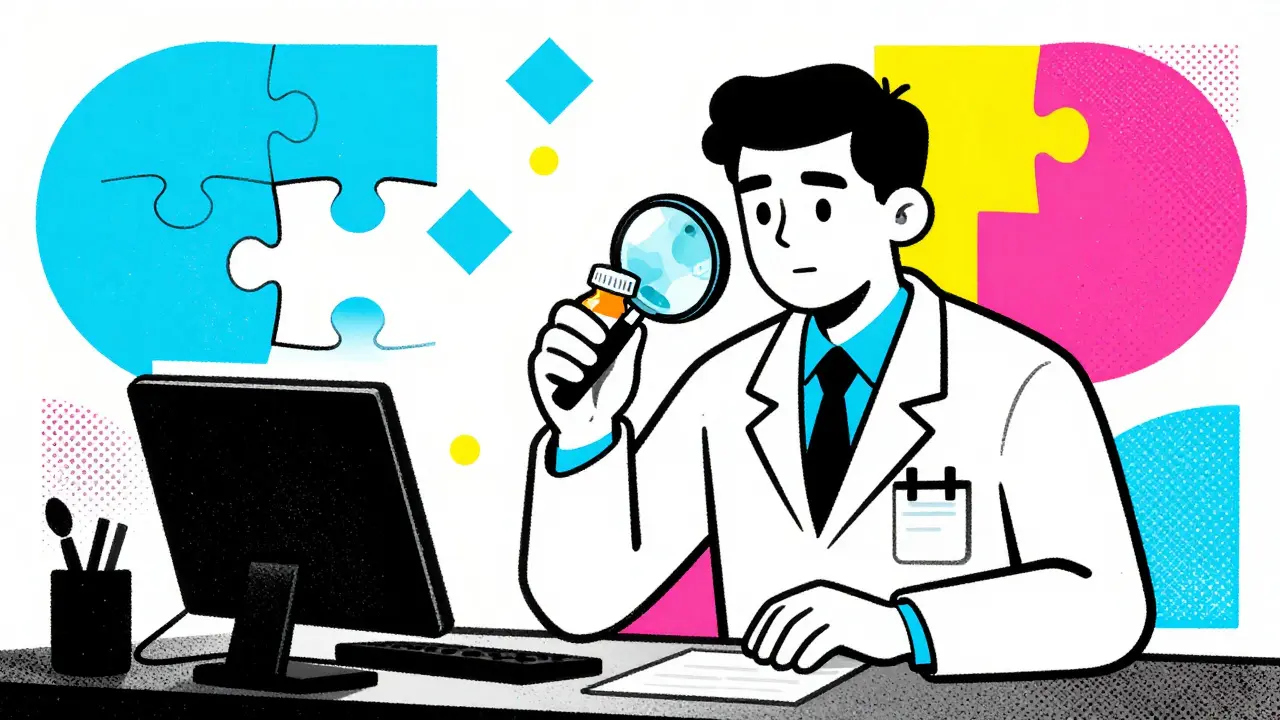
Generic drugs are the backbone of modern healthcare. They save billions of dollars and keep millions of patients on life-saving treatments without breaking the bank. But here is the uncomfortable truth: while most generics work perfectly, a small percentage cause real problems. For pharmacists, the job isn't just about counting pills; it’s about being the final safety net before a potentially problematic medication reaches a patient’s hands.
You might wonder why this matters if regulators approve these drugs. The answer lies in the gap between regulatory standards and individual patient physiology. A generic that is "bioequivalent" on paper can still fail a specific patient due to formulation differences, inactive ingredients, or manufacturing variances. Knowing when to flag an issue-and how to handle it-is what separates a good pharmacist from a great one.
The Bioequivalence Gap: Why "Good Enough" Isn’t Always Safe
To understand when to intervene, you first need to understand the rules of the game. The Food and Drug Administration (FDA) requires generic drugs to demonstrate bioequivalence within an 80-125% confidence interval compared to their brand-name counterparts. In simple terms, the generic must deliver the same amount of active ingredient into the bloodstream at roughly the same rate as the original drug.
This standard works for 90% of medications. If you take a generic statin like atorvastatin, the clinical difference is negligible. A 2022 meta-analysis in JAMA Internal Medicine found only a 0.3% difference in LDL reduction between brand and generic versions. However, this 20% window of variation is where the danger hides. For certain critical medications, a 20% swing in drug exposure isn't a margin of error; it’s a medical emergency.
Dr. Philip Alcabes, a public health professor, has argued that this standard allows for clinically significant variations. While the FDA maintains that quality and purity are identical, the reality is that different manufacturers use different inactive ingredients-fillers, binders, and coatings. These excipients can alter how quickly a drug dissolves or how well a patient tolerates it. As a pharmacist, you aren't judging the science of the approval process; you are judging the outcome for the human sitting in front of you.
Narrow Therapeutic Index Drugs: The High-Stakes Category
If there is one area where you must be hyper-vigilant, it is with Narrow Therapeutic Index (NTI) drugs. These are medications where a tiny change in blood concentration can lead to treatment failure or severe toxicity. The FDA has designated 18 such drugs, including levothyroxine, warfarin, phenytoin, and digoxin.
Research published in the Journal of the American Pharmacists Association shows that NTI drugs have 2.3 times higher rates of therapeutic failure when patients switch between multiple generic manufacturers. Consider levothyroxine, used to treat hypothyroidism. A case documented by pharmacy professionals showed a patient’s TSH levels skyrocketing from 2.1 to 8.7 within six weeks after switching generic manufacturers. The dose wasn't wrong; the formulation was inconsistent for that specific patient.
| Drug Name | Therapeutic Class | Risk Factor | Action Required |
|---|---|---|---|
| Levothyroxine | Thyroid Hormone | Sensitive to filler changes | Monitor TSH closely after switches |
| Warfarin | Anticoagulant | Bleeding/Clotting risk | Verify INR stability post-substitution |
| Phenytoin | Anticonvulsant | Non-linear kinetics | Avoid manufacturer switches if stable |
| Digoxin | Cardiac Glycoside | High adverse event rate | Counsel on symptom monitoring |
When dispensing these drugs, your goal is consistency. If a patient is stable on a specific generic manufacturer, do not let them switch unless necessary. Document the manufacturer name in your system. This data becomes crucial if therapeutic failure occurs later.
Complex Formulations: Where Dissolution Fails
Not all pills are created equal. Immediate-release tablets are relatively straightforward. The real trouble starts with complex formulations like extended-release (ER), sustained-release (SR), or delayed-release products. These rely on precise engineering to release the drug slowly over time.
FDA testing in 2020 revealed that 7.2% of generic extended-release opioids failed dissolution testing, compared to just 1.1% of immediate-release products. Dissolution is how fast the pill breaks down in the stomach. If a generic ER capsule dissolves too quickly, it can cause an overdose spike. If it dissolves too slowly, the patient gets no effect. The FDA issued a Drug Safety Communication in 2023 warning about inconsistent dissolution profiles in certain generic versions of diltiazem CD, leading to dozens of reported therapeutic failures.
As a pharmacist, pay attention to patient complaints about "different effects" or "side effects returning." With complex generics, the problem often isn't the active ingredient-it's the delivery mechanism. If a patient reports feeling jittery shortly after taking an ER medication, suspect a dissolution issue rather than anxiety.
Look-Alike/Sound-Alike Confusion: The Human Error Factor
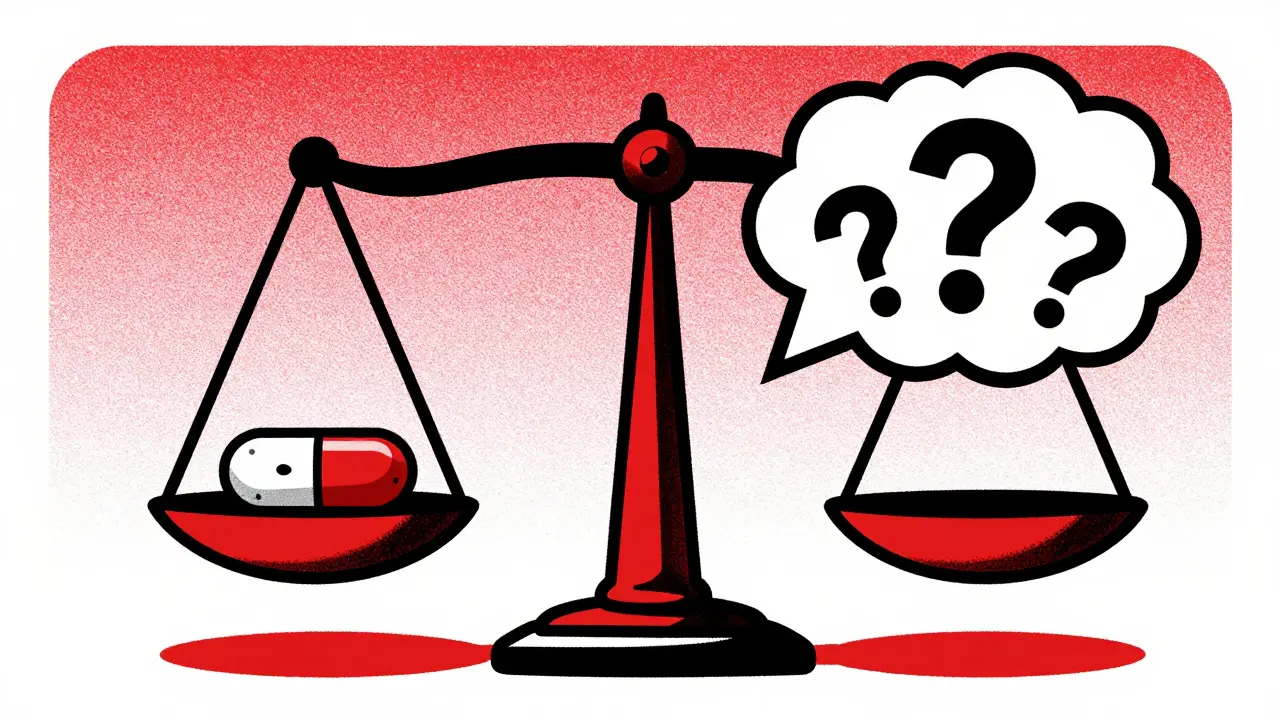
Sometimes the drug itself is fine, but the packaging or name causes chaos. Look-alike/sound-alike (LASA) names are a major source of dispensing errors. The Institute for Safe Medication Practices (ISMP) reports that LASA confusion accounts for 14.3% of all reported generic medication errors.
Common culprits include oxycodone/acetaminophen and hydrocodone/acetaminophen combinations. They sound similar, look similar, and treat similar pain, but they are distinct drugs with different risks. Another frequent mix-up involves generic names that resemble each other phonetically, such as lamictal and lamisil.
Your defense against this is twofold. First, use tall-man lettering in your dispensing software (e.g., PREVACid vs. PREVAlert). Second, always verify the NDC (National Drug Code) number, not just the name. The NDC identifies the specific manufacturer and product strength. If the NDC doesn't match the reference listed drug (RLD) profile you expect, stop and investigate.
When to Flag: Practical Protocols for Pharmacists
So, when exactly should you pull the trigger and flag a generic issue? Here is a practical checklist based on ASHP guidelines and real-world experience:
- Unexplained Therapeutic Failure: If a patient reports that their condition is worsening within 2-4 weeks of a generic switch, especially with NTI drugs, flag it immediately. Check if the manufacturer changed.
- New Side Effects: If a patient develops gastrointestinal distress or allergic reactions after switching generics, suspect inactive ingredients. Ask about the previous brand or manufacturer.
- Orange Book Ratings: Consult the FDA’s Orange Book. Look for therapeutic equivalence codes. An "AB" rating means therapeutically equivalent. A "BX" rating means not therapeutically equivalent due to unresolved bioequivalence concerns. Never dispense a BX-rated product without physician consultation.
- Patient History: If a patient has a history of sensitivity to dyes or fillers, review the inactive ingredient list of the new generic. Many patients react to lactose, gluten, or specific dyes like tartrazine.
Documentation is key. The University of Florida College of Pharmacy recommends documenting the manufacturer information for all dispensed medications. In 68.4% of therapeutic failure investigations, manufacturer-specific data was required to solve the case. Without it, you’re guessing.
Regulatory Landscape and Future Trends
The regulatory environment is evolving. The FDA implemented GDUFA III in 2023, allocating $1.14 billion to enhance generic drug reviews and post-market surveillance. The agency is also using artificial intelligence to analyze adverse event reports, aiming to detect problematic generics earlier. By Q2 2024, pilot programs will target early detection of issues that previously took months to surface.
However, challenges remain. Foreign inspections in 2022 identified quality-related issues in facilities primarily in India and China. While most imported generics meet standards, the supply chain complexity means vigilance cannot lapse. As a pharmacist, you are part of this surveillance network. Your reports via the FDA’s MedWatch program contribute directly to identifying trends. In 2022, pharmacist-reported incidents increased by 18.3% in states with mandatory reporting requirements, showing that active participation saves lives.
Conclusion: Trust, But Verify
Generic drugs are essential, cost-effective, and generally safe. But "generally" isn't good enough when dealing with human health. Your role as a pharmacist is to bridge the gap between population-level statistics and individual patient needs. By understanding bioequivalence limits, recognizing high-risk NTI drugs, watching for complex formulation failures, and staying alert to LASA errors, you protect your patients from the rare but serious flaws in the system. Don't wait for a disaster to happen. Flag the issue, document the details, and advocate for the safest option for your patient.
What is the bioequivalence standard for generic drugs?
The FDA requires generic drugs to demonstrate bioequivalence within an 80-125% confidence interval compared to the brand-name drug. This means the generic must deliver the same active ingredient into the bloodstream at a similar rate, allowing for up to a 20% variation in exposure.
Which drugs are considered Narrow Therapeutic Index (NTI)?
NTI drugs include levothyroxine, warfarin, phenytoin, digoxin, carbamazepine, and lithium. These medications have a small margin between effective and toxic doses, making them sensitive to minor changes in bioavailability caused by switching generic manufacturers.
How can I check if a generic is therapeutically equivalent?
You can use the FDA’s Orange Book. Look for the therapeutic equivalence code. An "AB" rating indicates the drug is therapeutically equivalent to the brand name. A "BX" rating indicates it is not therapeutically equivalent due to unresolved bioequivalence concerns and should be avoided without physician approval.
Why do some patients experience side effects with generics?
While active ingredients are identical, inactive ingredients (excipients) like fillers, binders, and dyes can differ between manufacturers. Some patients may be sensitive or allergic to specific excipients, leading to gastrointestinal issues or allergic reactions despite the drug being chemically correct.
What should I do if a patient fails therapy after a generic switch?
Document the manufacturer of the failed generic and the previous successful product. Contact the prescriber to discuss switching back to the original manufacturer or brand if necessary. For NTI drugs, consider therapeutic drug monitoring to adjust dosages accurately. Report the incident via FDA MedWatch if appropriate.