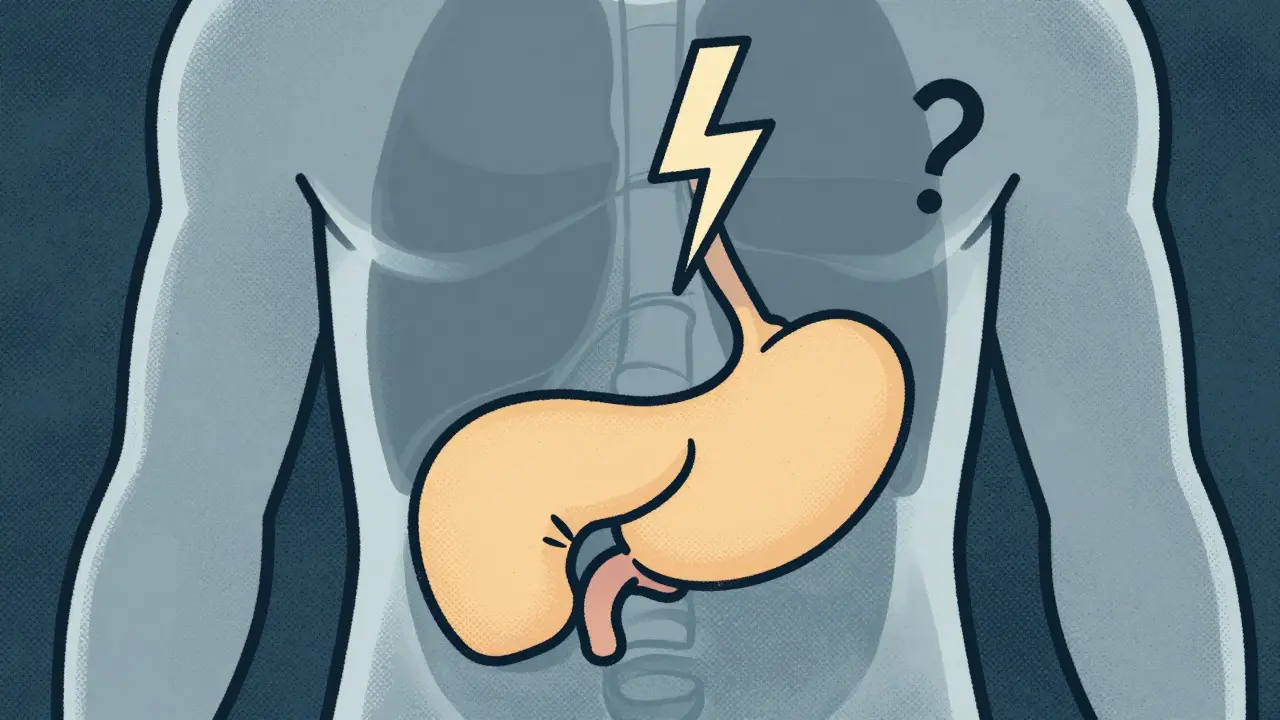
Pancreatic cancer is often called a "silent killer" because it rarely shows obvious signs until it has spread. For decades, the outlook was grim, with survival rates hovering around single digits. But that narrative is shifting. While pancreatic cancer remains a serious health challenge, recent years have brought significant breakthroughs in both detection and therapy. If you or a loved one is navigating this diagnosis, understanding the subtle early warning signs and the latest medical options can empower you to make informed decisions.
Recognizing the Subtle Early Warning Signs
The pancreas sits deep behind your stomach, which means tumors can grow for months without pressing on nerves or organs enough to cause pain. This anatomical position makes early detection difficult. However, the body does send signals. The key is recognizing that these symptoms are vague and often mimic common digestive issues like indigestion or gallstones.
One of the most critical, yet overlooked, indicators is new-onset diabetes. Research from Columbia University Medical Center published in Nature Genetics (2022) highlights that 80% of pancreatic cancer patients develop diabetes within 18 months of their diagnosis. If you are over 50, have no family history of diabetes, and suddenly develop high blood sugar levels along with unexplained weight loss, this warrants immediate medical attention. Your fasting blood glucose might jump from a normal range (70-99 mg/dL) to diabetic levels (>126 mg/dL) rapidly.
Beyond metabolic changes, pay attention to how your body processes food. Jaundice occurs when a tumor blocks the bile duct. This isn't just about yellowing skin; look for dark urine, pale stools, and intense itching (pruritus). According to NHS England guidelines, jaundice affects 70% of patients with tumors in the head of the pancreas. Additionally, changes in stool consistency-specifically pale, greasy, floating stools-can indicate that your pancreas isn't producing enough digestive enzymes. This happens in about 30% of cases.
- Abdominal or back pain: A dull ache that worsens after eating or when lying down.
- Unexplained weight loss: Losing more than 10 pounds without trying.
- Loss of appetite: Feeling full quickly or having no desire to eat fatty foods.
- Psychiatric symptoms: New onset of depression or anxiety, which studies show can precede physical symptoms by six months.
The Diagnostic Challenge and Current Tests
Because there is no standard screening test for the general population, diagnosis often relies on investigating persistent symptoms. The National Comprehensive Cancer Network (NCCN) notes that while average-risk individuals aren't screened, those with genetic risks (like BRCA2 mutations) should undergo annual MRI/MRCP and endoscopic ultrasound starting at age 50.
When doctors suspect pancreatic cancer, they use a combination of tools:
- Imaging: CT scans are the primary tool, offering 90% sensitivity for tumors larger than 3cm but dropping to 60% for smaller ones. MRI and Endoscopic Ultrasound (EUS) provide higher resolution images of the pancreas and surrounding vessels.
- Blood Biomarkers: The CA 19-9 test measures a protein found in the blood. Levels above 37 U/mL are considered elevated. However, this marker is imperfect; it can be raised by benign conditions like pancreatitis and is only 30-50% sensitive for early-stage cancer.
- Tissue Biopsy: A definitive diagnosis requires tissue analysis. EUS-guided fine needle aspiration offers 95% accuracy in confirming the presence of cancer cells.

Surgical Options: The Path to Cure
Surgery remains the only potential cure for pancreatic cancer, but it is only an option if the tumor hasn't spread to major blood vessels or distant organs. The most common procedure is the Whipple procedure (pancreaticoduodenectomy), which involves removing the head of the pancreas, part of the small intestine, the gallbladder, and sometimes part of the stomach.
This is a complex surgery with significant recovery time. Data from Memorial Sloan Kettering Cancer Center (2022) shows 5-year survival rates of 20-25% for stage I disease following successful resection. For tumors located in the tail of the pancreas, a distal pancreatectomy may be performed instead. The success of surgery heavily depends on the expertise of the surgical team, as outcomes vary significantly between high-volume and low-volume centers.
Chemotherapy and Targeted Therapies
If surgery isn't immediately possible, or if the cancer has spread, systemic therapies are used to shrink tumors and extend life. The landscape of chemotherapy has evolved dramatically since the introduction of gemcitabine decades ago.
FOLFIRINOX is a potent combination of four drugs (5-fluorouracil, leucovorin, irinotecan, and oxaliplatin). It is now the standard of care for fit patients with metastatic disease. The PRODIGE 24 trial demonstrated that modified FOLFIRINOX increased median survival to 54.4 months compared to 20.2 months with gemcitabine alone. For patients who cannot tolerate such aggressive regimens, Gemcitabine plus Nab-paclitaxel is a common alternative.
Neoadjuvant therapy-giving chemotherapy before surgery-is becoming increasingly common for borderline resectable tumors. This approach aims to shrink the tumor to make surgery safer and eliminate microscopic disease early. A 2021 Alliance trial showed a 58% response rate in borderline cases using this strategy.
Targeted therapies offer hope for specific genetic subtypes. For example, patients with BRCA mutations may benefit from olaparib maintenance therapy, which extended progression-free survival by 7.4 months in the POLO trial. Similarly, immunotherapy drugs like pembrolizumab show promise for the rare subset of patients (3-4%) whose tumors have mismatch repair deficiency (MSI-H/dMMR).
| Treatment Type | Best For | Key Benefit | Major Side Effects |
|---|---|---|---|
| Whipple Procedure | Localized tumors in pancreatic head | Potential cure | Long recovery, risk of infection/bleeding |
| FOLFIRINOX | Fit patients with metastatic disease | Significant survival extension | Neuropathy, fatigue, diarrhea |
| Olaparib | BRCA-mutated tumors | Maintenance therapy option | Anemia, fatigue |
| Gemcitabine + Nab-paclitaxel | Patients intolerant to FOLFIRINOX | Better tolerated than older standards | Low blood counts, neuropathy |
The Future: Liquid Biopsies and AI
The next frontier in pancreatic cancer care is early detection through liquid biopsies. These blood tests look for circulating tumor DNA (ctDNA) and specific protein biomarkers. The PancreaSeq test, developed by Johns Hopkins, has shown 95% sensitivity for early-stage cancer in high-risk groups. Other trials, like DETECTA, are evaluating multi-analyte approaches that combine CA 19-9 with other markers to improve accuracy.
Artificial Intelligence is also playing a role. Google Health's LYNA algorithm has demonstrated 99.3% accuracy in detecting cancer on pathology slides, potentially reducing human error and speeding up diagnosis. As these technologies mature, we may see a shift from reactive treatment to proactive screening for high-risk individuals.
What are the first signs of pancreatic cancer?
The earliest signs are often vague and include new-onset diabetes, unexplained weight loss, abdominal or back pain, jaundice (yellowing of skin/eyes), and changes in stool color. Loss of appetite and nausea are also common. Because these symptoms mimic other conditions, many people do not seek help until the disease is advanced.
Is pancreatic cancer survivable?
Survival rates depend heavily on the stage at diagnosis. The overall 5-year survival rate is approximately 12%, but this jumps to 44% if the cancer is detected at a localized stage before spreading. Recent advances in chemotherapy and targeted therapies have improved median survival times for metastatic disease from 6 months in 2000 to 12-15 months today.
Who should get screened for pancreatic cancer?
There is no routine screening for the general population due to low prevalence. However, high-risk individuals-including those with BRCA2 mutations, hereditary pancreatitis, or a strong family history-should consider annual MRI/MRCP and endoscopic ultrasound starting at age 50. Consult a genetic counselor to assess your risk.
What is the Whipple procedure?
The Whipple procedure (pancreaticoduodenectomy) is a complex surgery that removes the head of the pancreas, part of the small intestine, the gallbladder, and sometimes part of the stomach. It is the standard surgical treatment for tumors located in the head of the pancreas and offers the best chance for long-term survival in eligible patients.
How effective is CA 19-9 testing?
CA 19-9 is a blood marker used to monitor treatment response and recurrence, but it is not reliable for early detection. It has only 30-50% sensitivity for early-stage cancer and can be elevated in non-cancerous conditions like pancreatitis or gallstones. It is typically used in conjunction with imaging and biopsy for diagnosis.