
| Severity | Primary Symptoms | First-Line Treatment | Success Rate |
|---|---|---|---|
| Mild | Nighttime tingling, intermittent numbness | Nighttime wrist orthosis | 60-70% improvement |
| Moderate | Daytime numbness, difficulty with buttons | Splints + Nerve gliding exercises | High (if symptoms < 10 months) |
| Severe | Muscle atrophy, permanent sensory loss | Carpal Tunnel Release surgery | 90-95% success |
How Nerve Compression Actually Happens
To understand the pain, you have to look at the anatomy. Think of the carpal tunnel as a narrow hallway. The floor and walls are made of carpal bones, and the ceiling is a tough band called the transverse carpal ligament. Inside this hallway, nine flexor tendons and the median nerve are all squeezed together. When pressure inside this tunnel increases-due to inflammation, repetitive motion, or anatomy-it creates a vicious cycle. First, the venous outflow is blocked, which causes fluid to build up (edema). This extra fluid increases the pressure even more, eventually choking off the blood supply to the nerve. If this lasts too long, the nerve's protective coating, called myelin, starts to break down. In severe cases, the actual fibers of the nerve (axons) are damaged, which is why some people lose the ability to pinch their fingers or open a simple doorknob.Spotting the Stages: From Tingling to Atrophy
CTS doesn't usually hit you all at once. It typically follows a progressive path. In the mild stage, you might only notice symptoms at night. You wake up with a "pins and needles" feeling in your thumb, index, and middle fingers. At this point, the feeling usually returns to normal once you move around. As it moves to the moderate stage, that numbness starts creeping into your workday. You might find yourself dropping a coffee mug or struggling to button a shirt. The periods of "normal" sensation between episodes get shorter and shorter. By the severe stage, the damage becomes visible. You might notice the muscle at the base of your thumb-the thenar eminence-looking flat or shrunken. This is a critical warning sign. Once muscle atrophy sets in, you are dealing with significant nerve compromise that often requires more than just a wrist brace to fix.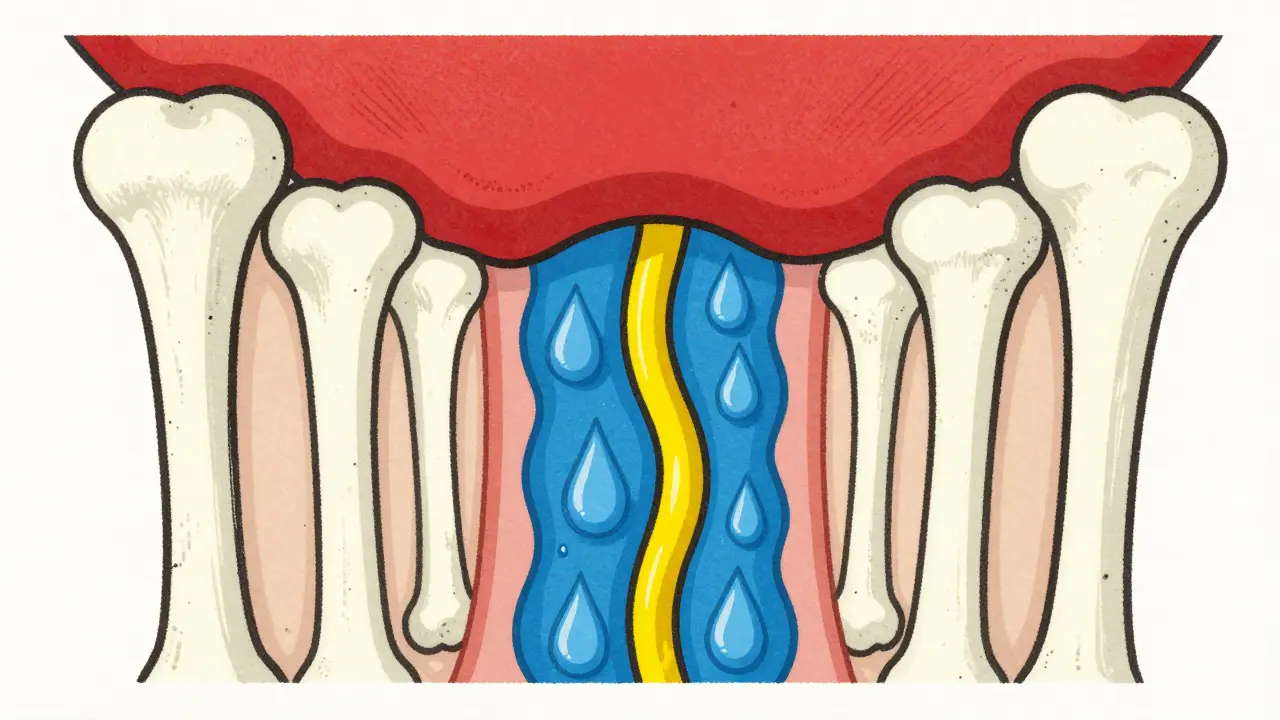
Diagnostic Tools: Beyond the Guesswork
If you visit a specialist, they won't just take your word for it; they'll use a battery of tests to see exactly where the nerve is struggling. You might experience the Phalen test, where you press the backs of your hands together for a minute to see if tingling starts, or the Tinel sign, where the doctor taps on your wrist to trigger a "shock" sensation. For a definitive answer, doctors use electrodiagnostic studies. This involves two main tests: nerve conduction studies (which measure how fast an electrical impulse travels through your wrist) and electromyography (EMG), which looks at the electrical activity of the muscles. However, these aren't foolproof. Interestingly, about 15-20% of people over 60 show abnormal results on these tests even if they have zero symptoms, which is why your clinical history matters more than a machine's reading. Recently, high-resolution ultrasound has become a game-changer. By measuring the cross-sectional area of the nerve-specifically if it's larger than 12mm² at the pisiform level-doctors can diagnose CTS with about 92% sensitivity without needing needles in the skin.Conservative Management: The First Line of Defense
If you've caught it early, you can likely avoid the operating table. The gold standard for mild to moderate cases is a wrist orthosis (a splint) worn exclusively at night. The key is positioning: your wrist should be in a neutral position (0 to 10 degrees of extension). If you bend your wrist while you sleep, you're effectively shutting the hallway door on your nerve, making the inflammation worse. Beyond splinting, you should incorporate nerve gliding exercises. These are specific movements that help the median nerve slide more smoothly through the carpal tunnel, preventing it from getting "stuck" in inflamed tissue. For those who need a jumpstart, corticosteroid injections can reduce swelling and provide relief for about 3 to 6 months for roughly 70% of patients. But remember, these are a temporary fix, not a cure. If you've had symptoms for more than a year, the success rate of these conservative methods drops significantly-from 75% down to about 35%-meaning it's much harder to reverse the damage the longer you wait.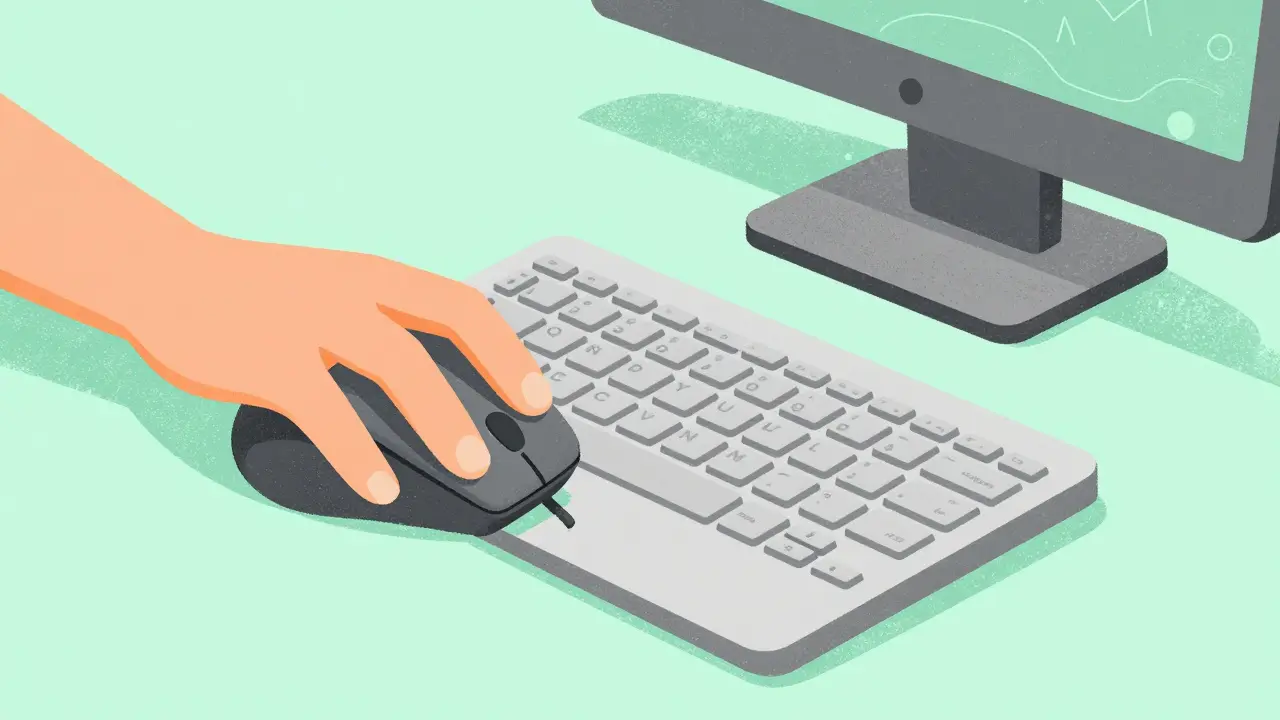
Surgical Options: When Braces Aren't Enough
When conservative care fails after 6-8 weeks, or if you've already lost muscle mass in your thumb, it's time to talk about carpal tunnel release. The goal of this surgery is simple: cut the transverse carpal ligament to open up the tunnel and give the nerve more room to breathe. There are two main ways to do this:- Open Release: The surgeon makes a traditional incision in the palm. It's the most direct method and gives the surgeon a clear view of everything, though the scar is larger.
- Endoscopic Release: This is a minimally invasive approach using a small camera. While it's slightly more expensive, it typically reduces recovery time by a few weeks because there is less trauma to the skin.
Recovery and Long-Term Prevention
Recovery from surgery isn't instant. Most people can return to a desk job in 2-3 weeks, but if your job involves heavy lifting or manual labor, you might be on modified duty for up to 12 weeks. Post-operative physical therapy is essential to regain grip strength and ensure the scar doesn't bind to the underlying tissue. To keep the symptoms from coming back, you have to change your environment. This means ergonomic tweaks: keyboards that keep your wrists flat, vertical mice that prevent forearm twisting, and taking "micro-breaks" every 30 minutes to stretch. In the EU, many companies are required to perform ergonomic assessments for high-risk jobs, but in the US, it's often up to the employee to advocate for a better workstation.Can I just use a wrist brace from a drugstore?
While over-the-counter braces can help, the most important factor is the angle. The brace must keep your wrist in a neutral position (0-10 degrees). Many generic braces are too bulky or don't provide the correct support, which can actually increase pressure in the tunnel. A custom-fitted splint from a therapist is usually more effective for long-term relief.
Is surgery always necessary if the EMG is abnormal?
No. Electrodiagnostic tests are a tool, not a mandate. About 15-20% of people over 60 have abnormal nerve conduction studies without any actual pain or dysfunction. Surgeons should only operate if the test results match your actual symptoms (clinical correlation).
How long does it take to see results from splinting?
Most patients with mild to moderate CTS see a 60-70% improvement in symptoms after 4 to 6 weeks of consistent nighttime use. If you don't see any change after 8 weeks, it's a sign that conservative management might not be enough.
Does the type of surgery (open vs endoscopic) affect the long-term outcome?
In terms of the final result-relieving the nerve compression-both are very similar. The main difference is the recovery phase. Endoscopic release generally offers a faster return to work and less initial postoperative pain, while open release is sometimes preferred for complex anatomy.
Can I reverse the damage if I've already lost muscle in my thumb?
Muscle atrophy (thenar atrophy) indicates that the nerve damage has progressed to a severe stage. While surgery can stop the progression and prevent further loss, it cannot always fully restore muscle that has already withered. This is why early diagnosis is so critical.
12 Comments
Nikki GroteApril 15, 2026 AT 18:54
Regarding the conservative approach, incorporating tendon gliding exercises is paramount to reducing the adherence of the median nerve to the surrounding synovial sheaths. If you're experiencing mild paresthesia, focusing on a sequence of hook, fist, and tabletop positions can significantly improve the excursion of the nerve. It's also worth mentioning that some patients respond well to ultrasound therapy to reduce local edema before starting a splinting regimen.
Joshua NicholsonApril 16, 2026 AT 07:00
man i just bought a cheap brace from amazon and it feels fine lol
Autumn BridwellApril 16, 2026 AT 13:00
OMG I literally had this last year and it was the most terrifying experience of my entire life! I couldn't even hold my baby's bottle without feeling like electricity was shooting through my arm! I remember screaming at my husband because he didn't realize how bad it was getting until I actually started dropping things everywhere! It was just absolute chaos in our house for months!
Anmol GargApril 17, 2026 AT 12:09
It's interesting how our bodies signal distress through such specific physical sensations. Many of us ignore these early warnings because we're so caught up in the hustle of work and productivity, forgetting that our physical vessel needs maintenance too. Taking a moment to actually listen to the tingling in your wrist is a form of mindfulness that can save you from a surgical procedure later on.
Randall BarkerApril 17, 2026 AT 18:54
The fact that people in the US have to 'advocate' for a decent workstation is a systemic failure and frankly a disgrace to any civilized society. We prioritize profit over the basic biological needs of the worker and then act surprised when the workforce is crippled by preventable injuries. It is a moral bankruptcy that allows a corporation to ignore ergonomic standards while the employees suffer in silence just to keep their insurance.
Cheryl CApril 18, 2026 AT 14:11
USA best healthcare anyway 🇺🇸💪 those drugstore braces r totally fine for most people just keep it snuggg !!
ira fitrianiApril 19, 2026 AT 06:41
Yes!! You guys can totally beat this! Just stay consistent with those stretches and you will see a massive difference in your grip strength! 🌟 Keep pushing forward and don't let the numbness win! You've got this!! ✨💪
Richard MooreApril 20, 2026 AT 06:27
I totally agree with the point about high-resolution ultrasound being a game-changer. It's way less invasive than the needle tests and gives a much clearer picture of the actual nerve morphology. 📈 It's great to see the diagnostic process evolving to be more patient-friendly! 👍
Rob SchlautmanApril 21, 2026 AT 11:13
i dont see why everyone is freaking out about a little wrist pain because if you actually look at the data you realize that a lot of these symptoms are just a byproduct of a sedentary lifestyle and the obsession with tiny screens which is honestly just a joke when you think about how we used to actually use our hands for things that mattered in the real world instead of clicking a mouse for ten hours a day without a single break
Ben FergusonApril 22, 2026 AT 18:48
Oh, the sheer tragedy of losing the dexterity of one's own hands is a sorrow that words can barely capture, for the hand is the primary tool of our creation and connection to the world! I remember a colleague of mine who waited far too long to seek help, and the slow realization that his thumb would never again possess the strength to firmly grip a paintbrush was a heartbreak that echoed through our entire studio for years to come!
Bonnie PiersallApril 24, 2026 AT 18:31
Listen up, if you're feeling that fire in your wrists, don't just sit there and take it. Get yourself a proper splint and stop sleeping like a pretzel! It's a total game-changer and you'll be back to crushing it in no time. Just be a bit more proactive with your health before you end up as a statistic in a surgery ward.
Rock StoneApril 25, 2026 AT 09:07
Everyone just take a deep breath and remember that these things are manageable! If you're struggling, just start with one small stretch today. It's all about those tiny wins that lead to a big recovery. Let's all support each other in getting those wrists healthy again! ✌️